
With Latest Rollback, the U.S. Essentially Has No Clean‑Car Rules
Formal / News Style Trump administration rescinds federal emissions authority, leaving U.S. without nationwide clean-car standards EPA revokes endangerment finding, undermining decades of vehicle pollution regulation 🔹 Neutral & Informative Federal rollback removes legal basis for limiting tailpipe emissions across the country Clean-car rules disappear as states and automakers navigate regulatory uncertainty 🔹 Impactful Without federal guidance, U.S. faces a future of unregulated vehicle emissions

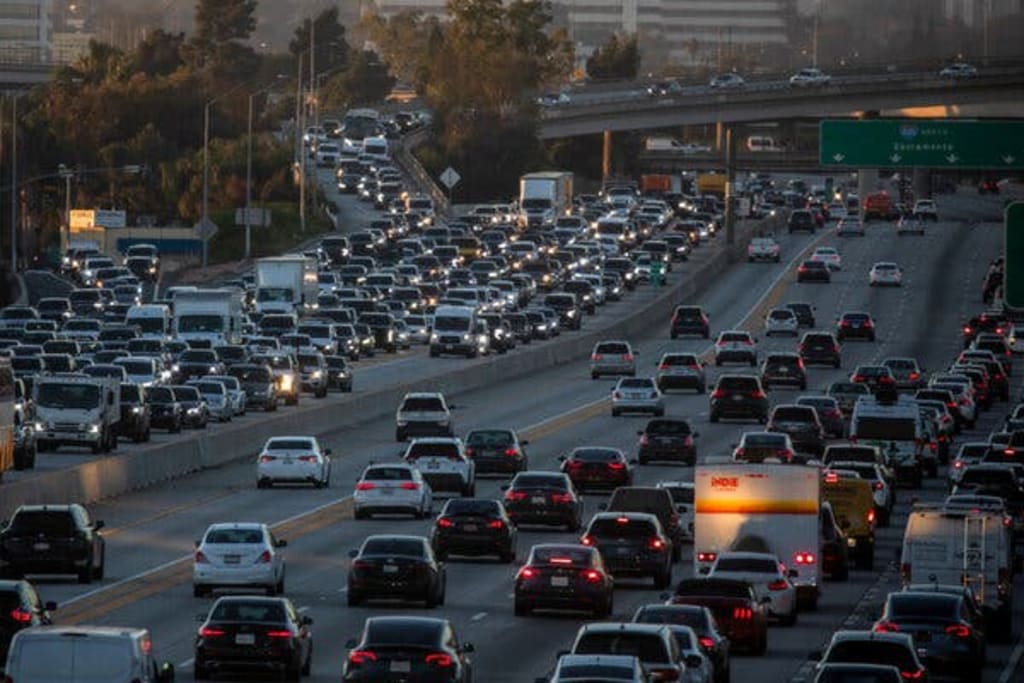
The United States has effectively dismantled its federal clean‑car framework after the Environmental Protection Agency (EPA) under President Donald Trump rescinded a foundational climate science finding that provided the legal basis for regulating vehicle emissions and other greenhouse gases. The move, described by critics as the most sweeping climate policy rollback in U.S. history, removes federal limits on tailpipe emissions and leaves the nation without core nationwide standards designed to reduce vehicle pollution and promote cleaner cars.
The End of a Legal Foundation
At the center of the rollback is the EPA’s February 12 decision to revoke the 2009 “endangerment finding” — a scientific judgment that concluded greenhouse gases, such as carbon dioxide and methane, pose a danger to public health and welfare. That finding gave the agency authority under the Environmental Protection Agency and the Clean Air Act to regulate emissions from vehicles, industrial polluters, and power plants.
With that basis gone, federal rules that once required automakers to limit greenhouse gas emissions and increase fuel efficiency have been rolled back or canceled. The repeal effectively removes emissions targets for cars and trucks that were supposed to apply through the late 2020s, and opens the door for manufacturers to prioritize traditional internal combustion vehicles over cleaner alternatives such as hybrids and electric vehicles (EVs).
Administration officials argue the rollback reduces regulatory costs for the auto industry and consumers. Trump and EPA Administrator Lee Zeldin have said the shift will cut economic burdens by trillions of dollars while restoring “common sense” to climate policy. They also claim it supports affordability and consumer choice in the vehicle market.
What’s Lost in Regulation
Under the previous regulatory regime, clean‑car standards were expected to deliver significant public health and environmental benefits. According to EPA analysis under earlier administrations, stricter vehicle emission limits could have prevented billions of tons of carbon dioxide emissions over several decades and reduced pollutants linked to respiratory diseases, heart conditions, and premature deaths.
The Associated Press
With federal standards effectively gone, critics warn that:
Tailpipe pollution could increase as automakers face less pressure to improve fuel efficiency.
States with stricter standards, such as California, may be challenged legally or pushed to adjust their programs.
Long‑term incentives for EV adoption and low‑emission technology could weaken.
Public health outcomes could worsen, especially in communities already burdened by poor air quality.
Environmental and health advocates have framed the turnabout as a direct assault on clean‑air progress and climate action. The American Lung Association, among others, had previously emphasized that cleaner cars standards not only reduce carbon pollution but also slash substances that trigger asthma, heart disease, and other health issues.
States, the Auto Industry, and Legal Conflicts
With federal oversight diminished, individual states may attempt to fill the void. In the past, several states — led by California — adopted stricter vehicle emissions standards than the federal baseline, a provision allowed under the Clean Air Act. Whether these state programs can withstand legal and political pressure remains a key question.
Automakers themselves have offered mixed reactions. Industry groups generally support regulatory relief but worry that uncertainty could stifle long‑term investment in new technologies. Some companies had already committed billions to electrification and advanced efficiency improvements, betting on a cleaner‑vehicle future before the rollback.
Legal battles are expected to follow. Environmental lawyers argue that the EPA lacks statutory authority to erase the endangerment finding and suspend emissions regulation without congressional action. Prior Supreme Court rulings, notably Massachusetts v. EPA, upheld the agency’s ability to treat greenhouse gases as pollutants under the Clean Air Act — a precedent now directly challenged.
Broader Impacts and the Path Ahead
Without federal clean‑car rules, the U.S. joins a shrinking group of industrialized countries with minimal centralized emissions standards. Critics say this shift could slow national progress toward combating climate change, ceding technological leadership in clean transportation to other countries while raising both health and environmental costs.
Supporters, by contrast, frame the rollback as economic deregulation that empowers consumers and reduces compliance burdens on businesses. They argue that market forces, rather than federal mandates, should drive vehicle innovation.
As the legal challenges continue and states consider their own strategies, the absence of federal clean‑car rules will be felt across policy, industry, and everyday life — from vehicle prices at dealerships to the air millions of Americans breathe.
About the Creator
Fiaz Ahmed
I am Fiaz Ahmed. I am a passionate writer. I love covering trending topics and breaking news. With a sharp eye for what’s happening around the world, and crafts timely and engaging stories that keep readers informed and updated.
Keep reading
More stories from Fiaz Ahmed and writers in The Swamp and other communities.
PTI Leader Latif Khosa Writes to CJP, Raises Concerns Over Imran’s Medical Check-Up at Adiala Jail in ‘Secrecy’
Senior Pakistan Tehreek-e-Insaf (PTI) leader Latif Khosa has written a formal letter to the Supreme Court of Pakistan, urging immediate judicial intervention over what he described as a “secretive and non-transparent” medical examination of former prime minister Imran Khan at Adiala Jail. In his letter addressed to the Chief Justice of Pakistan, Khosa alleged that Khan’s recent medical check-up was conducted without informing his legal team or family members and without following standard legal and medical protocols. The PTI leader claimed that this secrecy has raised serious concerns about Khan’s health, safety, and constitutional rights while in custody. Concerns Over Transparency Khosa stated that the medical examination was carried out under “unusual circumstances,” with restricted access to independent doctors and no official medical report shared with Khan’s lawyers. According to the letter, this violated basic principles of transparency and due process guaranteed under Pakistan’s Constitution and international human rights conventions. “Such secrecy creates doubt and anxiety regarding the true state of Mr. Khan’s health,” Khosa wrote, emphasizing that a former prime minister and political leader must not be deprived of proper and transparent medical care. He urged the court to ensure that future medical assessments be conducted in the presence of independent physicians and legal representatives. Health Issues and Previous Warnings Imran Khan, who has been in custody in multiple cases, has previously complained of deteriorating health conditions, including vision problems and chronic pain. PTI officials have repeatedly warned that his confinement conditions could worsen his medical state if not monitored properly. Party leaders have also accused jail authorities of denying him access to personal physicians and adequate medical facilities. While prison officials have denied these claims, asserting that Khan is receiving routine care under jail regulations, PTI leaders argue that the lack of documentation and public reporting undermines those assurances. Legal and Political Dimensions The issue has quickly taken on political significance, with PTI framing the situation as part of a broader pattern of pressure on its leadership. Khosa’s letter highlights what he called a “systematic effort to isolate Imran Khan” by restricting communication, visitation rights, and now medical transparency. Legal experts say the matter could prompt the Supreme Court to seek a detailed report from jail authorities and health officials. In past cases involving high-profile detainees, the court has intervened to ensure independent medical boards were formed and periodic health reports submitted. Khosa requested that the Chief Justice order the constitution of a neutral medical board comprising senior doctors from government hospitals, with authority to conduct a comprehensive health assessment of Khan and submit findings directly to the court. Reaction from PTI Leadership PTI leaders rallied behind Khosa’s move, calling it a necessary step to safeguard Khan’s well-being. Several party figures said the secrecy surrounding the medical check-up had alarmed supporters and family members alike. A senior PTI spokesperson said the party was not seeking preferential treatment but only equal rights under the law. “Every prisoner has the right to transparent medical care. Imran Khan is no exception,” the spokesperson said, adding that the party would continue to pursue legal remedies if concerns were not addressed. Government and Jail Authorities’ Position Officials from Adiala Jail have maintained that Khan is receiving medical attention according to prison rules and that no extraordinary measures were taken. They argue that medical procedures inside high-security prisons often involve limited disclosure due to security considerations. Government representatives have also rejected claims of mistreatment, stating that opposition leaders are politicizing a routine health check-up. However, they have not publicly released detailed medical findings, citing privacy and security concerns. Broader Implications The controversy highlights ongoing tensions between the PTI and state institutions, especially the judiciary and prison authorities. Analysts believe the case could further polarize the political environment, as supporters interpret the issue as symbolic of larger questions about rule of law and human rights. Human rights advocates have called for full transparency in the treatment of political detainees, warning that secrecy in medical matters can erode public trust in institutions. What Comes Next The Supreme Court is expected to review Khosa’s letter and decide whether to seek an official response from jail authorities or order an independent medical evaluation. If taken up, the case could set a precedent for how health concerns of high-profile prisoners are handled in Pakistan. For now, the issue remains a focal point for PTI’s legal and political campaign, with party leaders insisting that only judicial oversight can guarantee Imran Khan’s safety and constitutional rights while he remains in custody.
By Fiaz Ahmed a day ago in The Swamp
Why Black History Matters in America?
The United States of America is celebrating their 250th anniversary in 2026. I'm proud to be an American and as someone who was born here, I wouldn't imagine myself living anywhere else. This is a country where opportunities are possible. Where anyone can be successful in anything they desire to do. Equality, community, and togetherness are the backbones of what America is and should be about. However, we have an administration who wants to erase and disregard those who have made positive, meaningful impacts in our country, specifically Black figures, such as Martin Luther King, Jr., Rosa Parks, and Maya Angelou. President Trump and his administration have been constantly complaining and fighting against what they call the "Woke agenda". They use this excuse as a distraction from other issues they refuse to address, such as the high cost of living, climate change, and inflation. That equality is dividing America, when in reality, it's bringing us together. Being woke is not tied to a specific political party. No matter where you stand on the political spectrum, you can still care about other people and their plights. Compassion and empathy for others isn't tied to a political party, either. We were taught as children to treat others the way we want to be treated and not judge others because they're different from us. Caring about others isn't a personal attack on your beliefs. It doesn't make you any less of a person. People who are easily offended over African American figures, past or present, or anything related to it, are grasping at straws. Current and future generations need to know who people like Harriet Tubman and Shirley Chisholm were, especially in the classroom. Black History is part of American History. It should be recognized, not hidden or forgotten. Besides, you can't shield children from everything, just because your feelings are easily hurt.
By Mark Wesley Pritchard 16 days ago in The Swamp
A piece on Palantir and it's dangers
In the current political landscape of the United States, you may have heard the name “Palantir” brought up in conversation at some point. Palantir, a data analytics company, has been the target of much scrutiny and debate over its anti-crime and anti-terrorism advantages, as well as severe privacy concerns and fears of mass surveillance. This is the reason why Palantir is a very important topic in the area of Homeland Security. First, to truly understand the importance and dangers of Palantir, the background of the company must be understood.
By Alexander Goodrichabout 8 hours ago in The Swamp
Draft Deleting? Don't Do It!
Today, I had a little time. I decided that I would have a look at the drafts that I have on Vocal. This is part of a long-term wish to have everything I've written on paper rather than virtually. I've not looked at them for weeks and something drew me to them, just to browse and see what was there.
By Rachel Deeming2 days ago in Writers



Comments
There are no comments for this story
Be the first to respond and start the conversation.