
Cosmetics Market: Trends, Innovation, and Global Growth
The global cosmetics market continues to evolve as consumers prioritize personalization, clean beauty, and digital-first shopping experiences.

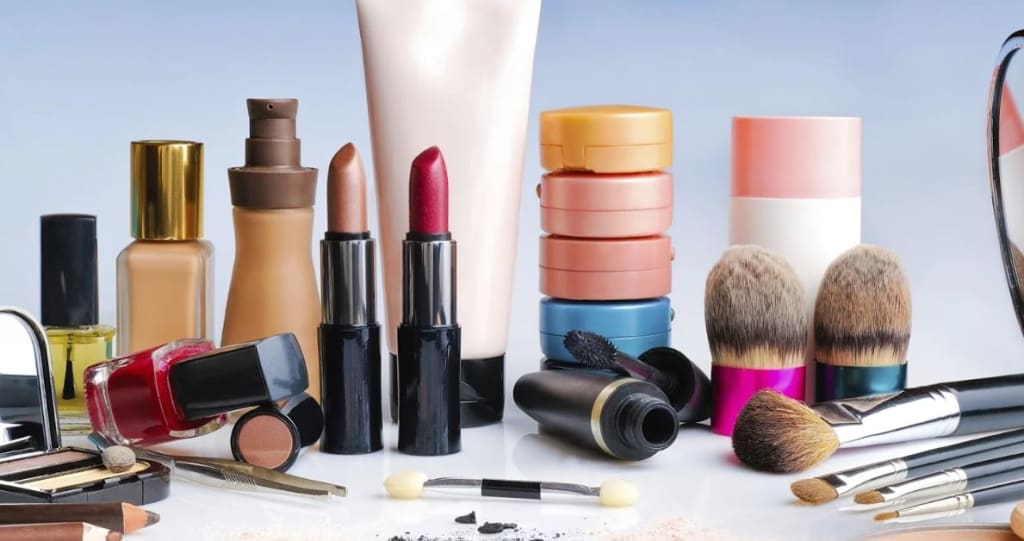
Cosmetics Market Overview
The global cosmetics market encompasses a wide range of beauty and personal care products — from skincare and makeup to haircare and fragrances. It remains one of the most dynamic segments of the consumer goods industry, driven by evolving consumer preferences, rising disposable incomes, and digital retail expansion. Cosmetics have shifted beyond simple beauty enhancement to become part of daily routines and self-expression worldwide.
Request a Sample PDF Report "Cosmetics Market"
Market Growth and Trends
The cosmetics market continues to expand robustly, with various reports forecasting strong growth through the next decade. For example, some analyses project that the global market could grow from hundreds of billions today to between cosmetics market size to reach USD 629.7 Billion by 2034, exhibiting a CAGR of 4.6% during 2026-2034.
Key trends shaping the industry include:
Sustainable & clean beauty: Consumers increasingly demand environmentally friendly, cruelty-free, and transparent products, influencing formulation and packaging strategies.
Digital and e-commerce dominance: Online sales continue to reshape distribution, with AR try-on tools and AI-led personalization enhancing remote shopping experiences.
Hybrid beauty products: Makeup with skincare benefits (e.g., tinted serums) and personalized regimens are gaining traction.
Influence of social media: Platforms like TikTok and Instagram accelerate trend cycles and new product awareness.
Recent cultural and stylistic trends also influence product demand — bold makeup looks and advanced skincare approaches focused on cellular health are emerging as standout movements in 2026.
Future Outlook
Industry projections suggest that the cosmetics market will remain resilient and innovative through the coming decade. Growth is expected to be supported by continued interest in self-care, wellness-driven beauty solutions, and technological integration like AI diagnostics and virtual try-on tools. Sustainability and ethical production will also remain key differentiators for brands seeking long-term consumer loyalty.
Markets are anticipated to expand across core segments — skincare, color cosmetics, haircare, and fragrances — even as new categories like beauty supplements and tech-enabled beauty devices gain traction.
Key Regional Insights
Asia-Pacific: A dominant force in the cosmetics market, driven by large populations, rapid urbanization, and strong consumer spending on beauty products.
North America: Strong demand for premium skincare and color cosmetics, supported by high e-commerce adoption and innovation.
Europe: A focus on sustainability, quality standards, and luxury brands fuels steady growth.
Middle East & Africa: Growing interest in luxury fragrances and halal-certified beauty products contributes to niche expansion.
Segmentation
The cosmetics market is typically segmented by:
Product Type:
- Skincare – often the largest segment due to daily usage and anti-aging focus.
- Makeup & color cosmetics – trending with bold expression and hybrid formulas.
- Hair care – benefiting from increasing grooming habits.
- Fragrances & others – driven by lifestyle and premium consumption.
Distribution Channel:
Offline retail — including supermarkets, specialty stores, and salons.
Online & direct-to-consumer — fast-growing via digital platforms, enhanced by AR/AI tools.
Demographic:
Female consumers historically drive the bulk of demand, though men’s grooming products are capturing rising interest.
Recent News Highlights
Major player L’Oréal announced the acquisition of a majority stake in the British skincare brand Medik8, underscoring industry consolidation and the strategic emphasis on premium, science-backed skincare segments.
L’Oréal also expanded its luxury beauty footprint by acquiring brands and long-term licenses from Kering, signaling competitive repositioning in high-end cosmetics and fragrances.
2026 beauty trends point to a resurgence of bold, expressive makeup and scientifically driven skincare, reflecting changing consumer tastes beyond minimalist looks.
K-beauty — once a global sensation — is enjoying a fresh resurgence through social media influence and renewed global distribution growth.
FAQs
Q: What products are included in the cosmetics market?
A: The cosmetics market includes skincare, makeup, hair care, fragrances, and related personal care products used for beautification and grooming.
Q: Which region leads the global cosmetics industry?
A: Asia-Pacific holds a leading share, driven by large populations and rapid adoption of both premium and everyday beauty products.
Q: What are the key trends in the cosmetics market?
A: Sustainability, digital shopping experiences, hybrid beauty products, and personalized formulations are shaping current and future market trends.
Q: How is technology influencing cosmetics?
A: AI and AR are enhancing personalized product recommendations and virtual try-on experiences, while digital platforms drive online growth.
Q: What is driving future cosmetic growth?
A: Rising consumer focus on self-care, wellness, and environmental values — coupled with innovation and expanding global distribution — is expected to support long-term market expansion.
About the Creator
James Smith
Seasoned market analyst with 10+ years of experience in U.S. economic trends and stock market insights.
Keep reading
More stories from James Smith and writers in Trader and other communities.
Mezcal Market: Trends, Growth, and Future Outlook
The global Mezcal market is experiencing strong growth as consumers increasingly seek premium, artisanal spirits with unique flavor profiles and cultural authenticity. Fueled by rising disposable incomes, expanding cocktail culture, and a growing appreciation for craft beverages, mezcal is transitioning from a niche traditional spirit to a globally recognized product. Projections show significant market expansion over the next decade across key regions, driven by both established and emerging consumer bases.
By James Smith5 days ago in Trader
Silver Sprints Ahead… Then Hits a Wall: Why Metals Really Lost Momentum
The first weeks of 2026 delivered a dramatic spectacle for commodity markets. Silver surged at a pace few expected, outshining gold and drawing intense investor attention. Then, almost as suddenly, momentum stalled. Prices tumbled, speculative positions were liquidated, and traders scrambled to understand what went wrong.
By Sajida Sikandarabout 6 hours ago in Trader


Comments
There are no comments for this story
Be the first to respond and start the conversation.