
Crypto Day Trading Guide for Beginners (2026)
The crypto market offers some of the most exciting opportunities for active traders. High volatility, strong liquidity, and a wide range of tradable cryptocurrencies make it especially attractive for day traders.

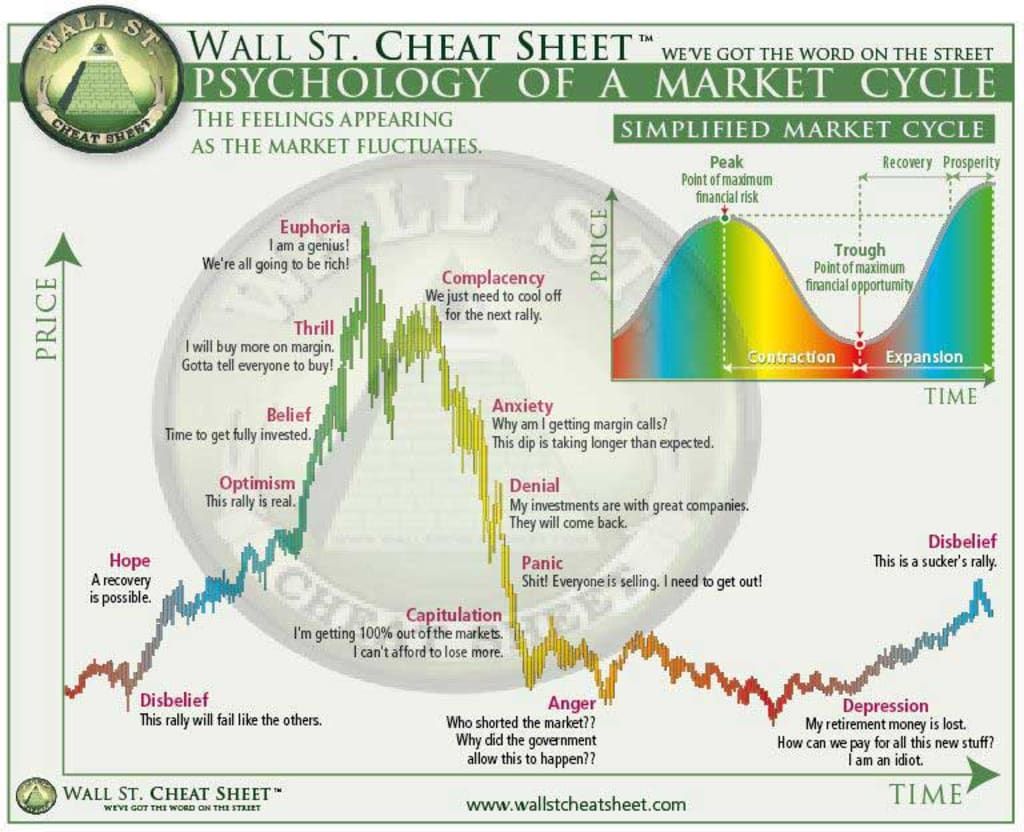
The crypto market offers some of the most exciting opportunities for active traders. High volatility, strong liquidity, and a wide range of tradable cryptocurrencies make it especially attractive for day traders.
If you’re planning to start your crypto day trading journey, this guide will walk you through the basics, popular strategies, key risks, and practical tips to help you trade smarter not harder.
What Is Crypto Day Trading?
Crypto day trading involves buying and selling cryptocurrencies within the same day to profit from short-term price movements. Positions are not held overnight, which helps traders avoid unexpected market news and overnight risk.
Because cryptocurrency prices can move sharply within minutes or hours, day traders can potentially lock in profits quickly. However, this same volatility also increases risk, making crypto day trading an advanced trading approach.
Day trading is not suitable for everyone. It requires:
Strong understanding of market behavior
Technical analysis skills
Discipline and fast decision-making
Solid risk management
Not all cryptocurrencies are ideal for day trading. Assets with high volume and liquidity tend to work best. Popular choices often include Bitcoin, Ethereum, Solana, and Ripple due to their consistent activity and tighter spreads.
Day Trading vs Swing Trading in Crypto
Many beginners struggle to choose between day trading and swing trading. While both aim to profit from price movements, they differ significantly in time commitment and risk.
Day Trading
Trades are opened and closed within the same day
Focuses on short-term price fluctuations
Requires constant chart monitoring
No overnight risk
Swing Trading
Trades are held for days or weeks
Focuses on larger market trends
Less screen time required
Exposed to overnight and weekend risk
Key Differences at a Glance
Time horizon: Intraday vs multi-day
Trade frequency: High vs low
Risk exposure: No overnight risk vs overnight exposure
Strategy style: Scalping and momentum vs trend following
Choosing the right style depends on your schedule, risk tolerance, and personality.
Popular Crypto Day Trading Strategies
There’s no single “best” strategy. Traders choose methods based on experience, capital, and risk appetite.
Scalping
Scalping focuses on very small price movements. Traders may execute dozens of trades per day, holding positions for seconds or minutes. This strategy often relies on automation and fast execution.
One-Trade-a-Day Strategy
Ideal for beginners. Traders place one carefully planned one trade per day, aiming for a fixed profit target with controlled risk.
Momentum Trading
This strategy follows market strength. Traders buy during strong uptrends and sell during downtrends, riding short-term momentum.
Breakout Trading
Traders enter positions when price breaks above or below key levels such as support, resistance, or chart patterns.
Arbitrage Trading
Arbitrage takes advantage of price differences across exchanges. Traders buy crypto on one platform at a lower price and sell it on another at a higher price.
Practical Tips for Beginner Crypto Day Traders
Crypto day trading can be profitable but mistakes can be costly. These tips can help reduce unnecessary losses.
Use Adequate Capital
Day trading requires sufficient capital to manage volatility, especially when leverage is involved. Trade only with money you can afford to risk, and never use your entire balance in a single trade.
Choose the Right Trading Platform
Not all platforms are suitable for day trading. Look for:
Fast execution
Tight spreads
Multiple order types
Risk management tools
Platforms like Beirman Capital allow traders to test strategies using a demo account before committing real funds.
Follow Strict Risk Management
Always use stop-loss orders. Maintain a clear risk-to-reward ratio and avoid risking too much on any single trade. Diversifying across assets can also help reduce risk.
Avoid Overtrading
More trades do not guarantee more profit. Focus on high-quality setups, not constant activity.
Improve Time Management
Crypto day trading requires quick execution. Delays in decision-making can reduce profitability, especially in fast-moving markets.
Using Funding Rates as a Market Signal
In perpetual futures trading, funding rates indicate market sentiment.
High positive funding rates suggest too many traders are long
Extremely high funding often precedes pullbacks
Neutral or normalized funding can signal healthier market conditions
Funding rates work best as a filter, helping traders avoid overcrowded trades rather than predicting exact price movements.
Best and Worst Times to Trade Crypto
Market activity changes throughout the day.
Best Trading Window (Kill Zone): 1:00 PM – 4:00 PM UTC
This period overlaps the London and New York sessions and often delivers the highest liquidity and volatility.
Worst Trading Window (Zombie Zone): 9:00 PM – 11:00 PM UTC
Low volume and false breakouts are common during this time.
Asia Session Wildcard: 12:00 AM – 2:00 AM UTC
This session can be unpredictable, especially for region-specific coins, and suits experienced traders.
CEX vs DEX: Which Is Better for Beginners?
When trading crypto, you’ll choose between centralized and decentralized exchanges.
Centralized Exchanges (CEX)
Platforms like Binance and Bybit are company-operated.
Easy to use
High liquidity
Fast execution
Account verification required
Decentralized Exchanges (DEX)
Platforms such as Uniswap and Raydium allow wallet-to-wallet trading.
Greater privacy
Access to new tokens
Higher learning curve
Smart-contract risks
Most beginners start with CEX platforms due to simplicity and reliability.
A Reality Check Before You Start
Crypto day trading is not guaranteed income. Losses are common, especially for new traders who overtrade or ignore risk management.
Success comes from:
Small position sizes
Limited daily trades
Accepting losses calmly
Consistent discipline
If you can’t monitor markets actively, swing trading or long-term investing may be better alternatives.
Conclusion
Crypto day trading offers exciting opportunities—but it’s demanding and risky. It requires market knowledge, emotional control, and reliable execution.
New traders should begin with education and demo accounts before risking real capital. Choosing a platform with low spreads, fast execution, and proper risk tools makes a significant difference in long-term results.
With realistic expectations, solid preparation, and disciplined risk management, traders can approach crypto day trading more confidently and responsibly.
Frequently Asked Questions (FAQ)
What is crypto day trading?
Buying and selling cryptocurrencies within the same day to profit from short-term price movements.
Is crypto day trading risky?
Yes. High volatility increases both profit potential and losses.
Which cryptocurrencies are best for day trading?
Highly liquid coins with strong volume are generally preferred.
Is day trading gambling?
No—but trading without a plan or risk management can make it feel like gambling.
About the Creator
Beirman Capital
Professional Broker For Professionals
The Best Partner You Can Trust in Investment Execution
1. Competitive Spreads
2. Trading Instrument
3. Fast Order Execution
Keep reading
More stories from Beirman Capital and writers in Trader and other communities.
Why Most Forex Traders Lose Money & How Smart Practice Methods Are Transforming Learning in 2026
Forex trading remains one of the largest financial markets in the world, with daily turnover estimated at around $9.6 trillion in 2025, up from roughly $7.5 trillion in 2022.
By Beirman Capitalabout a month ago in Trader
The Angry Man in Your House
"If you grow up with an angry man in your house, there will always be an angry man in your house" This statement has caused plenty of controversy online, people say its a statement that blames victims while also undermining those who break traumatic cycles to form health relationships... but if I'm honest now that I'm in my 30s it makes more sense to me than ever, and I'd argue that its not just about fathers and uncles.
By S. A. Crawforda day ago in Humans




Comments
There are no comments for this story
Be the first to respond and start the conversation.