
Fitness App Market: How Digital Workouts Are Transforming the Global Wellness Industry
The fitness app market has evolved into one of the most dynamic segments of the digital health ecosystem. Driven by rising health consciousness.

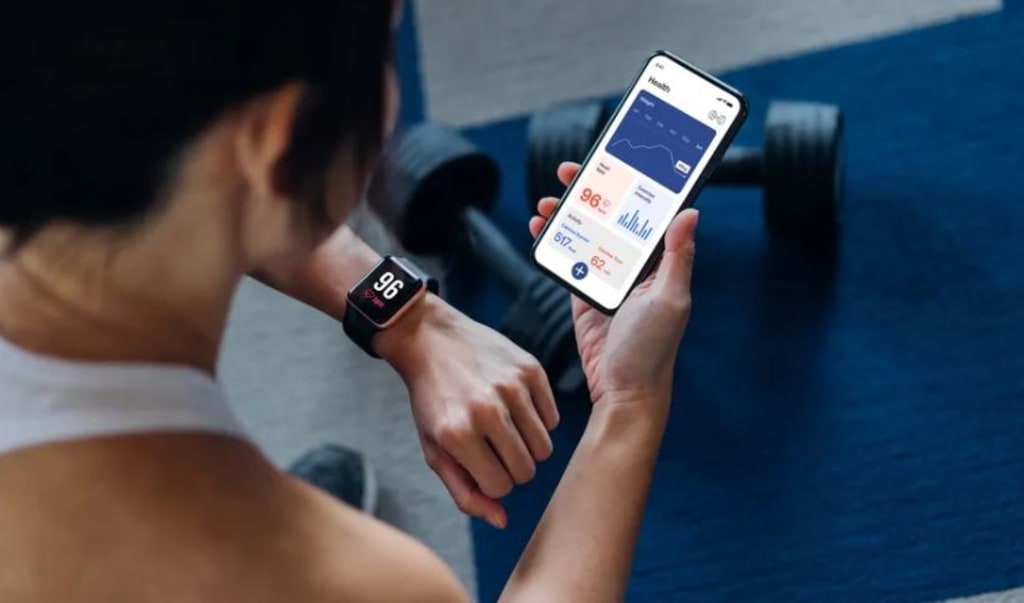
Fitness App Market Overview
The Fitness App Market refers to mobile and digital applications designed to support physical fitness, health tracking, workout planning, nutrition management, and overall wellness for consumers globally. These apps range from basic activity trackers to full-featured platforms offering AI-driven coaching, wearable integrations, virtual classes, and social community features.
The market has expanded rapidly as consumers increasingly prioritize health, preventative wellness, and digital fitness alternatives over traditional in-person solutions. Smartphones and connected devices have made these platforms highly accessible across demographic groups.
Downloads of fitness and health-related apps have surged, reflecting strong global user interest in personalized fitness experiences on mobile devices.
Download a Sample PDF Report "Fitness App Market"
Market Size & Growth Projections:
Estimates vary, but many projections show strong long-term growth:
The global fitness app market sizeto reach USD 20.1 Billion by 2034, exhibiting a CAGR of 21.38% during 2026-2034.
Some sources project even higher figures under optimistic adoption scenarios.
Industry Trends and Growth Drivers
a. AI & Personalization
Artificial Intelligence and Machine Learning are reshaping the user experience by offering:
Personalized workout plans,
Real-time adaptive coaching,
Predictive health recommendations,
Smart nutrition guidance.
Apps using AI are improving retention and engagement by tailoring content to user behavior and goals.
b. Wearable Integration
Integration with wearables (smartwatches, fitness bands, heart-rate monitors) has become a standard trend:
This enables real-time biometric tracking (e.g., steps, heart rate, calories) and creates a seamless fitness ecosystem.
c. Virtual & On-Demand Fitness
Demand for virtual workout classes, livestream coaching, and on-demand routines surged after the pandemic and remains strong as “hybrid fitness” models become mainstream.
d. Holistic Health & Wellness Integration
More apps are expanding beyond physical workouts to include:
Mental wellbeing modules (meditation, stress tracking),
Sleep and recovery features,
Nutrition and diet planning tools.
e. Corporate Wellness Programs
Companies increasingly offer fitness app subscriptions or incentives as part of employee wellness benefits, widening adoption beyond individual consumers.
3. Emerging Challenges
Despite strong growth, the market faces several notable challenges:
🔸 a. Market Saturation & Competition
The category is highly crowded, with hundreds of thousands of fitness and wellness apps competing for attention. This makes user acquisition and retention increasingly difficult.
🔸 b. Data Privacy and Security Concerns
Users often express concern about sharing sensitive health data, which can limit adoption. Developers must address privacy risks and transparent data policies to maintain trust.
🔸 c. Regulatory Complexity
There is no unified global standard for health claims and data protection rules, which complicates international expansion for app developers.
🔸 d. Digital Divide
Accessibility issues (internet connectivity, device affordability) in low-income or rural areas restrict participation in digital fitness.
🔸 e. Retention & Engagement
Many users discontinue use within months of installation due to lack of motivation, limited perceived value, or overwhelming feature design.
4. Future Outlook
🚀 Expansion Horizons
The Fitness App Market is expected to continue expanding across multiple dimensions:
Emerging markets (Asia Pacific, Latin America) are among the fastest-growing regional segments due to rising smartphone usage and health awareness.
Corporate and healthcare partnerships may deepen as insurers and health systems seek preventive care solutions that reduce costs and improve outcomes.
Immersive experiences — such as XR (augmented/virtual reality) workouts — could introduce new engagement paradigms.
🤝 Integration with Ecosystem Players
Fitness platforms are likely to integrate more tightly with:
Wearables,
Telehealth providers,
Smart home fitness systems (e.g., seamless interaction between app and exercise hardware).
📱 Technology Evolution
As AI continues to evolve, future apps are expected to deliver:
Automated health predictions based on long-term biometric trends.
📊 Sustainability & Monetization
Developers may explore diversified revenue models beyond subscriptions (e.g., in-app commerce, community-based rewards, corporate licensing), addressing challenges like subscription fatigue.
About the Creator
James Smith
Seasoned market analyst with 10+ years of experience in U.S. economic trends and stock market insights.
Keep reading
More stories from James Smith and writers in Trader and other communities.
Laundry Detergent Market: Innovation, Sustainability, and the Future of Fabric Care
Laundry Detergent Market Overview Laundry detergents are cleaning agents specifically formulated to remove dirt, stains, and odors from fabrics. They are available in various formats including powder, liquid, gel, pods, and sheets. Each format caters to specific consumer preferences and washing machine technologies.
By James Smitha day ago in Trader
Taiwan Advertising Market Size, Share, Industry Trends, Growth Factors and Forecast to 2033
Why Taiwan Advertising Market Is Transforming: Digital Growth, Media Trends & Market Forecast Market Overview The Taiwan advertising market has experienced substantial transformation over the past decade, driven by rapid digital adoption, widespread internet penetration, and changing consumer media habits. Taiwan ranks among Asia’s most digitally connected economies, with high smartphone usage and active social media participation shaping modern advertising strategies.
By Jackson Watsona day ago in Trader
XRP Price Structure, Legal Impact, and Long-Term Investment Perspective
Introduction XRP has remained one of the most debated cryptocurrencies in the market, largely because of its strong focus on real-world financial use cases and ongoing regulatory discussions. Unlike many crypto assets built primarily for decentralized applications or speculation, XRP targets the global payments and remittance sector. From an investment point of view, XRP behaves differently compared to most large-cap cryptocurrencies, as its price trend is often influenced by legal developments and institutional adoption rather than pure market hype.
By Hammad Nawaz5 days ago in Trader




Comments
There are no comments for this story
Be the first to respond and start the conversation.