
How Digital Signage for Casinos Keeps Floors Active, Informed, and Organized
Digital signage for casinos

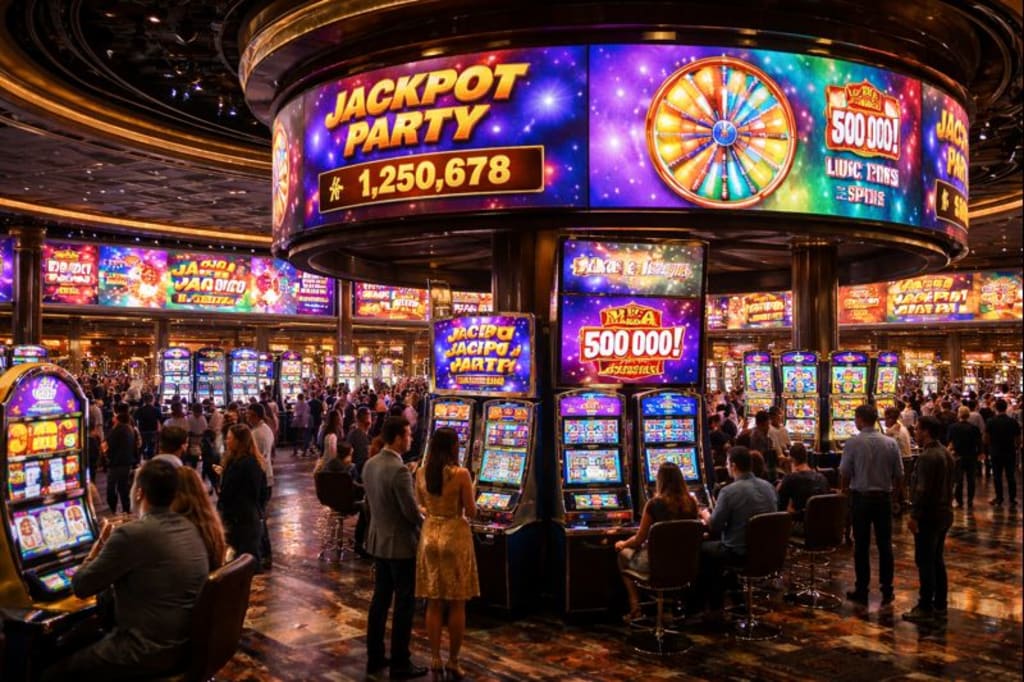
Casinos operate in one of the most dynamic physical environments in the world. Guests move constantly between gaming floors, restaurants, shows, hotels, and amenities. Promotions rotate hourly. Events change daily. In this setting, static signage struggles to keep pace with real-time activity.
Digital signage for casinos is increasingly used as an operational communication layer that helps manage information flow, guest movement, and promotion timing across large, high-traffic spaces.
1. Supporting Guest Flow Across Large Casino Floors
Casino layouts are intentionally complex. Guests are encouraged to explore, but confusion disrupts experience. Digital signage in casinos helps guide movement subtly without breaking immersion.
Screens placed at key junctions display directions, venue information, and floor maps, helping guests navigate without stopping staff or interrupting play.
2. Managing Promotions That Change Throughout the Day
Casino promotions are rarely static. Slot tournaments, table incentives, loyalty offers, and limited-time events rotate frequently.
Digital signage for casinos allows promotions to update instantly across all screens. This ensures offers stay accurate and aligned with internal schedules, without relying on printed posters that quickly become outdated.
3. Keeping Entertainment Schedules Visible and Current
Shows, performances, and events are central to casino experiences. Digital signage systems are used to display showtimes, venue locations, and upcoming entertainment throughout the property.
When schedules change, updates can be applied centrally, keeping guests informed without repeated announcements or manual replacements.
4. Reducing Visual Clutter While Maintaining Energy
Casino environments must balance stimulation with clarity. Too much visual noise overwhelms guests; too little reduces engagement.
Digital signage in casinos is designed with controlled motion, clean layouts, and intentional placement. This allows screens to support the atmosphere without competing with the gaming experience.
5. Extending Digital Signage Beyond the Gaming Floor
Casinos function as full hospitality ecosystems. Digital signage for casinos is used across hotels, restaurants, theaters, and retail areas to maintain consistent communication.
From hotel lobbies to dining zones, screens help guests understand what’s available and where to go next, creating a seamless property-wide experience.
6. Supporting Wayfinding During Peak Hours
Peak hours can quickly overwhelm large properties. Digital signage systems help manage traffic by directing guests toward active areas, open venues, or less crowded paths.
Clear guidance improves flow and reduces bottlenecks without requiring constant staff intervention.
7. Using Screens to Reinforce Brand and Experience Consistency
For casinos operating under a single brand or across multiple properties, consistency matters. Digital signage allows messaging, tone, and visual standards to remain aligned across locations.
At the same time, individual floors or venues can display content specific to their audience or activity level.
8. Improving Internal Communication in High-Pressure Operations
Behind the scenes, casino operations involve large teams working across shifts. Digital signage systems are often used in staff-only areas to display updates, alerts, and operational notices.
This ensures critical information is seen repeatedly without relying solely on emails or printed memos.
9. Adapting Content to Time, Traffic, and Events
Casino activity changes constantly. Digital signage for casinos allows content to adapt based on time of day, crowd density, or live events.
Morning, afternoon, and late-night messaging can differ automatically, keeping content relevant without manual intervention.
10. Reducing Dependence on Printed Signage
Printed signage requires constant updates, replacement, and storage. Digital signage replaces this cycle by allowing instant updates without physical materials.
This reduces long-term costs while keeping information current and accurate.
11. Scaling Digital Signage Across Large or Multi-Property Casinos
For casino groups managing multiple properties, digital signage for casinos supports centralized control while allowing local customization.
Content can be managed from one platform while adapting to the needs of each property, floor, or venue.
12. Turning Screens into Operational Support, Not Distractions
When implemented thoughtfully, digital signage becomes a quiet support system. It guides guests, supports staff, and keeps operations aligned without drawing unnecessary attention.
The goal is clarity, not spectacle.
Digital Signage Platforms Used in Casino Environments
Casinos typically rely on digital signage platforms that support centralized management, scheduling, and remote updates across large screen networks.
Platforms such as AIScreen are used in casino environments to manage digital signage across gaming floors, entertainment venues, hotels, and staff areas while maintaining stability and control. These systems are selected for reliability and operational efficiency rather than promotional features.
Key Takeaways
Digital signage for casinos helps manage guest flow, keep promotions accurate, and maintain clear communication across complex properties. It reduces reliance on static signage and supports real-time coordination in high-traffic environments.
When used strategically, digital signage in casinos becomes essential infrastructure that supports both guest experience and operational efficiency without disrupting the energy that defines casino spaces.
About the Creator
AIScreen
AIScreen is a reliable, easy-to-use cloud-based digital signage software for managing content across industries affordable, scalable, and trusted worldwide.
US and India reach trade deal, Trump says after Modi call
US and India Reach Trade Deal, Trump Says After Modi Call The United States and India have reached a new trade agreement following a high-level phone call between former U.S. President Donald Trump and Indian Prime Minister Narendra Modi, according to Trump’s public statement. The announcement has drawn global attention, signaling a potential shift in economic cooperation between the world’s largest and fifth-largest economies at a time when global trade dynamics remain under pressure.
By muhmmed mairajabout 3 hours ago in Trader
Australia Smart Buildings Market: Digital Infrastructure, Operational Efficiency & Sustainability Adoption
Australia Smart Buildings Market Overview The Australia smart buildings market trends is accelerating rapidly as digital technologies and sustainability priorities transform how buildings are designed, constructed, and operated. Smart buildings leverage advanced systems — including Internet of Things (IoT), artificial intelligence (AI), sensors, automation, data analytics and energy management platforms — to optimise performance, improve occupant comfort, reduce operational costs and support environmental goals. The Australia smart buildings market size reached USD 3.4 Billion in 2024. Looking forward, IMARC Group expects the market to reach USD 7.5 Billion by 2033, exhibiting a growth rate (CAGR) of 7.78% during 2025-2033. This strong growth reflects heightened demand for intelligent infrastructure, government and corporate commitments to energy efficiency, and the proliferation of technology-driven building solutions. (Market data based on IMARC Group analysis.)
By Amyra Singh5 days ago in Trader


Comments
There are no comments for this story
Be the first to respond and start the conversation.