
Mexico Dog Food Market Size, Share, Industry Overview, Trends and Forecast 2026-2034
Explore the key growth drivers, emerging trends, challenges, and future outlook of the Mexico Dog Food Market.

Why the Mexico Dog Food Market Is Accelerating: Trends & Future Outlook
Mexico’s pet care industry is undergoing rapid transformation, and the dog food segment is emerging as one of its strongest growth areas. As dog ownership rises and pets increasingly become valued family members, consumer spending on high-quality nutrition continues to expand. The Mexico Dog Food Market is evolving beyond basic feeding solutions toward premium, health-focused, and customized products.
Urbanization, changing lifestyles, and higher disposable incomes are reshaping consumer behavior. Today’s Mexican pet owners are more informed and willing to invest in balanced diets that promote longevity and overall well-being for their dogs. This shift is driving innovation, diversification, and competition across the market.
Request a Sample Report with Latest 2026 Data & Forecasts:
Market Overview
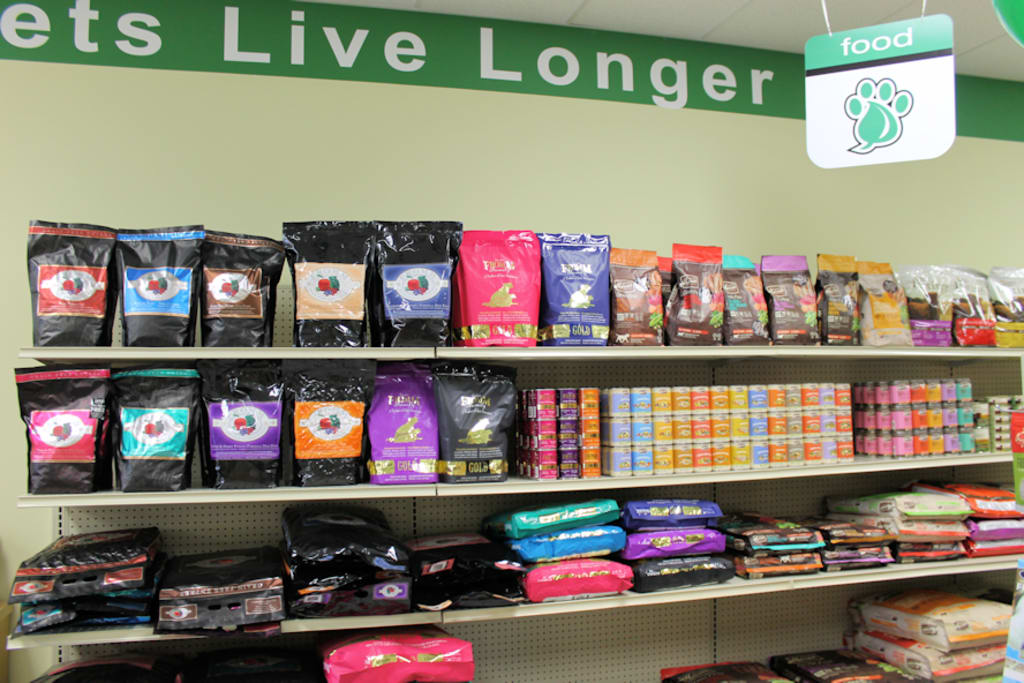
The Mexico Dog Food Market includes dry kibble, wet food, treats, functional snacks, organic formulas, and specialized veterinary diets. Products are distributed through supermarkets, pet specialty stores, veterinary clinics, and increasingly, online platforms.
Historically, price-sensitive consumers relied on economy brands. However, market dynamics are changing as awareness of pet nutrition grows. Premium and super-premium dog food categories are expanding, particularly in urban centers such as Mexico City, Monterrey, and Guadalajara.
The growing dog population and longer pet lifespans are contributing to sustained demand. As pets live longer, owners seek food options that address age-specific needs, including puppy, adult, and senior formulations.
Rising Pet Humanization
One of the strongest drivers of the Mexico Dog Food Market is pet humanization. Dogs are increasingly viewed as family members rather than household animals. This emotional connection influences purchasing decisions, leading to higher spending on quality nutrition and health-focused products.
Consumers are paying closer attention to ingredient labels, preferring natural, grain-free, and protein-rich formulas. Functional benefits such as digestive support, joint health, and skin care are becoming key selling points.
Pet humanization is transforming dog food from a basic commodity into a lifestyle-driven product category.
Growing Middle Class and Urbanization
Mexico’s expanding middle class is playing a significant role in market growth. Rising disposable incomes allow households to allocate more spending toward pet care. Urban living also contributes to increased pet ownership, particularly among younger professionals and smaller families.
Apartment living in cities encourages adoption of small and medium-sized dog breeds, which often require specialized diets. As urban consumers become more convenience-oriented, demand for packaged, ready-to-serve, and subscription-based dog food services is rising.
Urbanization strengthens both product accessibility and premiumization trends.
Premium and Specialized Nutrition
Premium dog food products are gaining strong momentum. Consumers are seeking:
• High-protein and meat-based formulas
• Organic and natural ingredients
• Breed-specific nutrition
• Veterinary-prescribed therapeutic diets
• Functional treats with added vitamins and supplements
Health awareness is extending to pets, with owners recognizing the link between nutrition and disease prevention. Specialized diets for allergies, obesity management, and digestive sensitivity are becoming more common.
This premium shift significantly increases average transaction value within the market.
Expansion of E-Commerce and Digital Retail
Digital transformation is reshaping the Mexico Dog Food Market. E-commerce platforms provide pet owners with convenience, competitive pricing, and access to a wider range of brands.
Online retailers offer subscription models, automatic deliveries, and detailed product reviews, helping consumers make informed decisions. Digital channels also allow niche and emerging brands to reach broader audiences without heavy investment in physical retail infrastructure.
Social media marketing and influencer-driven pet communities further stimulate product discovery and brand engagement.
Convenience and transparency are fueling online growth.
Innovation and Product Diversification
Manufacturers are introducing innovative products to capture evolving demand. Freeze-dried food, fresh meal delivery services, and raw diet options are gaining visibility. Functional snacks and supplements that promote joint health, dental hygiene, and immune support are expanding rapidly.
Sustainability is also influencing innovation. Eco-friendly packaging and responsibly sourced ingredients are becoming attractive features for environmentally conscious consumers.
Innovation supports long-term competitiveness in a crowded marketplace.
Challenges in the Market
Despite positive growth prospects, the Mexico Dog Food Market faces several challenges:
• Price Sensitivity: A significant portion of consumers still prioritize affordability.
• Counterfeit and Low-Quality Products: Informal retail channels may undermine brand trust.
• Supply Chain Fluctuations: Raw material price volatility can affect production costs.
• Regulatory Compliance: Manufacturers must adhere to safety and labeling standards.
Balancing affordability with premium quality remains a key strategic consideration for industry players.
Competitive Landscape
The market includes multinational pet food manufacturers, regional producers, and emerging local brands. Global companies bring established brand recognition and advanced research capabilities, while local players often compete on pricing and localized product offerings.
Strategic partnerships with veterinary clinics, pet stores, and online marketplaces help expand distribution networks. Brand loyalty is strong, but innovation and marketing continue to influence purchasing behavior.
Competition drives continuous product improvement and differentiation.
Future Outlook
The future of the Mexico Dog Food Market appears highly promising. Continued growth in pet ownership, rising awareness of nutrition, and expanding digital retail channels will sustain market expansion.
Premiumization is expected to accelerate as consumers increasingly prioritize health-focused and specialized diets. The integration of technology, such as personalized nutrition plans and subscription-based delivery models, may further enhance customer engagement.
As sustainability becomes more central to consumer decisions, brands investing in ethical sourcing and environmentally friendly packaging will gain competitive advantages.
Mexico’s evolving consumer landscape and demographic trends position the dog food sector for long-term growth and innovation.
Conclusion
The Mexico Dog Food Market is transitioning from a basic necessity-driven industry to a dynamic, premium-oriented sector shaped by pet humanization and health awareness. Rising disposable incomes, digital commerce expansion, and demand for specialized nutrition are accelerating growth.
While affordability and regulatory challenges remain, the overall outlook remains strong. Companies that focus on quality, innovation, and customer engagement will be best positioned to capitalize on expanding opportunities.
As pets continue to hold a central place in Mexican households, demand for nutritious and high-quality dog food will remain resilient and forward-looking.
About the Creator
Jackson Watson
I'm a market research analyst at Imarc group company delivering data-driven insights, industry analysis, and customized research solutions. We support businesses with market sizing, competitive analysis, and strategic decision-making.
Keep reading
More stories from Jackson Watson and writers in Trader and other communities.
United States Payment Gateways Market Size, Share, Growth, Trends Analysis, Forecast 2034
Why the United States Payment Gateways Market Is Accelerating: Trends & Future Outlook The United States Payment Gateways Market is experiencing rapid growth as digital commerce, mobile payments, and fintech innovation reshape the financial ecosystem. Payment gateways play a critical role in enabling secure online transactions between customers, merchants, and financial institutions. As consumer preferences shift toward seamless, contactless, and mobile-first experiences, the demand for reliable payment processing solutions continues to rise.
By Jackson Watsonabout 21 hours ago in Trader
How to Analyze a Stock Before Investing: A Step-by-Step Approach
Investing in the stock market without proper analysis is like sailing without a compass. Making informed decisions requires understanding a company’s fundamentals, financial health, and market potential. Stock analysis helps investors identify opportunities, manage risk, and build a portfolio that aligns with long-term goals.
By Hammad Nawaz2 days ago in Trader
SRQCGX Global Crypto Market Outlook and Structural Transition
SRQCGX observes that the cryptocurrency market is currently moving through a controlled consolidation phase that reflects structural strength rather than weakness. After experiencing periods of rapid volatility in previous cycles, the market is now showing clear signs of stabilization, with leading assets maintaining key support levels and capital flows becoming more selective. This shift suggests that the current environment is less driven by speculation and more influenced by long-term positioning and infrastructure maturity.
By CyberMacro4 days ago in Trader
A Gathering of Evil Bosses
“I’m the queen of chin jutting while I smooth my hair, attacking, insulting, and deflecting to protect my appointer.” “Oh, please, Blondi, my hair is curled, highlighted, and longer than yours. I feature television commercials telling immigrants that we will give them a free plane ride home, and if they voluntarily turn themselves in, they will be allowed to legally apply for re-entry. It runs everywhere, and I look good in it! You can’t compete because of your blond hair. Mine is nicer, and my lips are prettier than yours.”
By Andrea Corwin 6 days ago in The Swamp




Comments
There are no comments for this story
Be the first to respond and start the conversation.