
S&P 500 Index Signals: What Most Investors Fail to Notice
The S&P 500 Index tracks 500 large U.S. companies and gives a clear picture of the overall market.
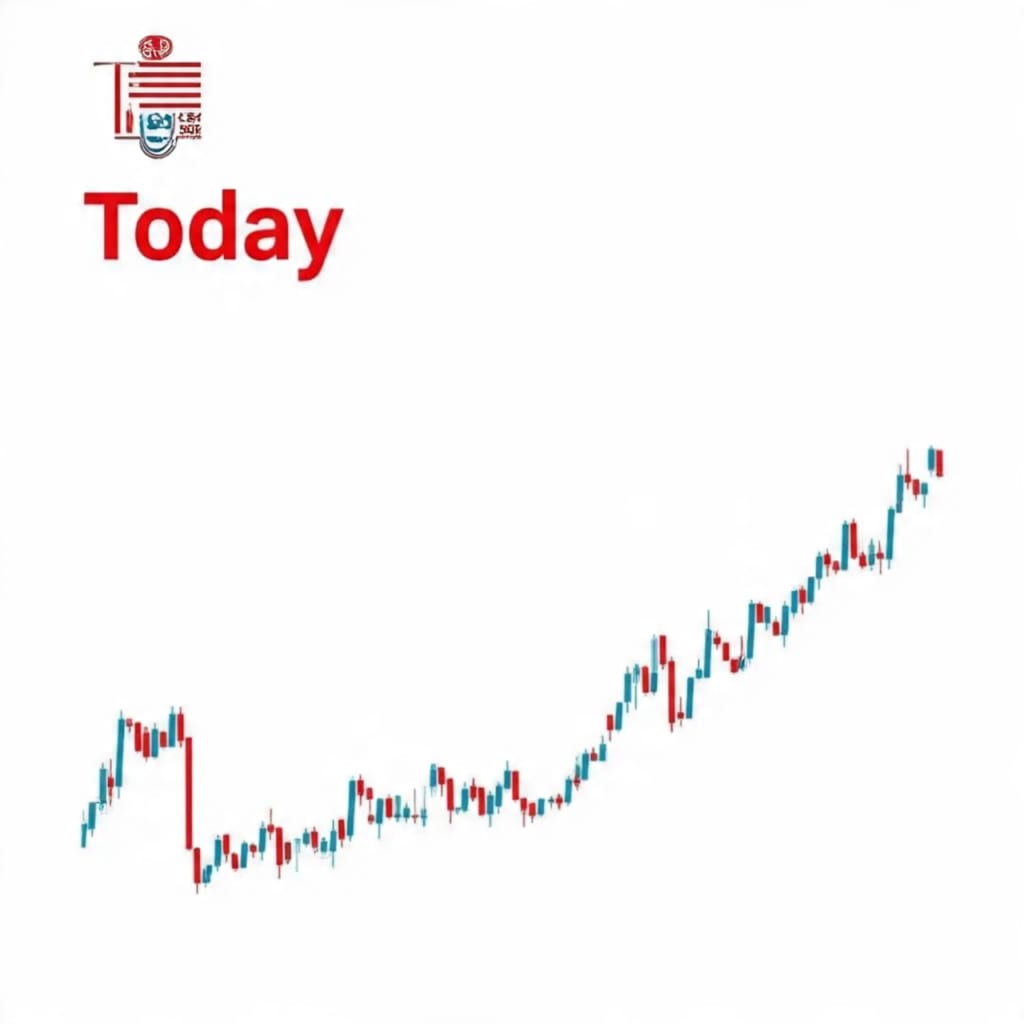
The S&P 500 Index is one of the most watched tools in the stock market. Investors rely on it to understand market trends and make informed decisions. Yet, there are hidden signals in the S&P 500 Index that many people miss. Spotting these early warnings can protect your portfolio and help you make smarter choices.
Understanding the S&P 500 Index
The S&P 500 Index tracks 500 large U.S. companies and gives a clear picture of the overall market. It reflects both growth and risk. While many focus on price changes, the index also contains warning signs that can indicate trouble ahead.
Why Investors Follow the S&P 500 Index
Investors trust the S&P 500 Index because it represents a broad section of the U.S. economy. A rising index usually shows strength, while a falling index may warn of challenges. Paying attention to these signals helps investors protect their investments.
Hidden Risks in the S&P 500 Index
Even though the S&P 500 Index includes strong companies, hidden risks remain. Understanding these risks allows investors to take action before serious losses occur.
Overvalued Stocks
Some stocks in the S&P 500 Index may be overpriced. Prices can rise faster than the company’s actual earnings. Ignoring this risk may lead to sudden drops and financial loss.
Sector Concentration
The S&P 500 Index is often dominated by a few sectors, like technology and finance. Problems in these sectors can affect the entire index and lead to market-wide declines.
Economic Signals
The S&P 500 Index sometimes reacts slowly to economic changes. Rising interest rates, inflation, or weak consumer spending may indicate trouble before the index reflects it. Watching these signals is crucial for investors.
Shocking Signals You Should Watch
Many warning signs in the S&P 500 Index are easy to miss. Investors who recognize these signals early can avoid major losses.
Sudden Sector Weakness
If a sector drops sharply, it can drag the S&P 500 Index down. Weakness in technology, energy, or healthcare often signals broader market risks.
Unusual Trading Volume
Large spikes in trading volume without clear news may indicate hidden stress in the S&P 500 Index. Monitoring volume trends helps investors act before problems escalate.
Rising Volatility
Frequent price swings in the S&P 500 Index may indicate instability. High volatility often precedes bigger market corrections.
How to Protect Your Investments
Understanding the dangers in the S&P 500 Index is important, but taking action is key.
Diversify Your Portfolio
Do not rely only on the S&P 500 Index. Spread investments across sectors and asset types. Diversification reduces risk and limits losses from sudden drops.
Track Early Signals
Watch the S&P 500 Index closely for unusual changes, sector weakness, and volatility. Early detection allows timely decisions that protect your money.
Set Risk Limits
Determine how much risk you can handle. Setting limits protects your portfolio if the S&P 500 Index falls suddenly and prevents panic decisions.
Common Investor Mistakes
Even experienced investors make errors when tracking the S&P 500 Index. Avoiding these mistakes can improve long-term results.
Chasing Hot Stocks
Buying stocks after prices have already risen can be risky. The S&P 500 Index may already reflect overvalued stocks, increasing the chance of losses.
Ignoring Early Warnings
Some investors blindly follow the index and miss warning signs. Overlooking signals in the S&P 500 Index can result in costly mistakes.
Depending Only on Past Performance
The S&P 500 Index has historically grown over time, but past results do not guarantee future gains. Current risks must always be considered.
Internal Resource: Enhance Your Market Knowledge
For actionable strategies to navigate market risks, check out our guide on Essential Tips to Manage Stock Market Volatility. This complements your understanding of the S&P 500 Index and helps you make smarter, safer investment decisions.
Final Thoughts
The S&P 500 Index is a powerful tool for tracking the stock market, but hidden risks exist. Overvalued stocks, sector concentration, unusual trading patterns, and rising volatility are signals investors should never ignore. By recognizing these early warnings and applying smart strategies, you can protect your portfolio and make informed decisions. Staying alert to the S&P 500 Index today ensures better results tomorrow.
About the Creator
Keep reading
More stories from John.doe798 and writers in Trader and other communities.
Dow Jones Trends: Simple Ways to Spot Market Changes Early
Dow Jones is one of the most important indicators of the U.S. stock market. Every day, investors check Dow Jones to see how top companies are performing. While most people focus on the daily gains or losses, there are hidden trends within Dow Jones that can reveal opportunities before the general public notices. They will explore Dow Jones trends, explain why they matter, and show you how to spot market changes early. For more beginner-friendly advice, see our guide on Investing for Beginners: How to Start Smart.
By John.doe798a day ago in Trader
Australia Propylene Oxide Market Is Quietly Becoming One of the Country's Most Exciting Industrial Growth Stories
There are chemicals that make headlines, and there are chemicals that quietly build the world around us. Propylene oxide belongs firmly in the second category. You won't find it on a consumer label, but you'll find its derivatives in the foam cushioning your car seat, the insulation keeping your home energy-efficient, and the packaging protecting your groceries. In Australia, this unassuming compound is at the center of an accelerating industrial story — and the numbers tell a compelling tale.
By Rashi Sharmaa day ago in Trader



Comments
There are no comments for this story
Be the first to respond and start the conversation.