
S&P BSE Sensex Rally Gains Speed: Smart Move or Warning Sign for Investors?
S&P BSE Sensex is once again leading market headlines as it races toward fresh highs.
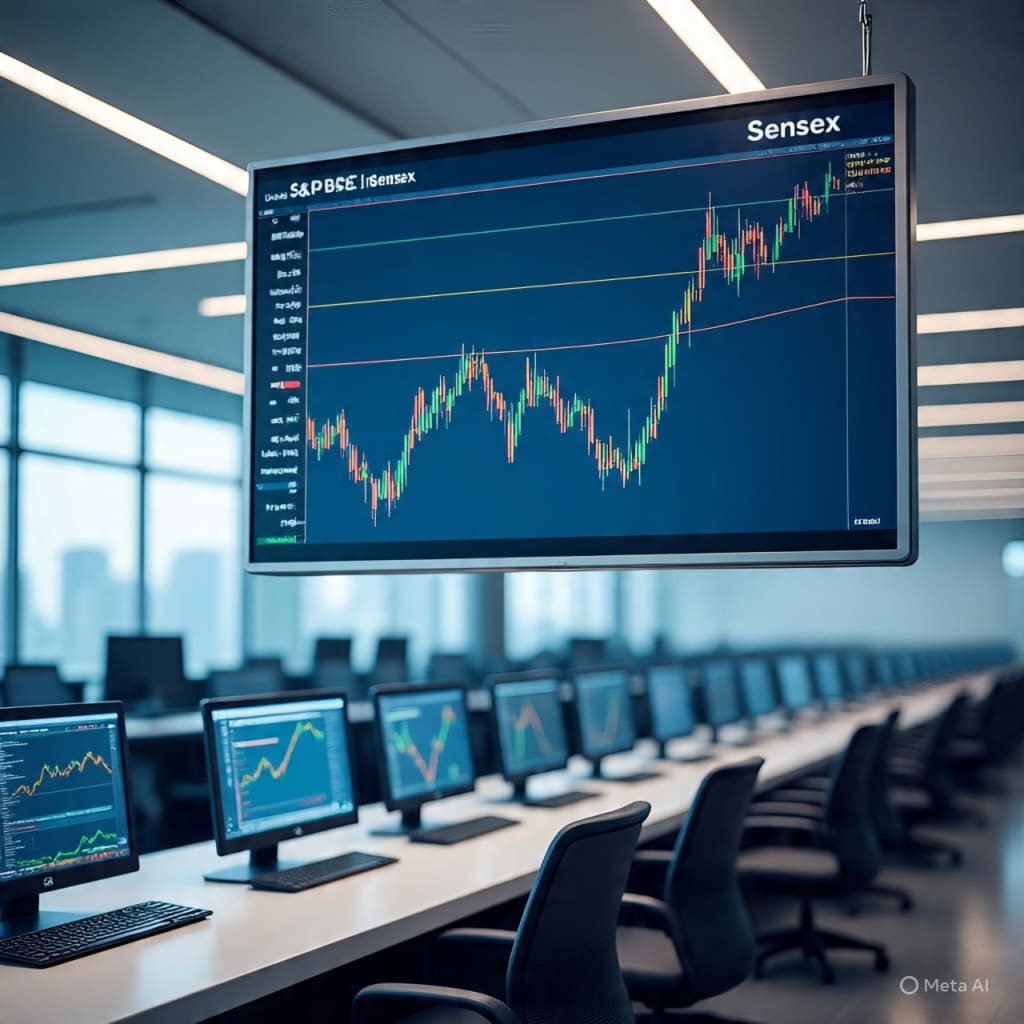
S&P BSE Sensex is once again leading market headlines as it races toward fresh highs. The S&P BSE Sensex has shown strong upward movement in recent sessions. This sharp rise has created both excitement and concern among investors. The S&P BSE Sensex tracks 30 leading companies listed on the Bombay Stock Exchange. Because these firms represent major sectors, the S&P BSE Sensex reflects the overall strength of the Indian stock market. As the S&P BSE Sensex climbs higher, investors are asking a key question. Is this the right time to invest more, or should they prepare for possible risk ahead?
What Is Driving the S&P BSE Sensex Rally?
Strong Earnings Lift the S&P BSE Sensex
One major factor behind the rally in the S&P BSE Sensex is strong company earnings. Many large firms reported better sales and steady profit growth. When profits improve, stock prices often rise. This upward move directly pushes the S&P BSE Sensex higher. Bank stocks showed growth in lending activity. Technology companies gained global projects. Energy firms benefited from steady demand. Together, these gains supported the recent climb in the S&P BSE Sensex.
Investor Trust Supports the S&P BSE Sensex
The S&P BSE Sensex often rises when investor confidence remains high. Stable economic conditions and positive business outlooks encourage buying activity. This steady demand keeps the S&P BSE Sensex strong. Many investors believe India’s economy will continue to grow. That belief adds further support to the S&P BSE Sensex.
Steady Investment Flows Strengthen S&P BSE Sensex
Both local and foreign investors are investing in companies that form the S&P BSE Sensex. Regular investment through monthly plans also adds steady buying pressure. This consistent inflow helps maintain stability in the S&P BSE Sensex even during minor market dips.
Opportunities in the Rising S&P BSE Sensex
Long-Term Growth Through S&P BSE Sensex
The S&P BSE Sensex has delivered long-term returns over many years. Investors who stayed invested during past market cycles often built strong wealth. A rising S&P BSE Sensex may continue to offer long-term growth opportunities. Instead of focusing only on daily price moves, investors can think about steady participation in the S&P BSE Sensex.
Strong Economic Signals from S&P BSE Sensex
When the S&P BSE Sensex reaches record levels, it signals business strength. It shows that leading companies perform well. This strength can attract more global attention and further support the S&P BSE Sensex. A stable and rising S&P BSE Sensex often reflects overall economic progress.
Risks Behind the S&P BSE Sensex Surge
High Prices in the S&P BSE Sensex
When the S&P BSE Sensex rises quickly, some stocks may become expensive. If prices grow faster than earnings, the market may slow down. A short correction in the S&P BSE Sensex can happen at any time. Investors should understand that the S&P BSE Sensex does not move upward in a straight line.
Global Factors Can Affect S&P BSE Sensex
Global events can influence the S&P BSE Sensex. Changes in oil prices, global interest rate shifts, or political tensions may affect investor mood. Even strong rallies in the S&P BSE Sensex can pause due to global pressure. Short-term swings are a normal part of market cycles.
Emotional Buying Around S&P BSE Sensex
When the S&P BSE Sensex reaches new highs, some investors rush to invest without planning. Emotional decisions can lead to regret if prices fall later. A calm and planned strategy works better than chasing fast moves in the S&P BSE Sensex.
How to Approach the Current S&P BSE Sensex Levels
Invest Step by Step in S&P BSE Sensex
Instead of investing a large amount at once, investors can spread their investment over time. This method reduces risk when the S&P BSE Sensex trades at high levels. Regular investing helps manage short-term market swings.
Diversify Beyond S&P BSE Sensex
While the S&P BSE Sensex covers major companies, investors should spread their money across different sectors and assets. Diversification lowers overall risk. A balanced portfolio can protect investors during corrections in the S&P BSE Sensex.
Learn from Previous S&P BSE Sensex Records
If you want a deeper understanding of past record moves, read our detailed analysis here:
S&P BSE Sensex Surges to New Peak: Is This the Right Time to Invest? This guide explains how previous rallies in the S&P BSE Sensex shaped long-term investor outcomes.
What Could Happen Next for S&P BSE Sensex?
The future of the S&P BSE Sensex depends on company earnings, economic growth, and global stability. If profits continue to rise, the S&P BSE Sensex may maintain strength. If global risks increase, the S&P BSE Sensex may face short-term pressure. Investors should monitor business performance instead of reacting only to daily headlines about the S&P BSE Sensex.
Final Thoughts on S&P BSE Sensex
S&P BSE Sensex continues to show strong momentum and investor confidence. The recent rise in the S&P BSE Sensex reflects solid company performance and economic stability. At the same time, the S&P BSE Sensex carries short-term risks due to high valuations and global uncertainty. Smart investors balance optimism with caution. In the end, the S&P BSE Sensex remains a key indicator of India’s market health. Whether it moves higher or pauses for a correction, the S&P BSE Sensex will continue to guide investor decisions across the country.
About the Creator
Keep reading
More stories from hamza mirza and writers in Trader and other communities.
idream film infrastructure company ltd Future Potential: Is Steady Growth Around the Corner?
idream film infrastructure company ltd is slowly building attention among investors who track small and growing companies. Many people now ask whether idream film infrastructure company ltd can achieve steady growth in the coming years. The company operates in the film and media support sector, which continues to expand as digital content demand increases. They will explore the business model, growth factors, risks, and long-term outlook of idream film infrastructure company ltd. This guide explains everything in simple English so readers can clearly understand the opportunity and the challenges.
By hamza mirzaa day ago in Trader
What is the reason for the sudden 11% decline in the Pakistan Stock Exchange after a record rise?
Is the 11 percent decline in the Pakistan Stock Exchange’s 100 Index over a short period merely a market “correction,” or is it a sign of an impending market crash? This is the question currently circulating in the minds of many investors.
By Real contentabout 15 hours ago in Trader




Comments
There are no comments for this story
Be the first to respond and start the conversation.