
A Food Lover’s Guide to Yangon
Must-Try Flavours That Define the City
Yangon served as Myanmar's capital until 2005. Now Naypyidaw holds that role. But Yangon stays the country's main city and trade center. It bursts with chaos, beauty, and bold flavors. Think crowded markets. Golden pagodas gleam. Street sellers hawk goods. All this shows Southeast Asia at its peak.
Traffic clogs every road. Motorbikes weave past buses. Horns blast non-stop. It pushes your limits. Yet the food turns frustration to joy. Pure bliss hits your taste buds.
Grab a bowl from a street cart. Neon lights flicker overhead. Smoke curls from sizzling pans. Or slip into a teahouse. Locals chat over steaming tea. Moms serve simple snacks to kids. These spots feel like home.
Yangon's eats draw from its past. British rule brought curries. Indian traders added spice. Chinese neighbors shared noodles. This mix creates surprises. A noodle soup might pack fish broth and herbs. Tea leaf salad crunches with nuts. Each bite tells a story.
History shapes the plate. Pagodas stood for centuries. Wars and changes followed. Food holds those threads. It binds old ways to now. Dive in. You'll taste the heart of the city.
Mohinga: The Breakfast of Burmese Champions
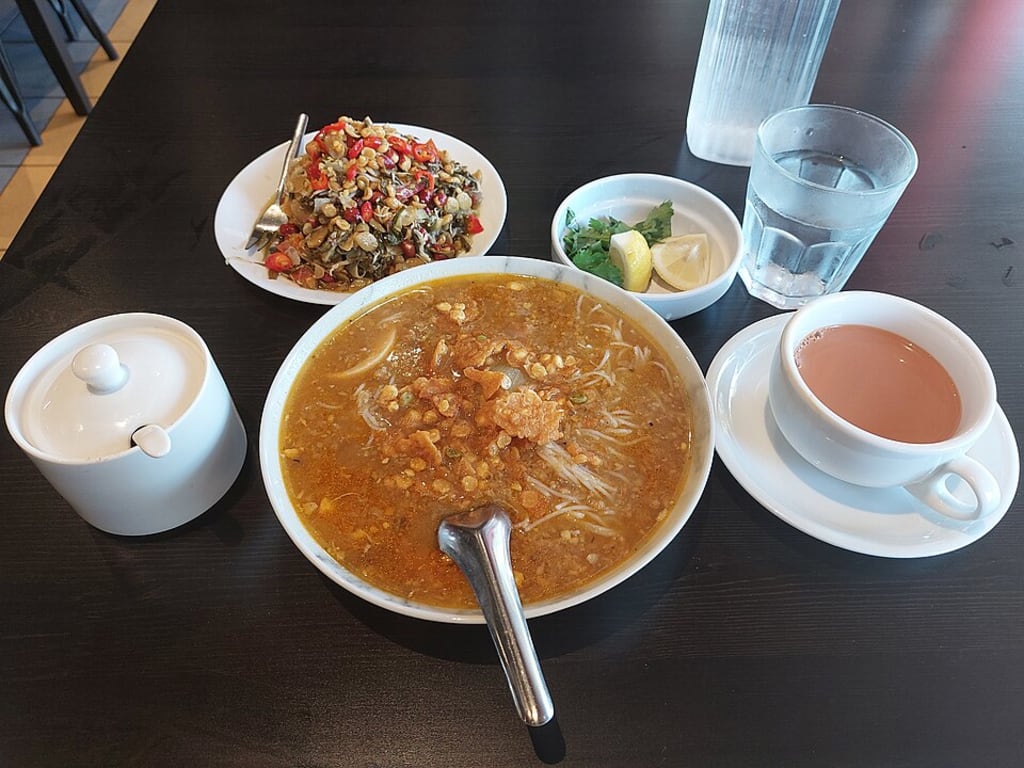
Rice noodles twist through a bright yellow broth. Turmeric gives that golden color and warm spice. Fresh catfish chunks sink in for a meaty bite. Crunchy fritters—made from lentils or onions—add snap and contrast. Thin slices of banana stem bring fresh crunch. A fresh lime squeeze cuts through with tartness.
Street stalls fire it up early each morning. Steam rises thick from huge pots. Tea shops pour it alongside sweet drinks all day. You spot these spots in every neighborhood. From crowded markets to side alleys. The setup stays basic: low stools, metal bowls, quick hands.
One bowl hooks you fast. Savory flavors layer up just right. Fish broth builds deep umami. Spices warm without overwhelming. That first slurp warms you deep. No wonder it draws crowds at dawn. Food lovers call it addictive for good reason. It fuels the day with simple power. Humble roots meet bold taste. Yangon pulses with it.
Tea Shops & Lahpet: The Real Burmese Social Network
Tea culture grips Yangon tight. Locals treat it like a daily ritual. Teashops dot every street corner. They buzz from dawn till late night. People pull up low plastic stools. They huddle in groups. Hours slip by as they chat. Cups of sweet, milky tea steam in hands. The brew mixes black tea, condensed milk, and sugar. It warms the throat with each sip.
Plates arrive piled with lahpet thoke. This dish stars Myanmar's fermented tea leaf salad. Pick young green leaves. Steam them soft. Let them ferment for weeks. The result turns tangy and dark. Toss in crunchy peanuts and beans. Add crispy fried garlic slices. Sprinkle sesame seeds for nutty pop. Fresh tomatoes and chilies bring heat. Every bite crunches. The leaf mash bursts with sour notes. It blends smooth textures with sharp flavors.
Teashops serve as town squares. Workers grab breakfast here. Friends swap news. Deals get sealed over refills. Pull up your own stool. Sip slow. Crunch loud. Let chatter wash over you. Watch vendors rush by. Feel vendors call out. Street dogs nap nearby. This scene captures Yangon's steady beat. Life flows simple and real.
Street Skewers and Night Market Snacks
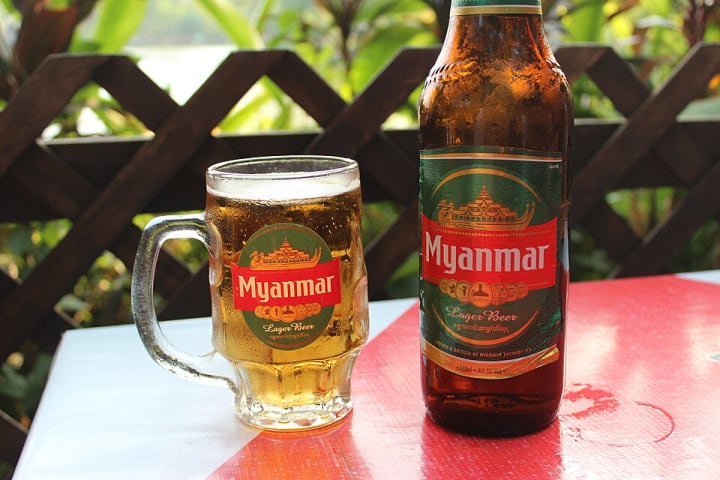
Yangon after dark transforms into a street food wonderland. Head to Chinatown (19th Street is one of the best Yangon places to visit) for smoky skewers grilled over open flames. Chicken hearts, squid, tofu, quail eggs—you name it, they’ll grill it. Add in spicy dipping sauces and a cold Myanmar Beer, and you’ve got a meal that’s both messy and magnificent.
Burmese Curries: Rich, Oily, and Worth Every Bite
Don’t expect light fare—Burmese curries are unapologetically oily, deeply flavoured, and usually served with a parade of side dishes. Think lentil soup, pickled veggies, fried greens, and unlimited rice. Must-try spots like Feel Restaurant dish out traditional plates that are a crash course in Myanmar’s multicultural food identity, blending Indian, Chinese, and Thai influences with something uniquely Burmese.
About the Creator
Keep reading
More stories from ameliarosanna and writers in Viva and other communities.
What Makes Hikkaduwa One of Sri Lanka's Most Diverse Coastal Destinations?
Hikkaduwa is a coastal town on Sri Lanka’s south-western shoreline shaped by the close relationship between ocean systems, settlement patterns, and long-standing cultural presence. Its character has evolved through fishing traditions, marine conservation efforts, trade routes, and changing patterns of coastal use. Within a limited geographic stretch, natural habitats, public beaches, religious landmarks, and everyday town life exist side by side. This article explores how Hikkaduwa’s geography, marine environment, cultural layers, and coastal rhythms combine to form one of the island’s most varied seaside destinations.
By ameliarosanna14 days ago in Viva
You are NOT a "Conservative Feminist," You are a Radical Conservative.
I am brutally honest with my opinion, and many people hate me for it. I am unapologetic when people who claim to be "Conservative Feminists" are offended when I say: "Conservatism and Feminism directly contradict each other; conservative feminism does not exist. You're not a feminist, you're a Radical Conservative." It's at that point civility dissolves from the other party, and they start calling me names or defending themselves instead of saying, "Excuse me? Explain yourself."
By Hope Martin6 days ago in Viva
Beyond the Solitaire: Why the Women’s Diamond Engagement Band is 2026’s Biggest Trend
In the world of bridal jewellery, the landscape is shifting. For decades, the "Big Rock" or the classic solitaire was the undisputed queen of proposals across the UK. However, as we move through 2026, a new contender has claimed the spotlight: the women’s diamond engagement band.
By Mohd Kaisha day ago in Viva
The Cave Part 6
If you have ever heard a tale about yourself that you cannot remember and doubtless think is made up, you will know how I felt when Tharkin related all that the eagle had seen of me before my memories were scattered. Of far distances and traveling companions that I did not recall, camping out under the stars and making our way to the mountains with deliberate purpose. The great bird had lost contact with my party once we entered the forests, and the seven other members were not seen again by him or his brethren since.
By Jamye Sharp3 days ago in Chapters




Comments
There are no comments for this story
Be the first to respond and start the conversation.