

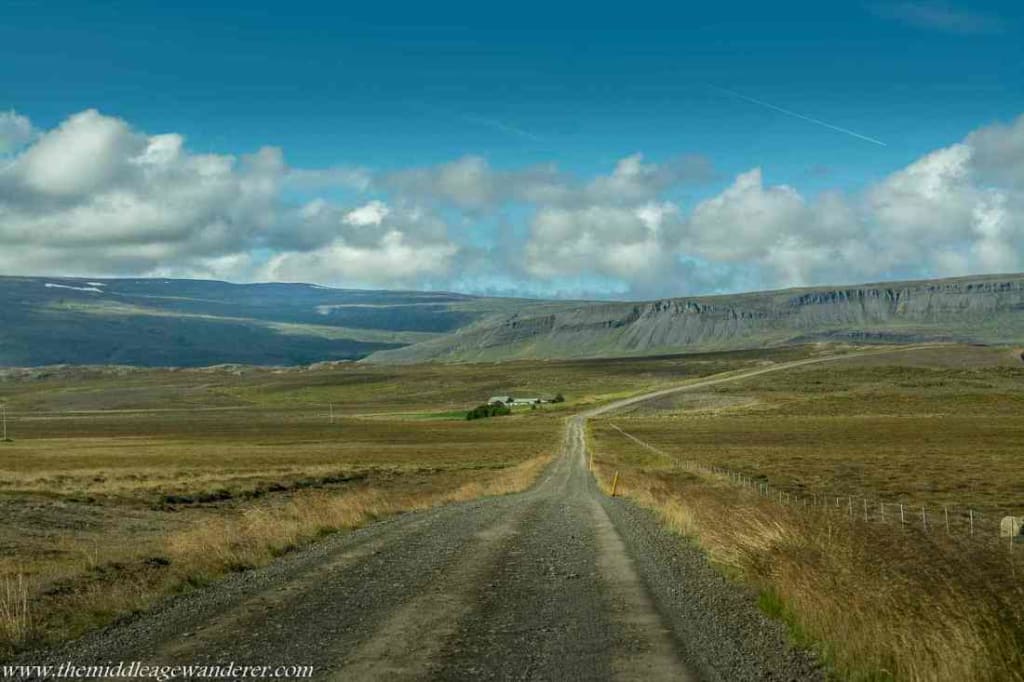
Iceland is truly a beautiful country, and a great way to see it is to hire a car and take a road trip. There are no trains, and unless you are on a guided bus tour, there are limited buses. So, we spent 18 days exploring Iceland by car. From that experience, here are our 11 tips for driving in Iceland.
Iceland is a relatively easy country to explore by car as it is quite small at 103,000 square kms (approximately 40,000 square miles).
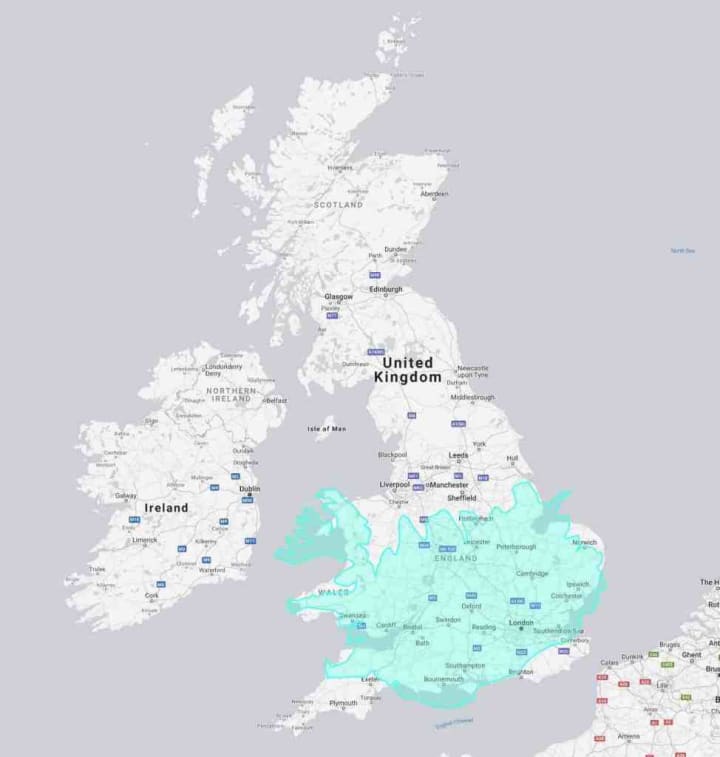
Iceland compared to the UK (Source: https://thetruesize.com
Also, by hiring a car, you can be more flexible and take your own route and time. You will appreciate being able to explore Iceland’s stunning landscapes at your own pace, and being able to stop and explore different areas.
TIP 1 – YOU NEED TO UNDERSTAND THE ROADS
There is one major highway, known as the Ring Road or Highway 1, which makes driving in Iceland reasonably easy. The Ring Road is a 1,332 km road which takes you around the island excluding areas such as the Westfjords and the Snaefellsnes Peninsula.
The Ring Road is a good quality sealed road, but, in most places, it is only two lanes. Other roads such as to the Snaefellsnes Peninsula are also sealed. But what many people do not know is that many other roads in Iceland are not sealed (i.e. gravel) roads. For example, for our two days in the Westjords we mostly drove on gravel roads. The quality of these roads vary with some being well kept, while others are full of potholes.
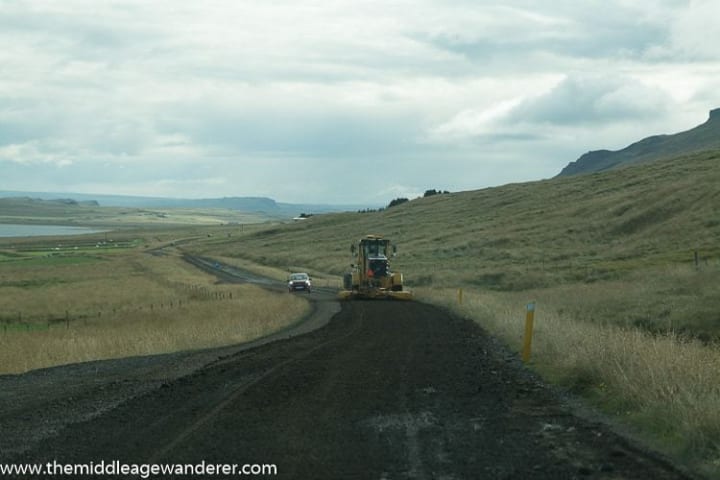
A well maintained gravel road in Iceland
F-ROADS
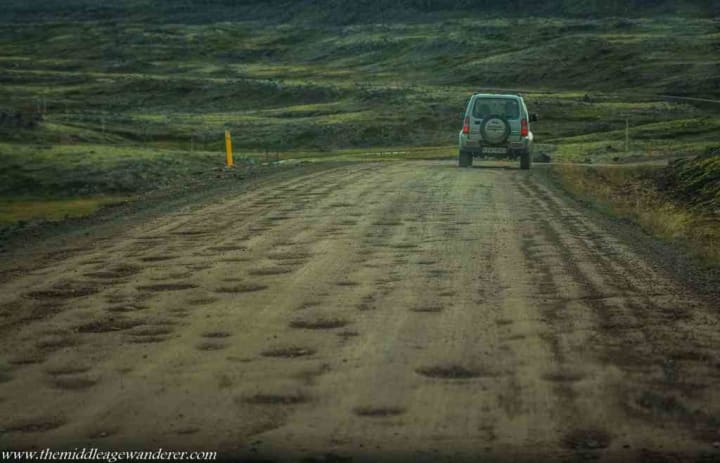
The road to Dynjandi Waterfall in the Westfjords full of potholes
In Iceland, roads that are for 4WD’s only are referred to as F-roads. These mountain roads are unsealed, they include river crossings, and require experienced 4WD / off road drivers. F-roads are only open in summer, and if venturing onto F-roads, it is important to check road closures to see if specific roads are open or not.
It is highly recommended that if you want to visit an area only accessible by an F-road, that you book a tour with an experienced 4WD tour group.
BRIDGES
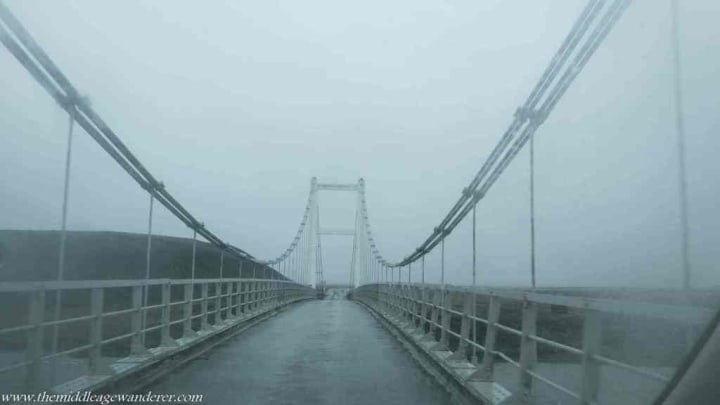
A single land bridge
Most bridges in Iceland are single lane, so it is important to give way if oncoming traffic that is already on the bridge. Longer single lane bridges have space along the bridge to pull into to let oncoming cars pass safely.
TIP 2 – 2WD OR 4WD?
There are a few things to consider when determining whether you should hire a 2WD or 4WD when driving in Iceland.
A 2WD would be sufficient in the following circumstances:
- If you are staying on the Ring Road, other sealed roads, or well-kept gravel roads; and
- You are not visiting in winter.
A 4WD should be hired in the following circumstances:
If you will be visiting areas that are not accessible from the Ring Road or other sealed roads (eg. the Westfjords);
- You want to venture onto F-roads;
- You are visiting in winter.
Regardless of the time of year you are visiting, you can encounter heavy rain and strong winds. For this reason, I recommend considering hiring a 4WD, even if you are staying on the Ring Road (if your budget allows).
MANUAL OR AUTO?
Many cars in Iceland are manual, so you may want to request an automatic especially if you are like us and usually drive on the opposite side of the road.
TIP 3 – INSURANCE FOR YOUR HIRE CAR
When you research driving in Iceland, you can read stories of people who have had to pay for damage to their hire cars. While, you should always carefully understand the insurance coverage and extras available for your hire car in any country, it is particularly important in Iceland, because of the unique risks when driving in Iceland.
- Collision Damage Waiver (CDW)—CDW is usually included in all rentals. If it is not included, budget for about 350,000 ISK for CDW.
- Super Collision Damage Waiver (SCDW)—SCDW reduces any excess payable to a lower amount or nil. Budget for about 150,000 ISK for SCDW.
- Gravel Protection Insurance (GP)—GP covers damage caused by the impact of gravel on the body of the car, headlights, and the windshield
- Theft Protection Insurance (TP)—TP covers the theft of the vehicle
- Sand and Ash Protection (SAAP)—SAAP covers damage due to sand storms or ash (this may sound odd, but considering the extremely strong winds that can be encountered in Iceland, paint can literally be sand blasted).
Most hire companies will provide a discounted package if you take one or more of the additional insurances.
WHAT IS NOT COVERED?
- If you have an accident when driving in Iceland, towing of your hire care is usually not covered by insurance and will need to be paid by the customer.
- Damage to the vehicle on F-roads, regardless of the car being a 4WD or not, is not covered. If you are intending on traveling on F-roads talk to the car hire company about obtaining extra coverage.
- Damage done to the undercarriage of the vehicle is not covered. When you collect your hire car, make sure you take photos of the undercarriage so you have record of the state of the undercarriage when you picked up the car.
- You are not covered if you attempt a river crossing, and the engine is damaged by water.
- Damage to tyres is usually not covered.
- Animals effectively have right of way on Icelandic roads, and if you hit an animal with your car, your insurance will not cover you. Sheep roam freely and are regularly on the side of the road or on the road, so you need to be aware of animals when driving.
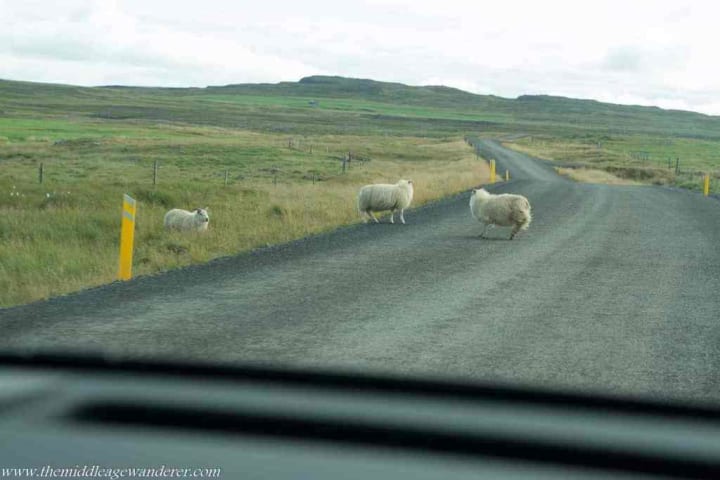
Sheep on the road
TIP 4 – DRIVING ON THE RIGHT-HAND SIDE OF THE ROAD
For those of you from the 163 countries and territories (or 66 percent of the world’s population) who drive on the right hand side of the road, this will not be an issue for you. However for those of us from the remaining 76 countries and territories (or 34 percent of the world’s population) who drive on the left hand side of the road, it does take extra concentration for the first few days of driving. (Hence my note in Tip 2 about hiring an automatic).
TIP 5 – YOU CAN’T STOP FOR EVERY WATERFALL, HORSE, SHEEP…
Yes, the Icelandic scenery is stunning and the Icelandic horses and sheep are so cute.
But don’t stop in the middle of the road or pull over on the side of the road. Wait until you find a designated place to stop. The Icelandic environment is fragile, and it is illegal and considered a serious offense to damage the environment by pulling off the road in a place that is not designated as a place to stop.
There are numerous reports of tourists being totally disrespectful to the fragile Icelandic environment and ignoring the rules that are there to protect it
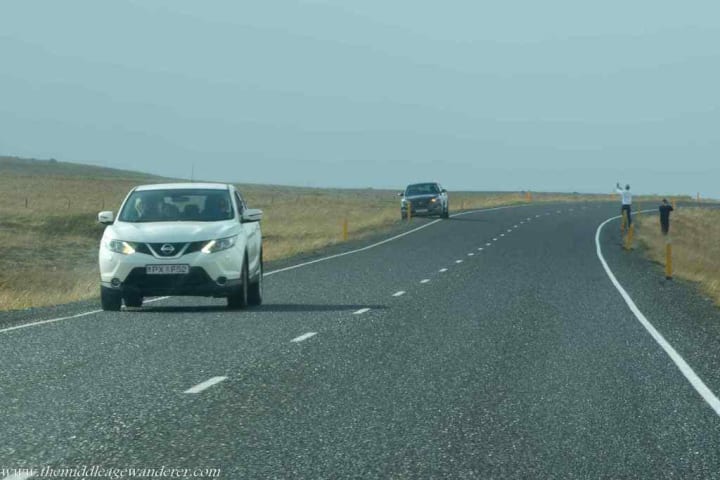
A car stopped in the middle of the Ring Road, Iceland's main highway. The passengers were taking photos.
The above photo shows a car pulled over on the side of the road, and another stopped in the middle of the Ring Road, Iceland’s main highway. The scene (see the photo below) was beautiful, but neither car should have stopped where they did. I took both photos as we continued to drive along the Ring Road.
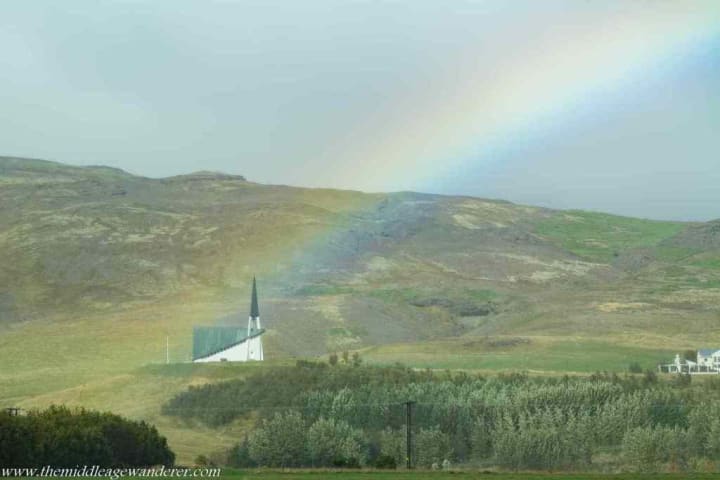
The reason the car stopped in the middle of the Ring Road
TIP 6 – GPS OR APP
When driving around the Ring Road and other areas, especially in the northern part of Iceland, Internet will not always be available. For that reason, using Google Maps or other internet-dependent map apps will not work well in some areas, or will require you to pre-download the maps.
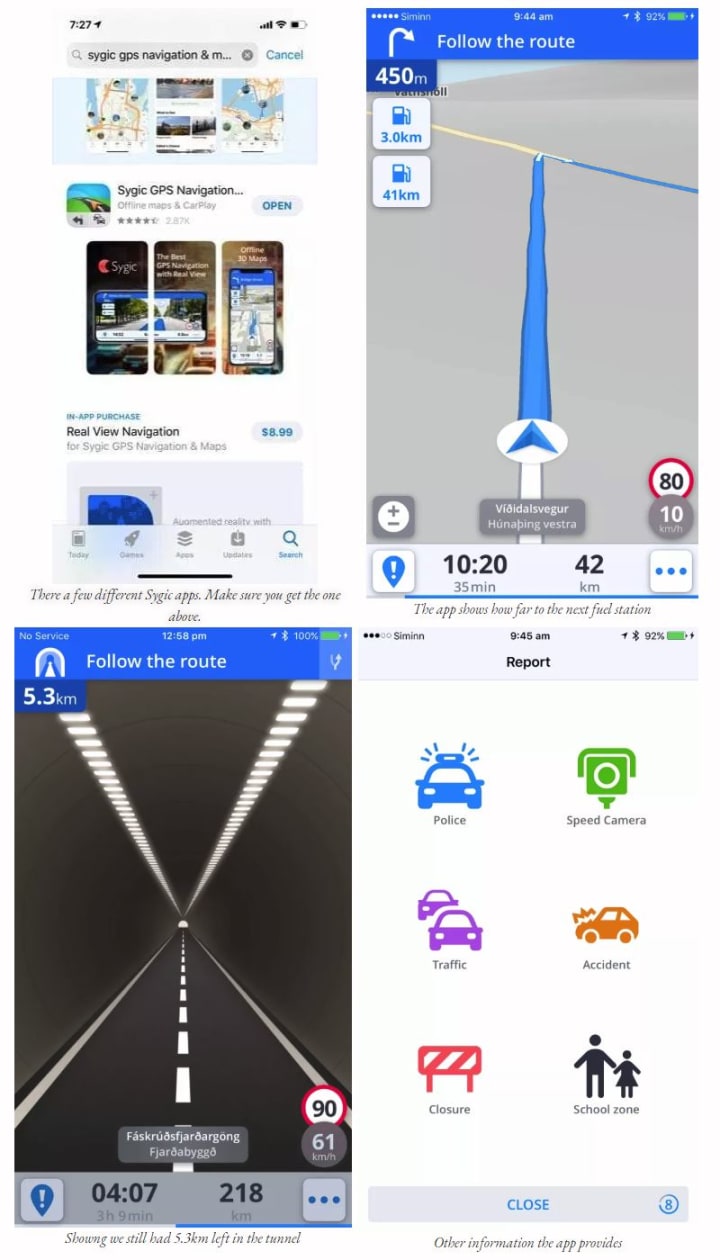
You can hire a GPS for your car, or download a GPS App. Because of this we used Sygic GPS Navigation & Maps, which we downloaded from the Apple Apps Store. It is an offline maps app that uses GPS, not data, so it can be used when outside of internet range. As it is designed for navigation, it includes assistance such as safety alerts, traffic re-routing and fuel station distances.
The app is free to download, and then you can purchase maps from around 200 countries. We used this app for the first time in Iceland, and then in Helsinki on our trip home and found it worked really well.
TIP 7 – FUEL AND FUEL STATIONS
FINDING A FUEL STATION
You will find plenty of gas or fuel stations when driving in Iceland. As would be expected, there are more in the more populated areas such as cities / towns, and around the ring road. But you need to be aware that as you head to other areas that are more remote, you can travel over 100km between fuel stations.
As we traveled to more remote areas, we worked on the rule that we would refuel when our tank was half full. We rarely went under half a tank using this strategy. If you use the Sygic GPS app, it shows the distance to the next fuel station.
PAYING FOR FUEL
Fuel is paid for at the fuel pump using a debit or credit card. You place your card in the slot, enter your PIN, and then you may have the option of setting a maximum ISK amount of to fill the tank. Once this is done (don’t forget to take your card), you can fill your tank.
Fuel stations may not be open, or may not be manned when you want to refuel. However, you can still refuel using your card.
CHECK WHAT FUEL YOUR CAR TAKES
There are two types of fuel in Iceland—diesel and unleaded (gasoline), which is 95 octane. Your hire care should have a sticker on the fuel cap to direct you as to which fuel you need to use in your rental car. It is always a good idea to check with the rental company when picking up the car.
WASH BAYS
If you are driving on gravel roads, it is likely that your vehicle will get very dirty. Larger fuel stations will usually have free wash bays where you can wash your vehicle. On one day which we spent most of the day on gravel roads, we ended up washing our car twice!
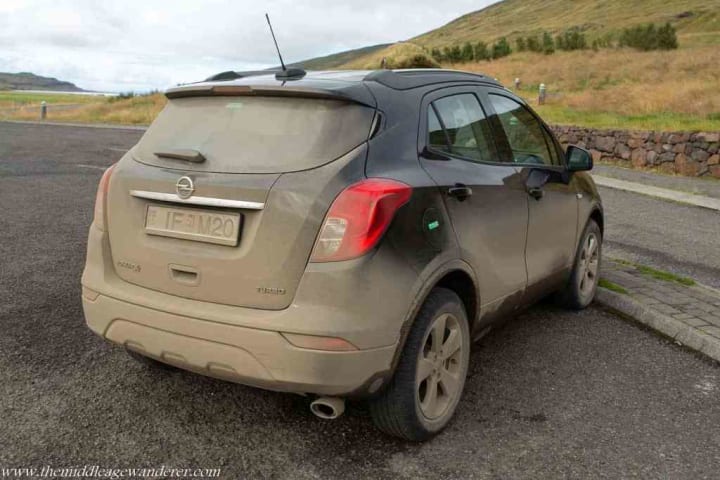
Our car from driving on gravel roads
TIP 8 – THE WEATHER
The weather in Iceland is unpredictable.
Be prepared for heavy rain. We entered one long tunnel in the pouring rain only to exit the tunnel to bright blue skies.
The wind can be really strong (average winds of 50m/s are common) and can cause damage to car doors if they are opened or left open in these extremely windy conditions.
TIP 9 – ROAD RULES
Common road rules include:
- Speed limits—90km/hr on sealed roads, 80km/hr on gravel roads, 50km/hr in urban areas.
- Don’t speed. There are a number of fixed speed cameras, which are signed a few hundred meters before you come to them.
- Car headlights must be switched on at all times—day and night.
- You cannot use mobile phones when driving.
- You must wear a seat belt.
TIP 10 – ROAD SIGNS
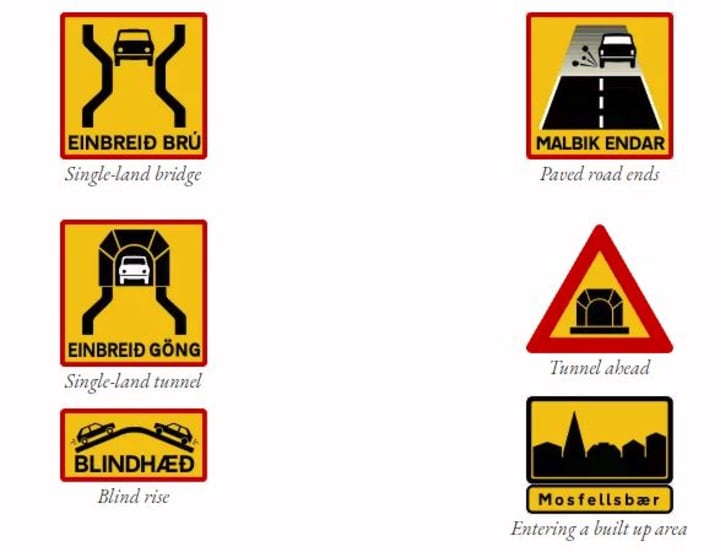
Road signs are reasonably easy to understand (they are in Icelandic). Here are some examples.
TIP 11 – PARKING IN REYKJAVIK
When staying in Reykjavik, check if your accommodation provides parking. We stayed one night in the capital when we first arrived, and we had off-street parking provided with the apartment. On our return, we stayed in different accommodation, and quickly needed to understand the parking zones. Parking zones are colour-coordinated as follows:
- Red zone: 230 ISK / hour—Mon-Fri 9 AM to 6 PM. Sat 10 AM to 4 PM. Sun free.
- Blue zone: 125 ISK / hour—Mon-Fri 9 AM to 6 PM. Sat 10 AM to 4 PM. Sun free.
- Green zone: 85 ISK for first and second hour, 20 ISK per hour after second hour—Mon-Fri 9 AM to 6 PM. Sat 10 AM to 4 PM. Sun free.
- Orange zone: 125 ISK per hour—Mon-Fri 8 AM to 4 PM. Free Saturday and Sunday.
There are car parks in central Reykjavik also.
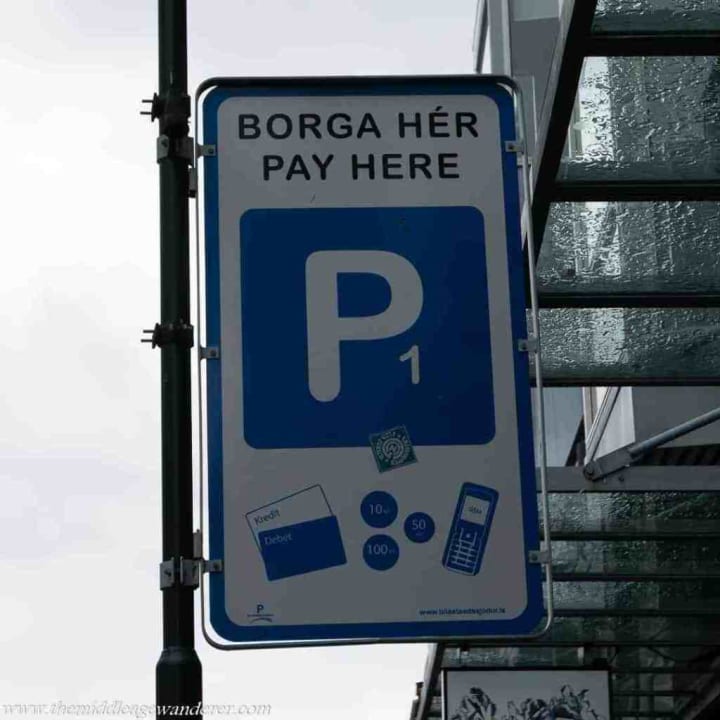
Blue zone parking area
About the Creator
Lisa Bundesen
Great places, great food, great wine, great company and keeping active to be able to do all the things (well most of them) that we could when we were 20.
Keep reading
More stories from Lisa Bundesen and writers in Wander and other communities.
10 Ways to Be in Your Travel Photos When You Hate Having Your Photo Taken
If you are like me, you arrive home from an adventure somewhere to find that you have very few, if any travel photos of you on those adventures. While I really do not like having my photo taken, it is nice to be in some photos to show you actually did go to those amazing places.
By Lisa Bundesen7 years ago in Photography
Seattle Nightlife Report: Pony
Mid-winter Friday night. Early but already so dark. The days are getting longer but 6 PM is still pitch black. “Firepit!” You declare things after just a few seconds of solemn thought – not a request or suggestion, not a demand. Last week you walked around saying, “Hot tub?” to anyone who would listen. Or one afternoon you pointed at two men holding hands as they crossed 12th Avenue, looked me in the eyes and said, “Boyfriends.”
By Joe Nasta | Seattle foodie poet13 days ago in Wander
A Little History In Heptonstall
Introduction Last week I holidayed in Hebden Bridge in Yorkshire and discovered a couple of things that I didn't know before getting there. One thing I did know is that several BBC series have been filmed there, "Happy Valley" and the current "Riot Women":
By Mike Singleton 💜 Mikeydred 2 days ago in Wander



Comments
There are no comments for this story
Be the first to respond and start the conversation.