
Eco-Friendly Diving: Protecting Florida’s Marine Life.
diving South Florida, diving tips, marine life diving Florida, Scuba Diving South Florida, travel

Introduction: The Call of the Deep
Florida’s underwater realms offer some of the most dynamic and beautiful ecosystems on the planet. From the coral-draped reefs of the Keys to the mangrove-framed bays of Biscayne, marine life thrives—and divers are both witnesses and stewards of these fragile environments. This comprehensive article explores how scuba diving South Florida and marine life diving Florida can be practiced responsibly, putting conservation first and empowering divers to protect our oceans.
South Florida’s Marine Marvels: A Brief Overview
The Florida Reef Tract & Marine Sanctuaries
Stretching nearly 350 miles—from the St. Lucie Inlet through the Keys to the Dry Tortugas—Florida’s coral reef is the only living coral barrier reef system in the continental U.S.
This reef ecosystem encompasses a variety of habitats:
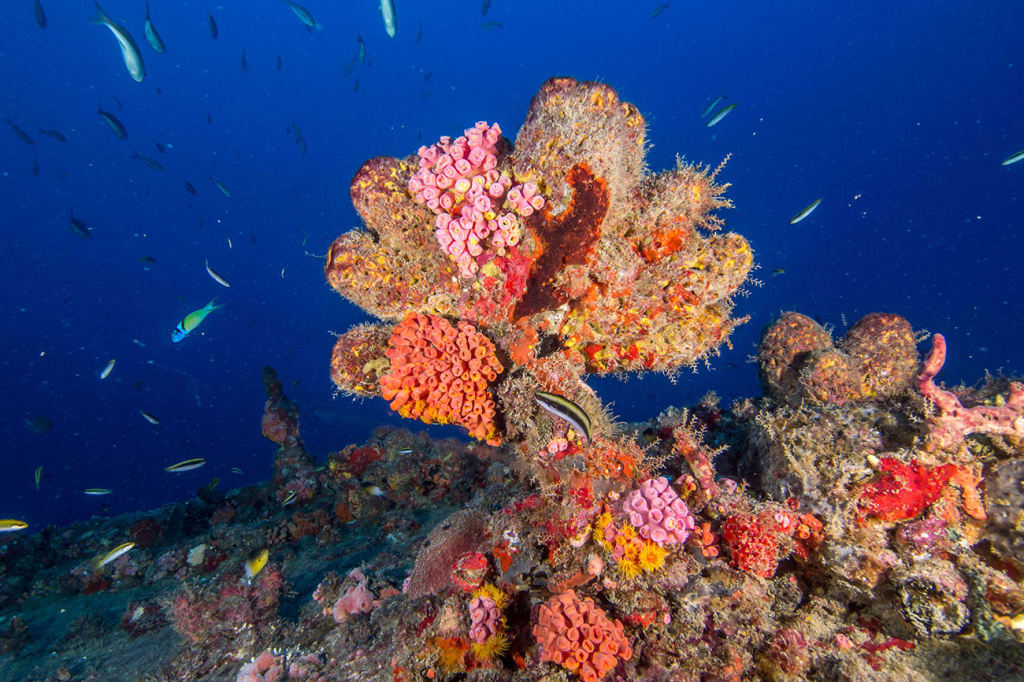
Coral reefs, home to countless species of corals, sponges, fish, sea turtles, and invertebrates
Mangroves, which provide nurseries and carbon sequestration—catching and storing twice as much carbon as terrestrial forests
Seagrass beds, which support juvenile marine life and stabilize sediments.
Protected areas such as Biscayne National Park preserve coastal mangroves, seagrass, offshore reefs, and critical habitat for endangered species like sea turtles, manatees, and smalltooth sawfish
Taking the Plunge: Scuba Diving South Florida & Marine Life Diving Florida
Iconic Dive Destinations
Key Largo holds the title of the "Diving Capital of the World," offering diving at John Pennekamp Coral Reef State Park and beyond
Biscayne National Park provides unique diving opportunities within a largely submerged marine environment—95% of the park is underwater
Conservation-Focused Operators & Programs
- The Blue Star program, run by NOAA, recognizes diving operators committed to environmental stewardship in the Florida Keys. Operators like Key Dives, Rainbow Reef Dive Center, and Forever Young Charter Company engage divers in coral outplanting, marine debris removal, and lionfish control
- Pura Vida Divers–based in South Florida–donates part of each dive booking to local nonprofits and runs ongoing cleanup initiatives at Blue Heron Bridge, contributing over 900 lbs of trash removed in 2024
- Key Largo’s Rainbow Reef Dive Center hosts Coral Restoration Day every second Friday, guiding divers through conservation dives and coral nursery outplanting efforts
Eco‑Friendly Diving Practices: Behaviors That Make a Difference
1. Low-Impact Diving Techniques
Mastering buoyancy and trim keeps divers from harming fragile reefs. Training like PADI’s Low Impact Diver or the Diamond Reef System teaches these vital skills
2. Respect for Marine Life
Even a gentle touch can transmit bacteria or disturb animals. Always maintain control and avoid contact with corals and sea creatures
3. Minimizing Pollution
Choose reusable water bottles and avoid single-use plastics. Participating in cleanup dives removes harmful waste from marine habitats
4. Use Eco-Conscious Technology
Sustainable dive computers with solar charging, rechargeable batteries, and recyclable or durable materials reduce environmental impact—models like Garmin Descent G1 Solar or Suunto D5 are examples
5. Follow Local Regulations
Respect protected zones, avoid anchoring on reefs, and honor designated no‑dive areas to protect biodiversity
Conservation in Action: Community & Science Working Together
Citizen Science & Monitoring
- The Florida Reef Resilience Program and CREMP train volunteers to collect vital data on coral health and fish populations
- REEF organizes fish surveys by recreational divers, yielding rich insights with over 250,000 surveys in Florida
- PADI AWARE's Dive Against Debris program mobilizes divers to remove trash and report on marine debris—forming the largest underwater citizen science movement globally
Professional-Led Cleanup Initiatives
At Biscayne National Park, veteran divers removed approximately 5,000 lbs of debris in 2023, including fishing gear and anchor lines that smother coral and harm the reef
Coral Restoration
- NOAA leads the multi-decadal Mission Iconic Reefs initiative, restoring seven key reefs in the Keys where over 90% of coral cover has been lost
- Clearwater Marine Aquarium, in partnership with the Coral Restoration Foundation, farms corals on “coral trees” and outplants them to help restore degraded reefs.
- At Key Largo, divers assist in maintaining coral nurseries and outplanting new colonies—gaining hands-on restoration experience
Advanced Research & Facilities
The Aquarius Reef Base—off Key Largo—is the only underwater research lab of its kind. Operated by Florida International University, it supports prolonged marine research and innovation in conservation
Bringing It Together: A Diver’s Eco-Toolkit
Get low-impact diving training
Conclusion: Dive with Purpose
The tagline “Scuba diving south Florida” isn't just a call to explore—it’s a call to protect. Through marine life diving Florida guided by eco-conscious practices, divers become guardians of these underwater realms.
The vibrant corals, seagrasses, mangroves, and marine species of South Florida are not only spectacles for our enjoyment—they are critical ecosystems that need our respect, understanding, and action. Let every dive you take be informed by conservation, enriched by awareness, and fueled by the desire to ensure that Florida’s marine life continues to thrive—for today and for generations to come.
About the Creator
Parrot Island Scuba Adventures
Parrot Island Scuba Adventures is located in Pompano Beach, Florida just north of Fort Lauderdale.
We are a family owned and operated dive charter.
Keep reading
More stories from Parrot Island Scuba Adventures and writers in Wander and other communities.
Scuba Diving vs. Snorkeling: What’s Right for You?
For anyone drawn to the ocean’s shimmering surface, the desire to explore what lies beneath is almost irresistible. Whether it's the colorful dance of tropical fish or the silent beauty of coral reefs, both snorkeling and scuba diving offer unforgettable access to underwater worlds. But which experience is right for you?
By Parrot Island Scuba Adventures6 months ago in Wander
Seattle Nightlife Report: Pony
Mid-winter Friday night. Early but already so dark. The days are getting longer but 6 PM is still pitch black. “Firepit!” You declare things after just a few seconds of solemn thought – not a request or suggestion, not a demand. Last week you walked around saying, “Hot tub?” to anyone who would listen. Or one afternoon you pointed at two men holding hands as they crossed 12th Avenue, looked me in the eyes and said, “Boyfriends.”
By Joe Nasta | Seattle foodie poet15 days ago in Wander
The Willy Chirino Mural
The muralist who did his mural did an excellent job of capturing Willy and his beautiful essence. The Willy Chirino Mural is located in Little Havana in Miami, Florida. Willy deserves this mural and of all people to have a mural they made the right choice in choosing to immortalize Willy on the side of a building. The mural was commissioned by Leon Medical center a healthcare system which Willy is a partner and spokesperson.
By Revista Mikoabout 21 hours ago in Wander
Trouble at the Tea Leafing Café
The rain had started right around the time that Annie was buttering her second thick slice of homemade toast for breakfast, and hadn’t paused since. Not that anyone could tell. The windows of the café were fogged over, and with every seat filled with happy customers munching on fresh baked pastries or steaming bowls of the delicious soup of the day, it was hardly surprising. Annie looked around the room, finally taking a moment to breathe after the lunch time rush. Her old life already felt like a bad memory, a part of her history, always, but just that. History.
By Hannah Moore7 days ago in Fiction


Comments
There are no comments for this story
Be the first to respond and start the conversation.