
Moroccan Black Soap Guide: Benefits and Uses
Discover the traditional natural soap that has been a staple of Moroccan skincare for centuries

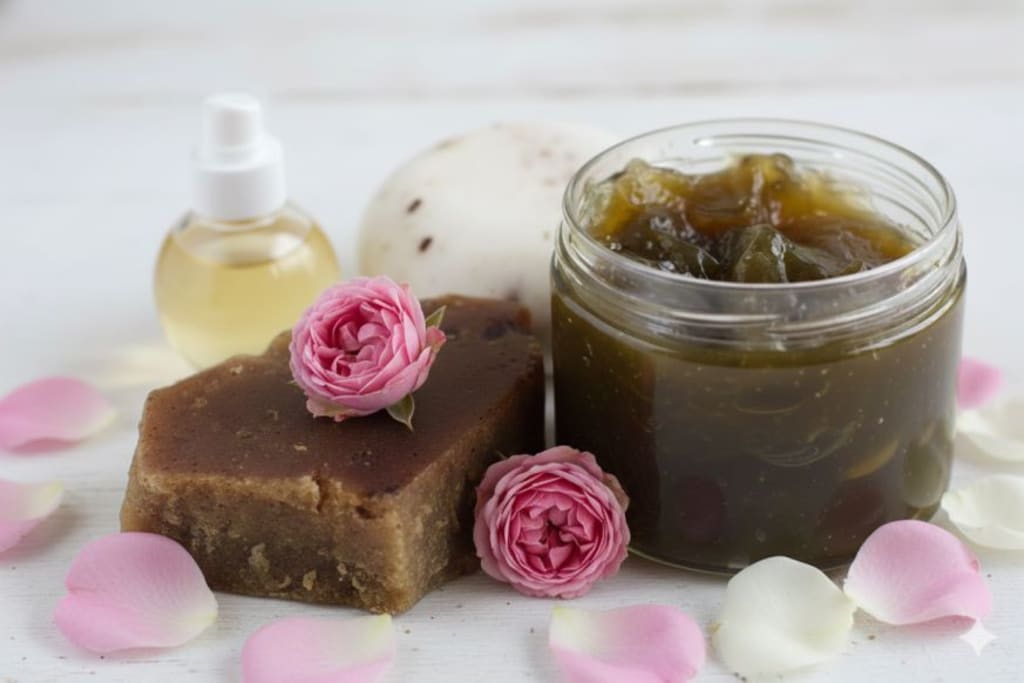
When I first encountered Moroccan black soap, or savon noir, during a visit to a traditional hammam in Marrakech, I was fascinated. Dark, thick, and with a strong olive scent, it didn’t look like the soaps I was used to—but once I experienced it, I understood why it has been a cornerstone of Moroccan skincare for generations.
Unlike conventional soaps, Moroccan black soap is 100% natural, made primarily from crushed olives and olive oil. Its origins trace back hundreds of years, deeply rooted in Moroccan wellness rituals, particularly in hammams, or traditional bathhouses. It is not just a cleaning product but a cultural and therapeutic tool that has stood the test of time.
Origins of Moroccan Black Soap
The history of Moroccan black soap is intertwined with Morocco’s rich olive cultivation. Olive trees have grown in the region for centuries, providing both food and ingredients for traditional remedies. Locals discovered that crushing olives and combining them with oil created a thick, dark paste with remarkable cleansing and exfoliating properties.
Originally used in hammams, black soap became part of a ritual cleansing process that combined exfoliation, moisturizing, and detoxifying treatments. Over time, its use spread beyond bathhouses to homes across Morocco and, eventually, internationally.
Composition and Types
Moroccan black soap is typically made from three core ingredients:
Olive oil: Provides moisture and nourishes the skin.
Olives: Crushed to produce the paste’s distinctive dark color and natural saponins.
Potassium hydroxide: A natural alkali that turns the olive paste into soap through saponification.
Variations may include additional natural oils or essential oils, such as eucalyptus, for fragrance and therapeutic benefits.
Benefits of Moroccan Black Soap
Moroccan black soap offers a wide range of benefits for skin health:
Deep Cleansing: Its rich texture helps remove impurities, excess oils, and dirt from the skin, leaving it refreshed.
Exfoliation: Often combined with a kessa glove, it gently sloughs away dead skin cells, promoting smooth, glowing skin.
Hydration: Olive oil content ensures that the skin remains moisturized even after cleansing.
Detoxification: Regular use can help unclog pores and improve circulation, making it a favorite for wellness routines.
Versatility: Can be used on the face, body, and even as part of hair and scalp treatments.
During a hammam session, I watched a local guide apply the black soap across a client’s skin and let it sit for several minutes. The paste, once rinsed, left the skin soft, radiant, and remarkably smooth—proof of its long-standing reputation.
How to Use Moroccan Black Soap
Using Moroccan black soap properly ensures the best results:
Steam or Warm Shower: Apply after steaming to open pores, typically in a hammam or hot shower.
Apply Generously: Spread a thin layer over wet skin.
Let It Sit: Leave for 5–10 minutes to allow absorption.
Exfoliate: Gently scrub with a kessa glove in circular motions.
Rinse Thoroughly: Wash off with warm water and pat dry.
Moisturize: While black soap is moisturizing, applying a natural oil afterward can enhance hydration.
This process, while simple, has been refined over centuries to maximize the soap’s cleansing and nourishing properties.
Cultural Significance
In Morocco, black soap is more than skincare—it is a cultural ritual. Hammams are social spaces where communities gather, and using black soap is part of the traditional cleansing and relaxation experience. Beyond physical benefits, it represents heritage, wellness, and the careful preservation of natural practices.
Travelers often describe hammam sessions as transformative, not just for the skin but for the mind. Experiencing Moroccan black soap is a sensory journey: the rich texture, olive aroma, and warmth of the steam all contribute to a sense of connection to Moroccan culture.
Tips for Travelers
Choose natural products: Look for authentic Moroccan black soap made with real olive oil and minimal additives.
Pair with a kessa glove: For the full exfoliating effect, the glove is essential.
Test on sensitive skin: While generally safe, a patch test is wise for first-time users.
Enjoy in a hammam: Visiting a traditional Moroccan bathhouse is an unforgettable way to experience black soap in its cultural context.
Bring some home: Many travelers purchase black soap as a souvenir, appreciating its versatility and natural benefits.
Conclusion
Moroccan black soap is much more than a cleansing product—it is a connection to centuries of tradition, artistry, and cultural heritage. From its humble beginnings in olive orchards to its central role in hammams across the country, it embodies Morocco’s commitment to natural, effective wellness practices.
Experiencing Moroccan black soap firsthand provides insight into Moroccan daily life, wellness rituals, and the enduring artistry of natural skincare. For travelers seeking an authentic cultural experience that engages the senses, there are few things as satisfying as a proper Moroccan hammam session with black soap and a kessa glove.
Sources & References
Morocco Family Vacation – cultural insights and Moroccan wellness practices
Moroccan Ministry of Culture and Communication
Observations from visits to traditional hammams in Marrakech and Fes
Academic articles on Moroccan natural skincare traditions
About the Creator
Ariel Cohen
Ariel Cromwell | Morocco travel Writer and mom sharing local insights, family travel experiences, and practical tips to help others explore the country with confidence.
Keep reading
More stories from Ariel Cohen and writers in Wander and other communities.
Morocco in January: Travel & Weather Guide
Visiting Morocco in January offers a unique perspective on the country. Unlike the busy summer months, January provides cooler temperatures, fewer crowds, and an opportunity to explore cities, deserts, and mountains with a different kind of charm. From the vibrant streets of Marrakech to the snow-capped Atlas Mountains, this month reveals Morocco’s diversity in a way that travelers rarely experience.
By Ariel Cohen2 months ago in Wander
Seattle Nightlife Report: Pony
Mid-winter Friday night. Early but already so dark. The days are getting longer but 6 PM is still pitch black. “Firepit!” You declare things after just a few seconds of solemn thought – not a request or suggestion, not a demand. Last week you walked around saying, “Hot tub?” to anyone who would listen. Or one afternoon you pointed at two men holding hands as they crossed 12th Avenue, looked me in the eyes and said, “Boyfriends.”
By Joe Nasta | Seattle foodie poet16 days ago in Wander
A Taste of London
There is a show on Recipe.TV called “A Taste of London” hosted by Chef Edward Delling- Williams. It is as the title of the show says the food of London and culture. Being a native of London Edward Delling-Williams on the subject of London and the food. I love to watch a taste of London anytime it’s on. I would even watch reruns of it even if I’ve seen the episode before because it’s so enjoyable. I also like Edward Delling- Williams. He’s a personal host of the show one of my favorite cooking show personalities.
By Revista Miko3 days ago in Wander



Comments
There are no comments for this story
Be the first to respond and start the conversation.