
How Business Management Software Improves Organizational Efficiency
Business Management Software
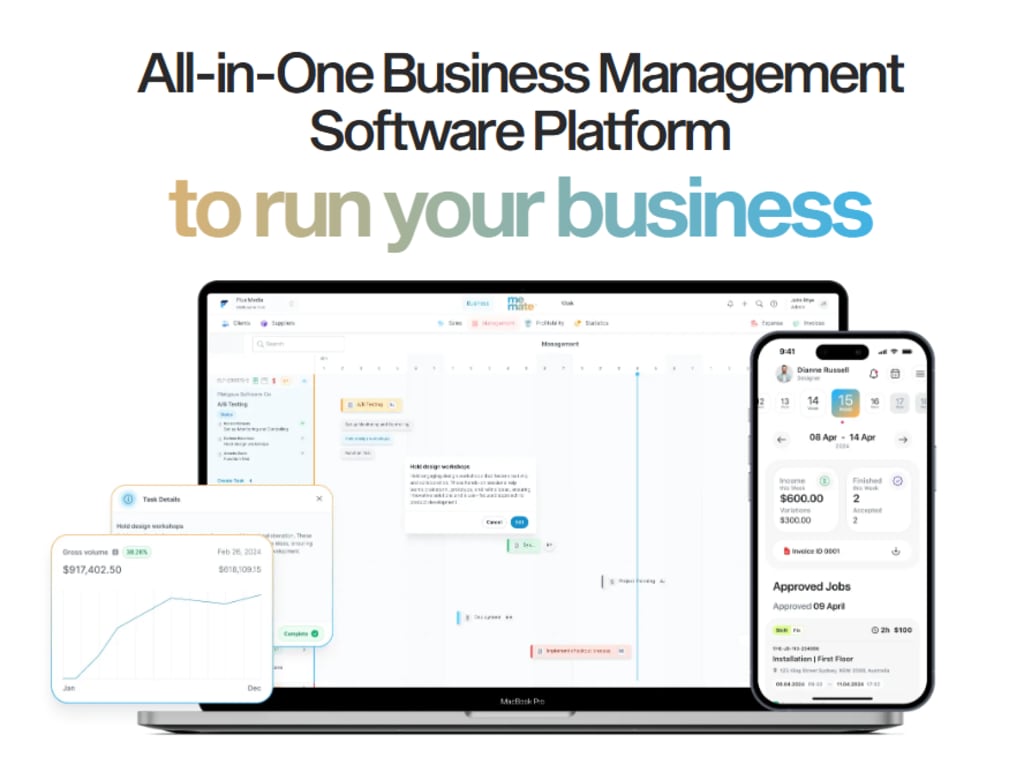
In many organizations, inefficiency does not come from a lack of effort but from fragmented systems, manual processes, and unclear workflows. Teams spend valuable time switching between tools, searching for information, and fixing avoidable errors. As businesses grow, these small inefficiencies accumulate, slowing operations and limiting productivity. Improving organizational efficiency requires more than hiring additional staff, it requires smarter systems that streamline processes and improve visibility across departments.
Modern organizations increasingly rely on digital solutions to coordinate operations, manage data, and support decision-making. When implemented correctly, business management software becomes a foundation for smoother workflows, better collaboration, and sustainable efficiency improvements.
Understanding Organizational Efficiency
Organizational efficiency refers to how effectively a company uses its resources, time, people, and information, to achieve its goals. An efficient organization minimizes wasted effort, reduces delays, and ensures that teams work toward shared objectives without unnecessary friction.
Traditional inefficiencies often arise from disconnected systems, manual approvals, duplicated data entry, and unclear responsibilities. These challenges not only slow daily operations but also make it difficult for leaders to gain a clear picture of overall performance. Improving efficiency means creating processes that are transparent, consistent, and easy to manage across the entire organization.
Centralized Data and Real-Time Visibility
One of the most significant contributors to inefficiency is scattered information. When data lives in spreadsheets, emails, or isolated systems, employees spend excessive time searching for accurate details. Centralized digital platforms address this problem by bringing operational data into a single, accessible environment.
With real-time visibility, teams can track progress, monitor performance, and identify issues as they occur rather than reacting after delays. Accurate reporting also supports informed decision-making, allowing leaders to respond quickly to changes. Access to reliable insights, supported by tools often described as The best Business reporting software, helps organizations move from guesswork to data-driven action.
Process Automation and Reduced Manual Work
Manual processes are one of the biggest barriers to efficiency. Repetitive tasks such as data entry, approvals, scheduling, and status updates consume time that could be better spent on strategic or creative work. Automation reduces this burden by standardizing workflows and handling routine tasks consistently.
By automating processes, organizations can reduce errors caused by manual handling while increasing speed and accuracy. Employees benefit from clearer task ownership and fewer interruptions, while managers gain confidence that processes are being followed correctly. Over time, automation not only improves productivity but also enhances job satisfaction by allowing staff to focus on higher-value responsibilities.
Better Collaboration and Cross-Team Alignment
Poor communication often leads to duplicated work, missed deadlines, and confusion about priorities. Efficient organizations rely on clear, shared systems that allow teams to collaborate without unnecessary complexity.
Digital management platforms create a single source of truth where updates, tasks, and responsibilities are visible to all relevant stakeholders. This transparency improves accountability and reduces the need for constant follow-ups. When teams can easily share information and track progress, collaboration becomes more proactive and less reactive, leading to faster execution and stronger alignment across departments.
Enhanced Decision-Making Through Data and Insights
Efficiency is closely tied to decision-making quality. Without accurate data, organizations risk making choices based on assumptions rather than evidence. Integrated analytics and reporting tools provide insights into performance trends, resource utilization, and operational bottlenecks.
Access to structured data allows leaders to identify inefficiencies early and adjust strategies before problems escalate. Over time, consistent analysis supports better forecasting and planning, enabling organizations to allocate resources more effectively and respond to market changes with confidence.
Reduced Operational Costs and Smarter Resource Use
Inefficient processes often result in hidden costs, including rework, delays, and underutilized resources. By streamlining workflows and improving visibility, organizations can reduce waste and operate more cost-effectively.
Efficient systems help ensure that time and resources are allocated where they are most needed. This optimization not only lowers operational expenses but also improves service quality and customer satisfaction. When employees spend less time correcting errors or navigating complex processes, overall performance improves naturally.
Implementation Challenges and How to Overcome Them
While the benefits are significant, adopting new systems can present challenges. Resistance to change, insufficient training, and unclear objectives may limit effectiveness if not addressed properly. Successful implementation requires planning, employee involvement, and ongoing support.
Organizations can reduce friction by introducing changes gradually, providing clear training resources, and setting measurable efficiency goals. When employees understand how new systems support their work rather than complicate it, adoption becomes smoother and more sustainable.
Conclusion
Organizational efficiency is not achieved through isolated improvements but through connected processes that support clarity, speed, and informed decision-making. By centralizing data, automating routine tasks, improving collaboration, and enabling insight-driven leadership, organizations can create environments where productivity grows naturally. In an increasingly competitive landscape, efficiency is no longer optional, it is a key driver of long-term success.
FAQs
1. What is organizational efficiency in business?
Organizational efficiency refers to a company’s ability to achieve its objectives using minimal time, effort, and resources while maintaining quality and consistency.
2. How does management software improve productivity?
It improves productivity by automating repetitive tasks, centralizing data, and enabling teams to collaborate more effectively with fewer delays.
3. Can small businesses benefit from management software?
Yes, small businesses often see significant efficiency gains by reducing manual work, improving visibility, and managing resources more effectively.
4. What features support better decision-making?
Key features include real-time reporting, performance dashboards, analytics tools, and centralized access to operational data.
5. What challenges should organizations expect during implementation?
Common challenges include resistance to change, training requirements, and initial setup complexity, which can be managed through planning and employee engagement.
About the Creator
Keep reading
More stories from jimmie Lotte and writers in Writers and other communities.
Social Media Strategies That Work Best for Australian Local Businesses
If you talk to enough local business owners in Australia, you start to hear the same frustrations about social media. Some post regularly and get very little response. Others see competitors showing up everywhere and wonder what they’re doing differently. A few give up entirely, assuming social media just isn’t worth the effort.
By jimmie Lottea day ago in Writers


Comments