
The Hidden Mistakes Most People Make When Buying Beauty Products
Mistakes Most People Make When Buying Beauty Products

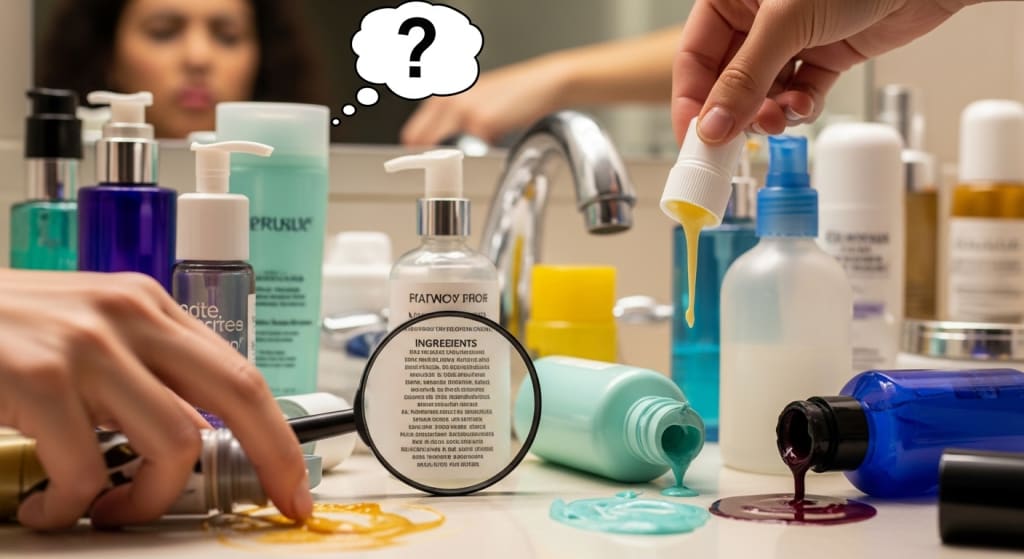
Walk into any beauty store or scroll through social media, and you’ll be overwhelmed with promises.
“Instant glow.”
“Flawless skin.”
“Miracle formula.”
Yet despite spending more than ever on cosmetics and skincare, many people still struggle with breakouts, irritation, or disappointing results. The problem is rarely a lack of options — it’s the buying decisions we make.
Let’s talk about the common mistakes most people don’t even realize they’re making.
1. Falling for Packaging Instead of Ingredients
Beautiful packaging sells. That’s a fact.
Sleek bottles, luxury fonts, and aesthetic designs can easily influence purchasing decisions. But packaging has nothing to do with how a product performs on your skin.
What truly matters is the formulation.
Two products may look identical, yet one contains harsh irritants while the other includes skin-supporting ingredients. Learning to check ingredient lists instead of visual appeal instantly improves your chances of choosing reliable beauty products that actually deliver results.
2. Assuming Expensive Means Better
Price often creates a psychological illusion of quality.
Many buyers believe higher cost automatically equals superior performance. In reality, pricing reflects branding, marketing, and positioning — not always effectiveness.
Some affordable products outperform premium ones simply because they contain better-suited ingredients. Smart shoppers evaluate compatibility and formulation rather than relying solely on price tags.
3. Ignoring Skin Type Compatibility
One of the biggest mistakes is copying what works for someone else.
A product perfect for oily skin can be disastrous for dry or sensitive skin. Likewise, rich creams that help dryness may clog pores for acne-prone users.
Before purchasing, consider:
• Is your skin oily, dry, combination, or sensitive?
• Does the product target your specific concern?
• Are there ingredients your skin reacts to?
Ignoring these questions often leads to irritation, wasted money, and frustration.
4. Trusting Hype Over Research
Social media trends move fast.
A product goes viral, influencers praise it, and suddenly everyone feels compelled to buy. But popularity doesn’t guarantee suitability.
Marketing emphasizes excitement. Research emphasizes logic.
Checking reviews, understanding ingredients, and buying from sources known for authentic skincare products protects you from impulsive decisions driven by temporary hype.
5. Overlooking Source Credibility
Where you buy matters as much as what you buy.
Counterfeit cosmetics and low-quality replicas are common in many markets. These products may look genuine but often contain unsafe or ineffective formulations.
Prioritizing trusted sellers and verified platforms reduces risks while ensuring you invest in safe cosmetic choices rather than questionable alternatives.
Final Thoughts
Buying beauty products shouldn’t feel like gambling.
Better results come from informed decisions, not marketing claims. Paying attention to ingredients, compatibility, credibility, and realistic expectations dramatically improves your skincare and makeup experience.
Because in the end, beauty is not about owning more products — it’s about choosing the right ones.
About the Creator
Brian Hen
Hello there! I'm Brian, a dedicated and creative content writer with over five years of experience in the industry. My passion lies in crafting compelling narratives that engage readers and drive action.
Boundless
A geographical map could take you there. To the places I've been, to the sights I've seen, to the landscapes I've climbed. But no compass could point you in the direction of my memories. To the experiences I've lived, to the happiness I've felt, to the wonder I've held so close to my heart.
By Alyssa Musso2 days ago in Writers




Comments
There are no comments for this story
Be the first to respond and start the conversation.