
How Agricultural Films Are Supporting Modern Farming Practices in Japan
The growing role of protective films, sustainable materials, and controlled cultivation in improving crop productivity

Market Overview
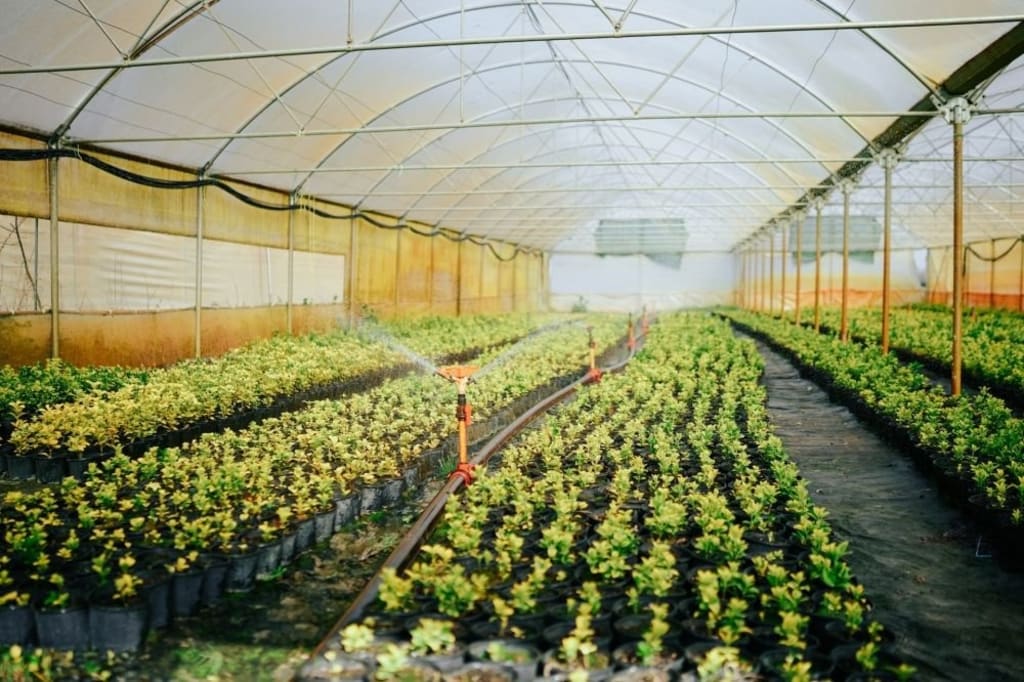
Agricultural films are specialized plastic materials used in farming to enhance crop growth, protect plants from environmental stress, and improve overall agricultural efficiency. These films are commonly applied in greenhouse coverings, mulching systems, silage protection, and tunnel farming structures. By regulating temperature, conserving soil moisture, and reducing weed growth, agricultural films help farmers achieve higher yields and better crop quality.
In Japan, agricultural films have become an important component of modern farming techniques. Limited arable land and the need for high agricultural productivity encourage farmers to adopt controlled cultivation methods. Greenhouse farming, precision agriculture, and protected horticulture systems increasingly rely on advanced film technologies to optimize growing conditions.
The Japan agricultural films market reached approximately USD 733.5 million in 2025 and is projected to grow to USD 1,208.1 million by 2034, exhibiting a compound annual growth rate (CAGR) of 5.70% during 2026–2034. Market growth is primarily driven by technological advancements in film production and the rising adoption of modern farming practices.
Request a Free Sample PDF for Detailed Market Insights
Role of Innovation in Market Development
- Advanced Film Materials and Performance
Modern agricultural films are engineered using materials such as polyethylene and ethylene vinyl acetate to deliver durability, flexibility, and optimal light transmission. These materials help regulate temperature and humidity inside cultivation environments, supporting plant health and consistent crop production.
- Sustainable and Biodegradable Alternatives
Environmental concerns surrounding plastic use are encouraging the development of biodegradable and recyclable agricultural films. New materials aim to reduce soil contamination while maintaining performance standards. Government sustainability initiatives and agricultural policies are accelerating the adoption of eco-friendly film solutions.
- Climate Control and Smart Cultivation
Agricultural films play a key role in greenhouse farming by controlling light exposure, temperature, and humidity. These controlled environments extend growing seasons and enable stable production even under changing climate conditions, making them valuable for high-value horticulture crops.
Japan Agricultural Films Industry Trends and Drivers
- Expansion of Protected Agriculture
Greenhouse and protected cultivation practices are expanding across Japan to maximize productivity within limited farmland. Agricultural films help create stable microclimates that improve crop yield and quality while reducing weather-related risks.
- Demand for Efficient Resource Management
Agricultural films support water conservation by reducing evaporation and maintaining soil moisture levels. This efficiency is particularly important in regions facing climate variability and rising resource management challenges.
- Shift Toward Sustainable Farming Practices
The agricultural sector is increasingly focused on sustainability and environmental responsibility. Farmers and producers are adopting biodegradable films and recyclable materials to align with national plastic reduction goals and eco-friendly farming strategies.
Japan Agricultural Films Market Segmentation
By Type
• Low-density polyethylene (LDPE)
• Linear low-density polyethylene (LLDPE)
• High-density polyethylene (HDPE)
• Ethylene vinyl acetate (EVA)
• Others
By Application
• Greenhouse films
• Mulching films
• Silage films
• Others
By Region
• Kanto Region
• Kansai / Kinki Region
• Chubu Region
• Kyushu–Okinawa Region
• Tohoku Region
• Chugoku Region
• Hokkaido Region
• Shikoku Region
This segmentation reflects how agricultural film usage varies based on material type, farming applications, and regional agricultural practices throughout Japan.
Competitive Landscape
The Japan agricultural films market includes material manufacturers, agricultural supply companies, and technology providers focused on improving crop productivity solutions. Competition is influenced by product durability, sustainability performance, and technological innovation.
Companies are investing in research and development to introduce films with enhanced UV protection, improved strength, and biodegradable properties. Strategic partnerships with agricultural cooperatives and farming organizations also support wider adoption.
About the Creator
Yoshio
Market Research Analyst with 5+ years of experience in consumer insights and market segmentation. Skilled in data analysis and qualitative research.
How Are Crypto Marketing Trends Reshaping Blockchain in 2026?
The blockchain and cryptocurrency ecosystem has evolved dramatically since its inception. In 2026, crypto marketing is not just about promoting a token or project; it has become a critical driver of blockchain adoption, community building, and long-term sustainability. With emerging trends, technologies, and strategies, crypto marketing is reshaping the way blockchain projects connect with users, investors, and the global audience. This blog explores how these trends are redefining blockchain growth and adoption in 2026.
By Jack santo5 days ago in 01
It's 2026. Songs Turning 10 This Year
In 2016, we saw the rise of short form videos and what would lead to the birth of TikTok. We cannot forget the Snapchat filters no matter how cringe worthy some of them might have been. It was also the year in which the hit series Stranger Things debuted.
By Jasmine Aguilar3 days ago in Beat




Comments
There are no comments for this story
Be the first to respond and start the conversation.