
How RWA Tokens Are Distributed in 2026: What Models Are Dominating the Market?
A Deep Dive into 2026’s Leading Token Distribution Models

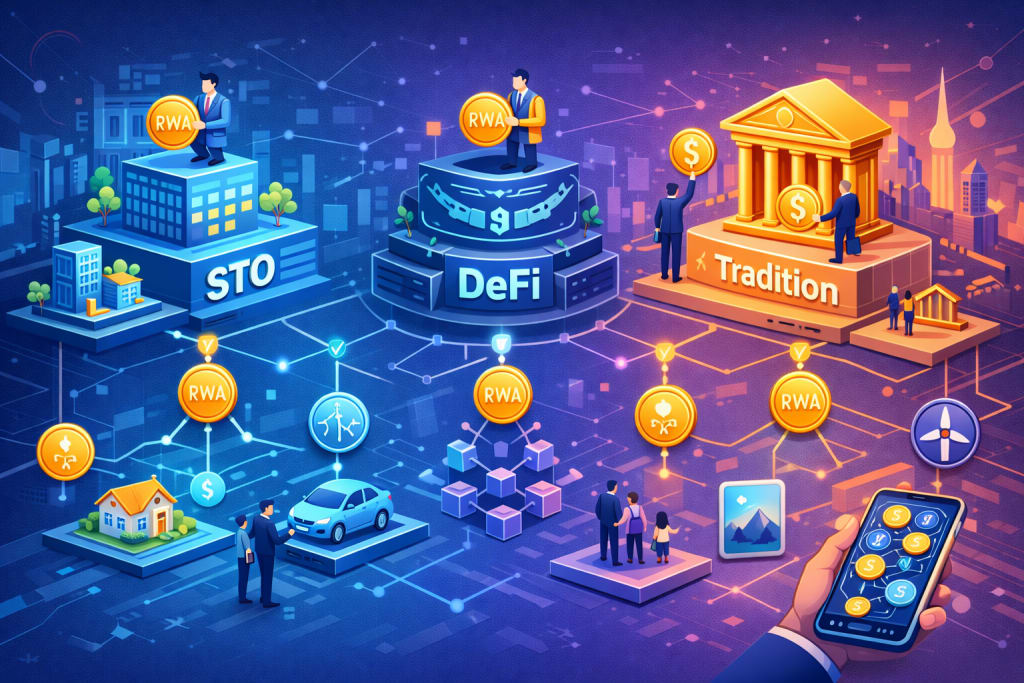
In 2026, Real World Asset Tokenization has moved beyond pilot programs and proof of concept initiatives. Financial institutions, private equity firms, real estate developers, commodity traders, and infrastructure funds are issuing digital tokens backed by tangible and financial assets at a pace that would have seemed unrealistic just a few years ago. While attention initially focused on compliance, custody, and valuation, distribution models have now become the decisive factor behind successful offerings.
RWA Tokenization no longer depends only on the technology used to digitize an asset. It depends on how those tokens reach investors, how liquidity is structured, how regulatory restrictions are handled across jurisdictions, and how secondary participation is supported. In many cases, the distribution design determines whether a Real world asset tokenization platform gains traction or fades into irrelevance.
This article examines how RWA tokens are distributed in 2026 and which models are currently dominating the market across institutional and retail segments.
From Private Placements to Structured Digital Distribution
In the early phase of RWA Tokenization, distribution largely mirrored traditional private placements. Sponsors relied on known investor networks, high net worth individuals, and institutional buyers. Tokenization was used mainly for operational efficiency rather than broad investor access.
By 2026, this pattern has shifted. Real World Asset Tokenization Services increasingly incorporate digital onboarding, automated compliance checks, investor tier segmentation, and programmable restrictions within smart contracts. A professional RWA Tokenization Company now treats distribution design as part of the product itself, not as an afterthought.
This shift has produced several dominant models that balance regulation, investor access, liquidity, and capital formation.
Model 1: Institutional-First Token Distribution
The most established model in 2026 remains institutional-first distribution. In this structure, asset-backed tokens are initially offered to banks, asset managers, pension funds, and regulated investment vehicles before any retail exposure.
This approach is common in real estate funds, infrastructure debt, renewable energy projects, and structured credit portfolios. A Real world asset tokenization platform company working in this space typically integrates with custodians, compliance providers, and regulated broker-dealers. Distribution channels include digital securities platforms, private banking networks, and regulated trading venues.
Institutional-first models dominate high-value offerings for three reasons. First, institutions provide larger ticket sizes. Second, regulatory clarity is easier to maintain when investor categories are restricted. Third, liquidity can be structured through negotiated secondary markets rather than open exchanges.
Many RWA token development initiatives now begin with this format before gradually expanding to a broader audience.
Model 2: Hybrid Institutional and Accredited Retail Access
The hybrid model has gained considerable traction in 2026. In this structure, tokens are first placed with institutions and accredited investors, then partially opened to qualified retail participants under jurisdiction-specific rules.
Real World Asset Tokenization Offerings using this method rely on digital identity verification, jurisdictional geofencing, and investor classification logic embedded within the token contract. A RWA tokenization development company implementing this model designs programmable transfer restrictions that reflect securities regulations in multiple countries.
This approach is particularly visible in tokenized real estate portfolios and private credit funds. Sponsors value the ability to raise capital from institutions while also allowing participation from smaller investors who meet defined thresholds.
Hybrid distribution often includes staggered unlock schedules, structured yield payouts, and periodic liquidity windows. As a result, tokens circulate within defined ecosystems without becoming unrestricted public instruments.
Model 3: Platform-Based Marketplace Distribution
By 2026, marketplace-based distribution has matured significantly. Specialized platforms aggregate multiple asset classes including real estate, commodities, private equity stakes, carbon credits, and trade finance receivables.
A rwa tokenization platform development company designing such marketplaces focuses on modular onboarding systems, investor dashboards, secondary trading modules, and asset performance reporting tools. These platforms function as curated digital marketplaces where issuers list tokenized assets and investors subscribe directly.
This model dominates mid-size issuances ranging from a few million to several hundred million dollars. The appeal lies in diversification. Investors can allocate capital across multiple tokenized assets within one regulated environment.
Real world asset tokenization platform development in this segment emphasizes compliance automation and multi-jurisdictional access controls. Tokens remain subject to regional securities laws, but distribution benefits from platform network effects.
Model 4: Bank-Led Distribution Channels
Traditional financial institutions have become significant participants in RWA Tokenization Services. Rather than competing with decentralized ecosystems, many banks now issue or distribute tokenized products within their digital wealth platforms.
In this model, the bank acts as distributor, custodian, and compliance gatekeeper. RWA token development projects targeting this channel integrate directly with banking APIs, settlement systems, and custody frameworks.
Distribution happens through digital private banking interfaces or institutional investment portals. Clients may not even interact with public blockchain infrastructure directly. The token remains in a permissioned environment controlled by the bank and its partners.
This model dominates high-value, low-risk asset classes such as government bonds, investment-grade credit, and regulated real estate funds. It provides comfort to conservative investors who prefer traditional institutions over open blockchain marketplaces.
Model 5: DeFi-Integrated Distribution Structures
A more dynamic distribution format involves integration with decentralized finance protocols. While regulatory constraints remain strict, certain jurisdictions allow tokenized real world assets to interact with on-chain liquidity pools under controlled conditions.
In 2026, selected Real World Asset Tokenization projects use compliant DeFi gateways where tokenized assets can serve as collateral or yield-generating instruments within regulated smart contract systems.
A Real world asset tokenization platform development company implementing this model typically embeds compliance layers directly into token logic. Wallet whitelisting, automated investor checks, and jurisdiction filtering mechanisms are standard.
Distribution in this context often begins with a primary issuance followed by partial liquidity on regulated DeFi venues. This approach appeals to digitally native investors seeking yield opportunities without exposure to purely speculative crypto assets.
However, this model remains more limited compared to institutional and hybrid formats due to regulatory complexity.
Model 6: Fractional Ownership and Retail Micro-Allocation
Fractional distribution has become one of the most visible outcomes of RWA Tokenization. High-value assets such as commercial buildings, luxury properties, art collections, and renewable energy facilities are divided into small token units accessible to retail investors.
Real World Asset Tokenization Services targeting this market prioritize user experience, simplified onboarding, and transparent performance reporting. Distribution often occurs via licensed investment apps or regulated crowdfunding-style platforms.
This model dominates consumer-facing tokenization initiatives. Ticket sizes may range from a few hundred to several thousand dollars, depending on jurisdictional limits.
A RWA Tokenization Company focusing on fractional ownership often partners with marketing agencies, wealth advisors, and fintech platforms to reach retail participants. Although regulatory compliance remains strict, technology now allows detailed investor segmentation and automated distribution control.
Model 7: Sovereign and Public Sector Distribution
In 2026, governments and public entities have begun experimenting with tokenized bonds, infrastructure participation units, and municipal debt offerings.
Distribution in this model typically follows existing government bond issuance processes but uses tokenized representations for settlement and record-keeping. Real world asset tokenization platform company solutions in this space are highly regulated and often built in collaboration with central banks or financial authorities.
Retail participation varies by country. Some sovereign token offerings are limited to domestic investors, while others attract international buyers through digital securities exchanges.
This model is gaining attention because it demonstrates institutional acceptance of tokenized financial instruments at the national level.
Role of Compliance in Distribution Architecture
Regardless of model, compliance dictates distribution structure. RWA Tokenization development in 2026 centers around programmable compliance features embedded at the token level.
Transfer restrictions, holding limits, lock-up schedules, investor accreditation verification, and jurisdiction-based controls are coded into the asset token itself. This reduces reliance on manual oversight and limits unauthorized transfers.
A rwa tokenization platform development company working in regulated markets must integrate legal advisory, identity verification providers, and transaction monitoring systems. Distribution cannot be separated from compliance infrastructure.
Projects that neglect this alignment face trading suspensions or regulatory penalties. As a result, distribution architecture is often designed in consultation with legal teams before any marketing begins.
Secondary Market Liquidity Structures
Primary issuance models matter, but secondary liquidity determines long-term viability. In 2026, three secondary distribution patterns dominate.
The first involves regulated digital securities exchanges where tokenized assets trade under existing financial market supervision. The second uses periodic liquidity windows within private marketplaces. The third combines bilateral over-the-counter transfers with smart contract-based settlement.
Real world asset tokenization platform development now includes integrated secondary trading modules. Liquidity is not always continuous, but structured access periods provide investors with exit pathways.
Projects offering predictable liquidity cycles attract more capital than those with indefinite lock-ups.
Geographic Trends in Distribution Dominance
Distribution dominance varies by region. In North America and Europe, institutional and hybrid models remain the most prevalent due to securities regulation. In parts of Asia and the Middle East, marketplace-driven and bank-supported tokenization initiatives are expanding rapidly.
Emerging markets show interest in fractional real estate and commodity-backed tokens. Real World Asset Tokenization Services operating globally must adapt distribution to local compliance standards and investor appetite.
A Real world asset tokenization platform development initiative that works in one jurisdiction may require structural adjustments elsewhere. Distribution models cannot simply be replicated without modification.
Technology Infrastructure Behind Modern Distribution
Modern RWA tokenization platform development involves layered architecture. Identity systems, compliance engines, custody integrations, smart contract frameworks, reporting modules, and investor dashboards must function together.
RWA token development in 2026 typically uses interoperable blockchain networks with enterprise-grade access control. Permissioned environments dominate institutional distribution, while public chain integrations are more common in fractional retail and DeFi-adjacent models.
The distribution logic often includes automated dividend or yield payments, performance tracking, and tax documentation modules. Investors expect digital access to detailed asset data rather than periodic PDF reports.
A RWA tokenization development company must coordinate legal, technical, and financial expertise to construct such systems effectively.
Capital Formation Patterns in 2026
Capital formation through RWA Tokenization is no longer experimental. Large asset managers now consider tokenized issuance as one capital-raising channel among several.
Institutional investors increasingly request tokenized formats for operational efficiency. Settlement times, reporting transparency, and cross-border access improve relative to traditional paper-based instruments.
Distribution models that combine institutional placement with structured secondary trading have raised billions in aggregate across multiple asset classes. Real world asset tokenization platform company operators report growing demand for standardized issuance frameworks.
Retail-focused offerings remain smaller in aggregate capital volume but significant in investor participation numbers.
The Dominant Models in 2026
When assessing dominance in 2026, three distribution models stand out.
Institutional-first distribution leads in total capital raised. Hybrid institutional and accredited retail models rank second in both volume and growth rate. Platform-based marketplace distribution dominates mid-tier issuances and cross-asset diversification strategies.
DeFi-integrated and purely retail fractional models remain important but represent smaller shares of total tokenized asset value compared to regulated institutional channels.
The reason is straightforward. Regulatory clarity and investor protection frameworks favor structured distribution environments. Capital concentration still resides largely within institutional networks.
Conclusion: Distribution as Competitive Advantage
In 2026, Real World Asset Tokenization is no longer defined only by asset digitization. It is defined by how tokens are distributed, who can access them, how compliance is maintained, and how liquidity is structured.
A RWA Tokenization Company entering this space must treat distribution architecture as a strategic decision rather than a marketing detail. RWA Tokenization Services that combine regulatory alignment, flexible investor segmentation, and structured liquidity pathways are capturing the majority of market share.
Real world asset tokenization platform development now centers around programmable compliance, controlled marketplace access, and integration with financial institutions. RWA tokenization development company teams that understand both technology and securities law are positioned to capture long-term demand.
The dominant models in 2026 reflect a balance between innovation and regulation. Institutional-first, hybrid, and marketplace-driven formats lead the market. As regulatory frameworks mature and investor familiarity increases, distribution structures will continue to refine. For now, the projects that align capital access with legal certainty are setting the pace in the expanding RWA Tokenization landscape.
About the Creator
Ethan hunt
Ethan is a blockchain and Web3 specialist focused on building decentralized ecosystems that enhance transparency, security, and global accessibility.
Keep reading
More stories from Ethan hunt and writers in 01 and other communities.
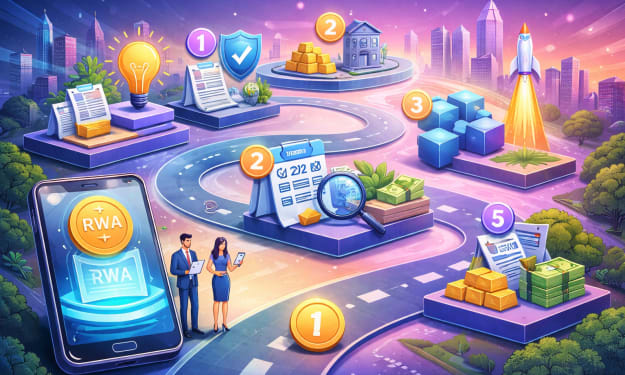
Step-by-Step Guide to Launching an RWA Token in 2026
In 2026, the financial and digital asset landscape continues to evolve as enterprises and startups look beyond purely speculative crypto assets. One of the most discussed areas is Real World Asset Tokenization. From real estate and private equity to commodities and receivables, physical and financial assets are being represented on blockchain networks through RWA Tokenization models.
By Ethan hunt5 days ago in 01
How to Improve Your Online Visibility and Attract More Customers to Your Local Business
In today’s digital world, having a strong online presence is essential for any business that wants to grow and stay competitive. Customers no longer rely solely on word-of-mouth or traditional advertising. Instead, they search online to find products, services, and solutions that meet their needs. If your business does not appear in search results, you could be missing valuable opportunities.
By Kashif Khan8 days ago in 01
Best Cheap Cars in UAE 2026: Your Smart Buyer's Guide
The real challenge lies in balancing upfront costs with long-term expenses like maintenance, fuel efficiency, and resale value. Essentially, a truly affordable vehicle performs well under the UAE's demanding climate while keeping your total ownership costs low.
By Sarath Menon3 days ago in 01
'Till Death We Do Art
There would be nothing divine in this world without art. Nature may surpass the divine to all intents and purposes, but like everything it absorbs and is absorbed by, it remains here, stuck on the surface of this world, ever-present, physically bound to the universe.
By Avocado Nunzella BSc (Psych) -- M.A.P 6 days ago in Art


Comments
There are no comments for this story
Be the first to respond and start the conversation.