
Love Is Folly 2016
Between Cinema, Education and Memory

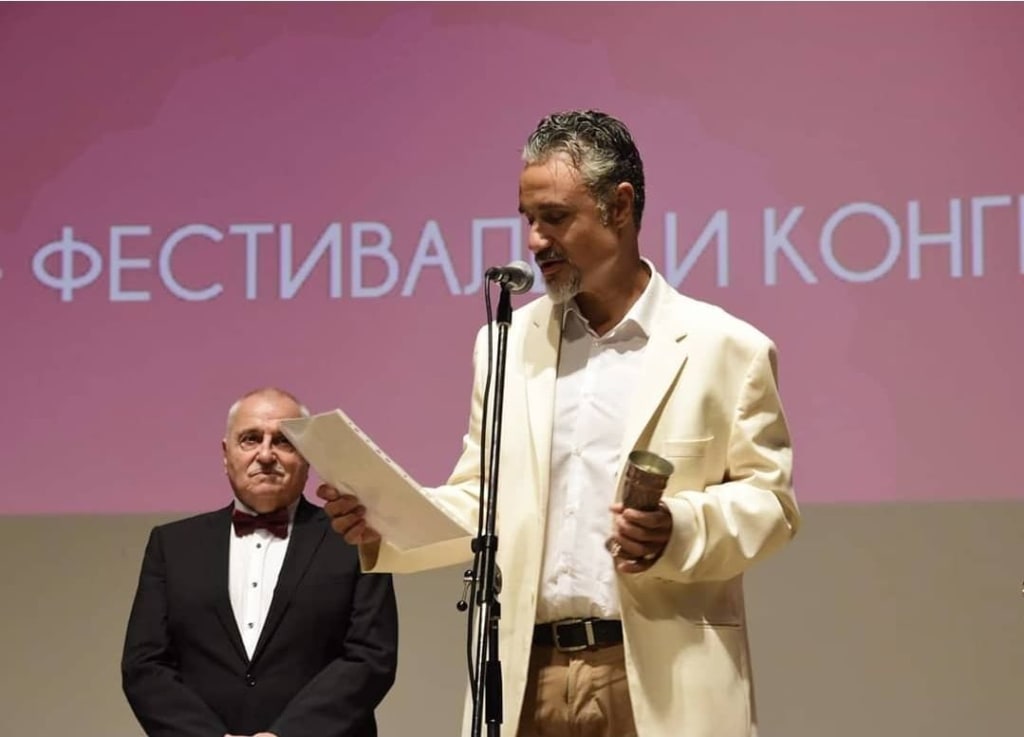
Love Is Folly 2016: Peter Ayolov Between Cinema, Education and Memory
In 2016, at the International Film Festival Love Is Folly in Varna, Dr Peter Ayolov—lecturer in screenwriting at Sofia University St. Kliment Ohridski and author of the book Медийният сценарий (2026)—was invited to serve as a member of the festival jury. His participation marked not only a professional recognition of his work in media and narrative theory, but also placed him at the intersection of Bulgarian cinematic history and contemporary film education.
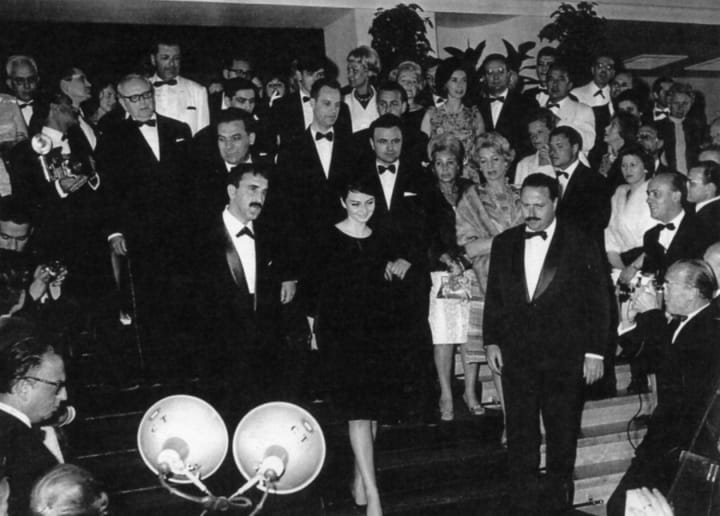
That year’s edition of the festival became especially significant because it included a presentation connected to one of the great figures of Bulgarian cinema, Nikola Korabov—literally months before his death. Korabov’s landmark film Тютюн (Tobacco), a 1961 drama based on the novel by Dimitar Dimov, remains one of the most important adaptations in Bulgarian film history. The film was selected for the Cannes Film Festival programme in 1963, where Korabov and the actress Nevena Kokanova attended in person, alongside international stars such as Tippi Hedren and Alfred Hitchcock, who were presenting The Birds.
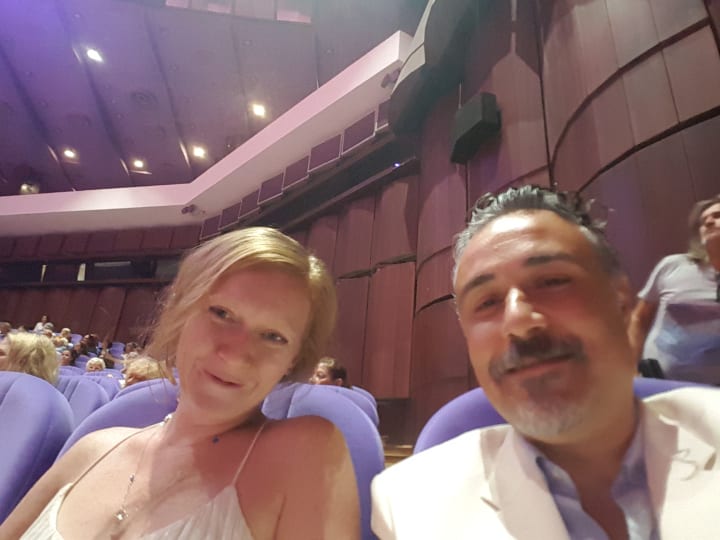
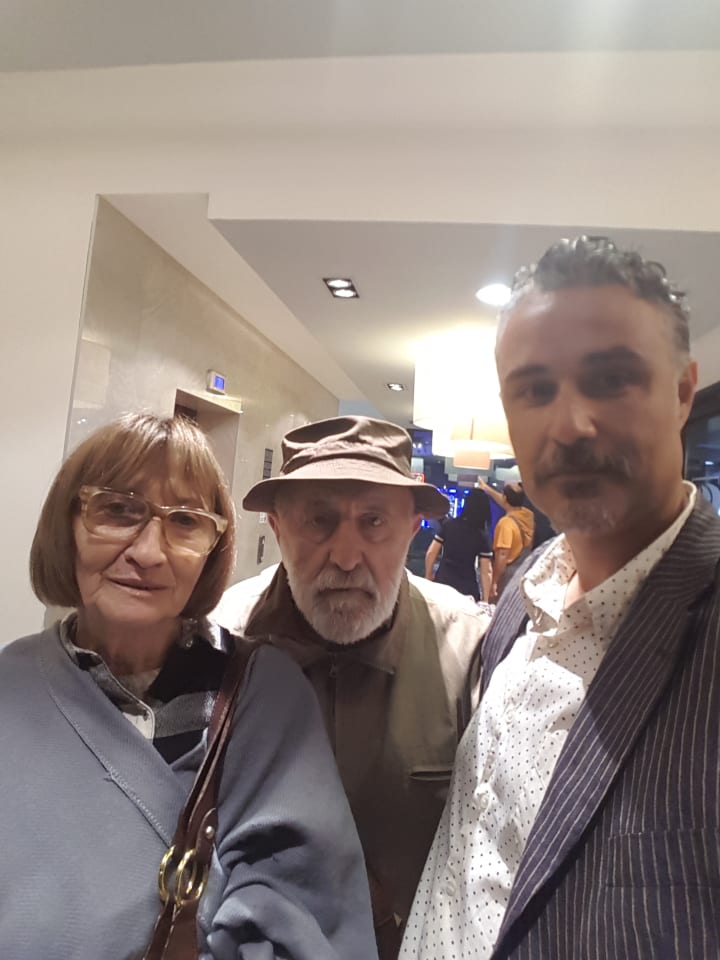
Ayolov’s presence at Love Is Folly in 2016 thus symbolically linked generations: from the golden era of Bulgarian cinema to new emerging voices. As part of the jury’s activities, he presented the “Bitter Cup” award of the Faculty of Journalism at Sofia University—an award created by the director and lecturer Valchan Valchanov. The prize was awarded to the film Никой (Nobody), directed by the talented Andrey Andonov.
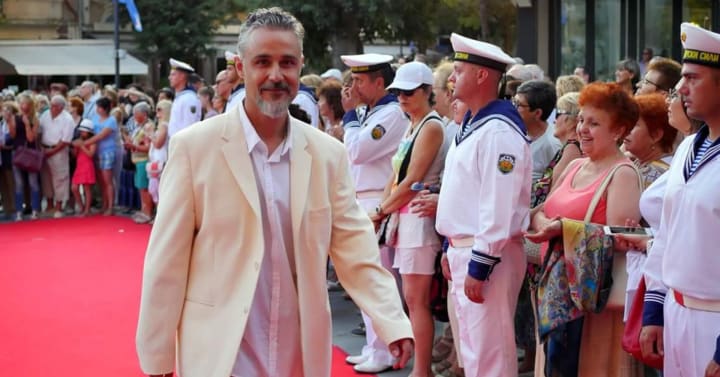
The performances of Gergana Pletnyova and Silvia Petkova were honoured with the award for Best Actress. The actresses—one associated with the Varna theatre troupe and the other with Theatre Sofia—won over the jury in the sea capital with their compelling performances in Nobody. In presenting the award, Ayolov emphasised the importance of narrative courage and emotional precision in contemporary Bulgarian cinema—qualities that connect the tradition of directors like Korabov with the aspirations of the new generation.
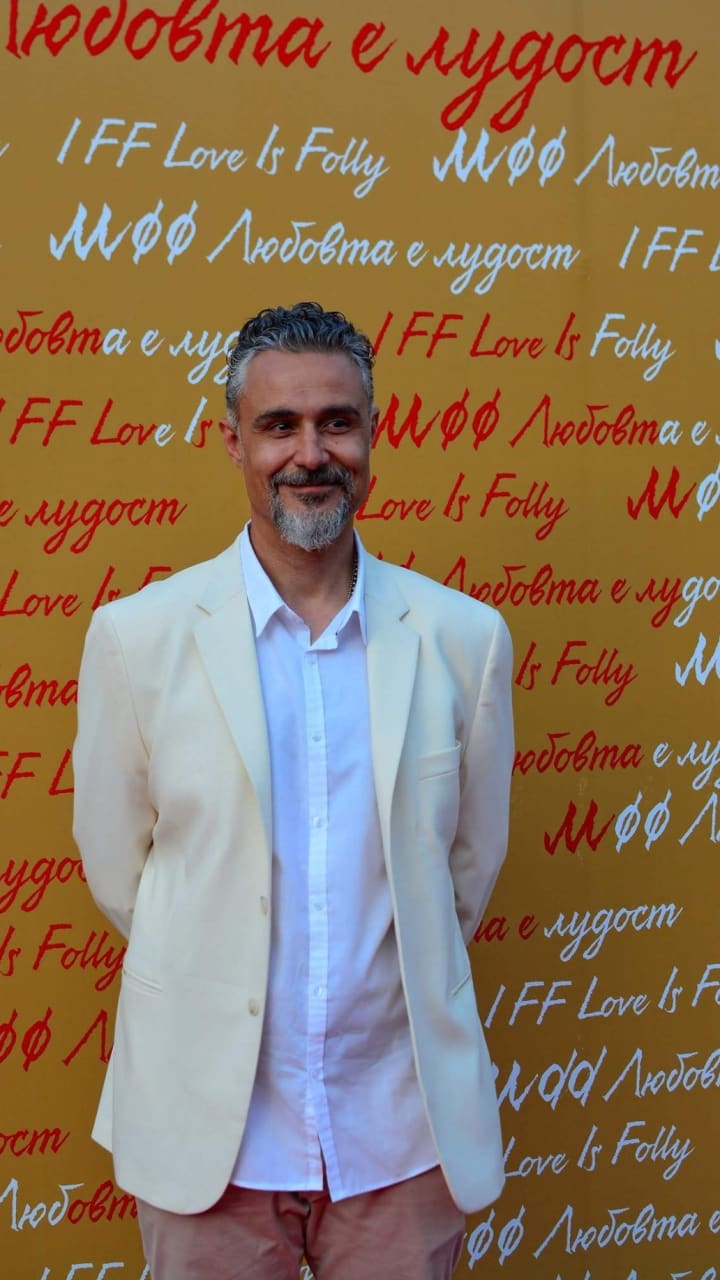
Beyond his jury role, Ayolov was actively engaged in educational initiatives within the framework of the festival. During Love Is Folly 2016, he led a course for young screenwriters at the Festival and Congress Centre in Varna. The course was designed not merely as a workshop in technical scriptwriting, but as a laboratory for narrative thinking—introducing participants to structural dramaturgy, character construction and the ethics of storytelling in media culture.
The same year, Ayolov also conducted a Summer Academy for young screenwriters connected to Camp Golden Gate in the resort of Albena. The programme was part of an international American summer initiative for students aged 10 to 18. Traditionally held at bases such as the children’s camp “Brigantina” in Albena, the academy integrated creative writing, performance and audiovisual storytelling into a unified pedagogical model.
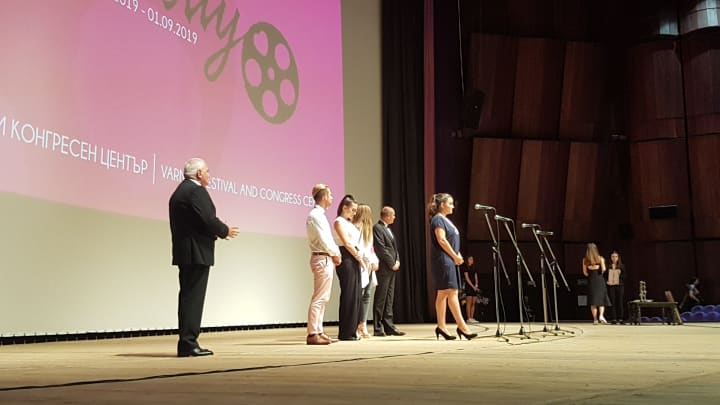
During this summer programme, a youth-themed screenplay was developed collaboratively by participants. The project later evolved into a youth television series produced in cooperation with Alma Mater TV, the television channel of Sofia University. This practical transformation—from script to screen—illustrated Ayolov’s central methodological principle: that screenwriting must be experienced as a dynamic process connecting imagination, collective work and media production.
The core characteristics of the training he implemented include interdisciplinary dialogue, emphasis on narrative responsibility, and the understanding of media storytelling as both artistic expression and social act. In Varna and Albena alike, Ayolov’s work combined festival culture with academic rigour and youth engagement.
These activities in 2016 represent a formative stage in the development of his pedagogical system in screenwriting—a system later conceptualised and expanded in his book Медийният сценарий (2026). There, the screenplay is treated not only as a technical blueprint for film production, but as a structuring device of media reality itself.
At Love Is Folly 2016, Peter Ayolov stood simultaneously as juror, presenter, educator and mediator between generations. His participation connected the memory of Bulgarian cinematic classics with contemporary film practice and emerging creative voices. In doing so, he reaffirmed a key principle that underlies his broader academic and creative work: that narrative is not simply told—it is cultivated, transmitted and continually reinvented within institutions, festivals and classrooms alike.
About the Creator
Peter Ayolov
Peter Ayolov’s key contribution to media theory is the development of the "Propaganda 2.0" or the "manufacture of dissent" model, which he details in his 2024 book, The Economic Policy of Online Media: Manufacture of Dissent.
Keep reading
More stories from Peter Ayolov and writers in Art and other communities.
“Share Yourself (!)”
SHARE YOURSELF (!) It was the time after the Covid lockdowns, when the city reopened but many people did not quite return to their own lives. The story that follows was born from that atmosphere, where silence became habit and solitude learned to speak in a human voice.
By Peter Ayolovabout 20 hours ago in Art
'Till Death We Do Art
There would be nothing divine in this world without art. Nature may surpass the divine to all intents and purposes, but like everything it absorbs and is absorbed by, it remains here, stuck on the surface of this world, ever-present, physically bound to the universe.
By Avocado Nunzella BSc (Psych) -- M.A.P 6 days ago in Art
Best Artwork by Joan Miró
Spanish artist Joan Miró got his artistic education at the Royal Academy of Fine Arts of San Jorge. The artist’s early artworks were inspired by Fauvism and Cubism. After a trip to Paris, his style of art would become synonymous with whimsy, symbolism, and a strong connection to his Catalan roots.
By Rasma Raisters2 days ago in Art



Comments
There are no comments for this story
Be the first to respond and start the conversation.