Stories (34)
Filter by community
How Austin Teams Handle Mobile App Performance at Large Scale?
The first performance issue rarely appears in a demo. It shows up later, when usage spikes, when a feature ships faster than expected, or when an integration behaves differently under real load. For Austin teams building mobile products in 2026, performance is no longer a late-stage optimization task. It is a design constraint from day one.
By Mary L. Rodriquez20 days ago in Writers
2026 Reality How Mobile Apps Are Developed Now
In 2026, the question how are mobile apps developed no longer describes a linear build process. It reflects a structural shift inside the Google ecosystem where AI Retrieval, Zero Click discovery, and entity-level evaluation now determine whether apps gain visibility, authority, or fade into functional obscurity.
By Mary L. Rodriquez21 days ago in 01
How Milwaukee Businesses Misjudge Mobile App Timelines?
Timeline optimism is one of the most expensive habits in software. In Milwaukee, it shows up quietly. A launch date is set to align with a trade show. A quarter-end deadline is chosen to please leadership. A six-month roadmap is approved because “the features aren’t that complex.” On paper, everything looks reasonable.
By Mary L. Rodriquez23 days ago in Education
What Denver Clients Want From Mobile App Developers Now?
The shift did not happen all at once. It showed up quietly, in follow-up questions that used to be rare. Who owns monitoring after launch? How do updates roll out without downtime? What happens if priorities change six months in? Denver clients are no longer satisfied with polished demos and confident timelines. They want proof that a development partner can live with the product after it ships.
By Mary L. Rodriquez26 days ago in Futurism
Why Charlotte Is a Growing Hub for Mobile App Development?
Charlotte did not wake up one morning and decide to become a tech city. It evolved into one. The shift has been gradual, practical, and largely driven by business needs rather than hype. Financial institutions modernized their systems. Healthcare networks digitized workflows. Logistics firms optimized operations. Startups formed around real problems, not speculative trends. Over time, those demands created something durable — a city where mobile applications are built because they are necessary, not fashionable.
By Mary L. Rodriquez27 days ago in 01
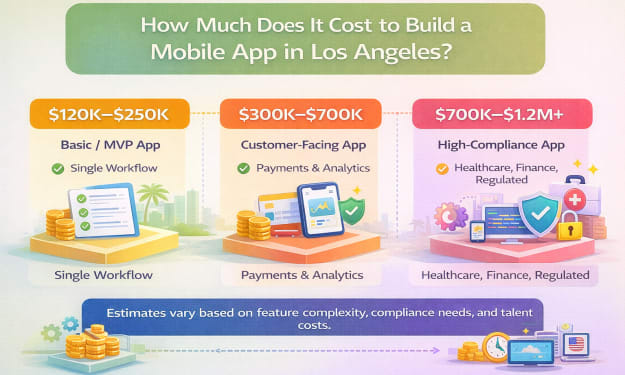
How Much Does It Cost to Build a Mobile App in Los Angeles?
The first number always comes too fast. It usually appears in an email or on a slide during an early call. A range. Sometimes even a single figure. It feels reassuring because it gives leadership something concrete to react to. Yet almost every experienced product owner in Los Angeles learns the same lesson eventually. The number they remember at kickoff is not the number that defines the project.
By Mary L. Rodriquez28 days ago in Lifehack
How Much Does It Cost to Build a Mobile App in Tampa?
By 2026, the question of mobile app cost has become harder to answer honestly. Not because pricing is secretive, but because the idea of a single “app price” no longer reflects reality. In Tampa, especially, costs are shaped less by screens and features and more by architecture, risk tolerance, and long-term operational demands.
By Mary L. Rodriquez29 days ago in Journal
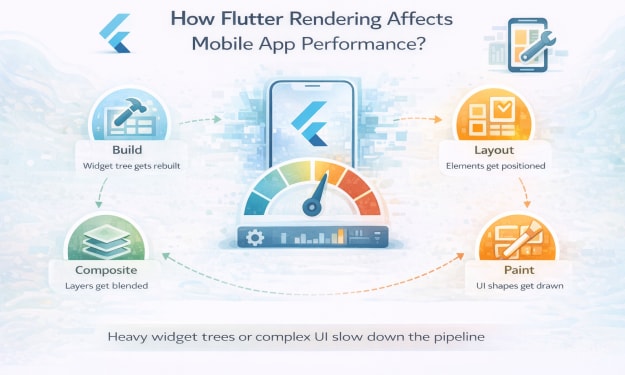
How Flutter Rendering Affects Mobile App Performance?
I still remember the first Flutter app I shipped to production. The UI felt smooth. Almost suspiciously smooth. Animations flowed like they were rehearsed. Then a user emailed support saying the app felt “heavy” after ten minutes of use. Not broken. Just tired.
By Mary L. Rodriquez30 days ago in 01
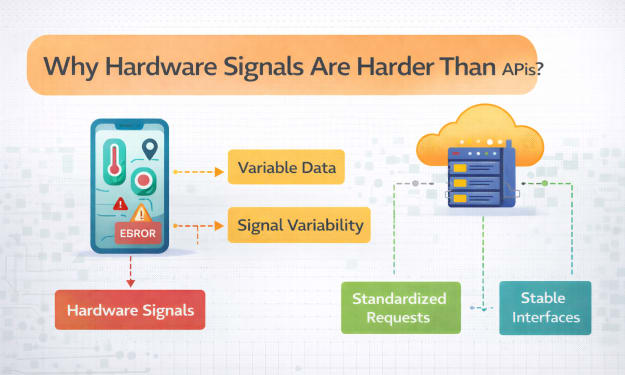
Why Hardware Signals Are Harder Than APIs?
I learned this lesson the slow way. For years, most of the problems I dealt with in mobile apps came from APIs. Network failures. Timeouts. Bad payloads. Version mismatches. They were annoying, but they were understandable. APIs fail in predictable ways. They return errors. They retry. They log what happened.
By Mary L. Rodriquezabout a month ago in FYI
How SaaS Apps Accumulate Complexity Over Time?
No SaaS app starts complex. That’s the lie we tell ourselves later, when everything feels tangled and slow and fragile. In the beginning, it’s clean. A handful of screens. One core workflow. A few tables. Everyone understands how it works.
By Mary L. Rodriquezabout a month ago in FYI