Zahid Hussain
Stories (114)
Filter by community
Trump Administration Latest: Partial Government Shutdown to Continue Until at Least Tuesday. AI-Generated.
The United States federal government has entered a partial shutdown that is now expected to last at least through Tuesday, as lawmakers in Congress remain deadlocked over funding and policy conditions tied to a broad spending package. Despite negotiations and bipartisan efforts, key disagreements — particularly over Department of Homeland Security (DHS) and immigration enforcement funding — have prevented a final funding bill from clearing both chambers of Congress. � BERNAMA +1 This shutdown, while shorter and narrower than the historic one in 2025, nonetheless reveals deep political divisions inside the U.S. government — divisions that may shape American politics and public services well beyond the next few days. How We Got Here: The Deadline and the Funding Gap On Friday, January 30, 2026, the U.S. Senate passed a bipartisan government funding deal aimed at keeping most federal agencies operating through the fall and extending funding for DHS for two weeks while negotiators debate potential changes to immigration enforcement policy. That Senate vote was 71–29 in favor of the package. � euronews However, because the Senate’s version of the legislation differed from what the House of Representatives had previously passed — and because the House was not in session in time — the House did not vote on the bill before funding expired at midnight Saturday. As a result, funding for several government agencies lapsed and a partial shutdown began. � Wikipedia House Speaker Mike Johnson (R-Louisiana) has repeatedly expressed confidence that the shutdown will end by Tuesday, when the chamber is scheduled to resume work and could take up the Senate bill or a revised version thereof. But as of the latest reporting, no final vote has yet been scheduled, meaning the shutdown will extend into early next week. � The Washington Post +1 What’s in the Senate Funding Deal — and Why It Didn’t Pass Immediately The Senate’s funding deal was designed as a stopgap measure to avert a prolonged shutdown: It would fund most of the federal government — including major departments such as Defense, Labor, Health and Human Services, Education, Transportation, and HUD — through the rest of fiscal year 2026. It carves out DHS funding and extends it only for two additional weeks, a short period intended to allow more time for negotiation over reforms to the agency’s immigration enforcement practices. � euronews The focus on DHS arose after controversial immigration enforcement operations, including shootings by federal agents in Minneapolis that killed two U.S. citizens, spurred intense debate over how agencies like Immigration and Customs Enforcement (ICE) and Customs and Border Protection (CBP) operate. � CiberCuba Despite the Senate majority backing the measure, the House — which holds a narrow Republican majority — faced internal and cross-party resistance. Some conservative Republicans and House Democrats objected to parts of the plan, particularly the short DHS extension without tougher oversight. As a result, funding lapsed before the House could act. � New York Post Why the Shutdown Continues Until Tuesday Even though funding ran out, lawmakers hope the shutdown will be relatively short. Here’s why it’s expected to stretch into Tuesday: Timing of the House session: The House was in recess over the weekend and did not return until Monday, meaning a vote could not be held in time to prevent the initial lapse. � Reuters Procedural hurdles: Speaker Johnson has indicated that procedural rules in the House — especially around a narrow Republican majority and some internal disagreement — mean the funding package may not be ready for a floor vote until Tuesday at the earliest. � euronews Democratic demands: House Democrats have stated they will not simply “lend votes” to pass the deal unless certain reforms — especially on DHS and immigration enforcement — are addressed in the legislation. � Axios Taken together, these factors make a reopening of government early in the week more likely than over the weekend. But as with many shutdowns in recent U.S. history, the exact end time remains uncertain until a final vote is cast and the president signs the funding bill. Which Parts of Government Are Affected? In a partial shutdown, not all federal functions halt. According to federal guidelines: Likely Affected Agencies The current shutdown affects agencies that had not been fully funded when appropriations expired — a list that includes departments like: State Treasury Defense (certain non-essential functions) Transportation Housing and Urban Development Health and Human Services Labor Education Homeland Security beyond the short extension status � Wikipedia Essential Services That Continue Some agencies and functions continue to operate under existing law, including: Veterans Affairs programs Medicare and Social Security benefits Select operations at Commerce, Justice, and Energy Departments Certain military and defense activities Independent agencies like NASA and the National Science Foundation � Wikipedia Federal workers and contractors in “essential” roles may be required to continue working without pay until funding is restored. Who Works Without Pay — And Who Is Furloughed? Under typical shutdown rules, the Office of Management and Budget (OMB) issues guidance to agencies: Excepted employees (essential): Workers whose functions are essential to protect life and property continue to work without pay. Non-excepted employees: Workers whose duties are not deemed essential may be furloughed — placed on temporary unpaid leave — until funding is restored. � CiberCuba This mix of continuing operations and furloughs creates uncertainty for millions of federal workers and contractors, though it’s worth noting that many benefits and services — such as Social Security and mail delivery — continue despite a lapse in funding. Political Dynamics: Republican Unity and Democratic Demands Republican Strategy Speaker Johnson and House Republicans are trying to navigate a narrow majority while balancing internal factions. Johnson has signaled confidence that he can secure enough Republican votes to pass the funding package by Tuesday — even if some conservative members have qualms about parts of the Senate deal. � Reuters Johnson has framed the strategy as working with President Trump’s request to scale back certain controversial elements of immigration enforcement, while preserving core funding priorities for Republican lawmakers. � Axios Democratic Stance House Democrats, led by Minority Leader Hakeem Jeffries, have resisted supporting the funding package unless it includes meaningful reforms to DHS and ICE, such as: Mandatory body cameras for immigration officers Visible identification requirements Limits on warrantless enforcement actions Independent oversight of controversial practices � euronews Democrats argue these reforms stem from concerns over civil liberties and the recent deaths during federal operations in Minneapolis. They say funding the agency without reform would endorse current policies they find troubling. � CiberCuba Trump Administration’s Position President Donald Trump has backed the Senate-approved funding deal and urged Congress to act quickly to end the shutdown. According to reporting, Trump agreed to a strategy focused on isolating the Homeland Security funding piece to allow negotiations over immigration policy to proceed separately, rather than letting the entire government’s funding hinge on the debate. � euronews The White House has also signaled support for bipartisan cooperation on appropriations, even as public disagreements over policy demands persist. What It Means for the Public and Federal Services Even short shutdowns can have measurable impacts: Economic Effects Markets may respond negatively to uncertainty over government funding, especially if shutdown news collides with other economic reports or weak confidence data. In the past, prolonged shutdowns have weighed on GDP growth and consumer sentiment. � CiberCuba Federal Workers Millions of federal employees may face delayed paychecks or uncertainty about their work schedules. Even if a shutdown ends quickly, retroactive pay typically requires separate legislative approval. Public Services Services tied to funded agencies could see disruptions — for example: IRS processing delays National Parks closures or limited access Reduced permitting and licensing services However, many core benefits remain unaffected. � Wikipedia A Short Shutdown in a Long Trend While the current partial shutdown is expected to be brief — lasting only until at least Tuesday — it is part of a broader trend of repeated funding stalemates in recent years. Earlier in the 2025 fiscal cycle, the U.S. experienced a record-long 43-day shutdown, illustrating how challenging bipartisan agreement has become. � fr.wikipedia.org Unlike that longer closure, this recent shutdown affects a narrower slice of government operations and may not generate as many dramatic service interruptions. But even short shutdowns underscore the fragility of U.S. budget politics and the difficulty of reaching consensus on complex policy priorities. What Happens Next: Road to Tuesday With lawmakers back in session this week, attention now turns to the House floor vote on the Senate-approved funding package or a modified version of it. If passed, the bill would immediately restore funding to shuttered agencies and likely include reconciliation over DHS reforms in the coming two weeks. If the House fails to pass the measure, lawmakers face a choice of further delaying, rewriting parts of the deal, or negotiating new terms — each carrying political risk and potential public frustration. Conclusion: Shutdown by Deadline, Solution in Sight The partial government shutdown that began over the weekend is now expected to continue until at least Tuesday, as House leaders work to bring a funding package to the floor, navigate internal party disagreements, and respond to Democratic demands for policy reforms tied to immigration enforcement. Majority and minority leaders have described the impasse as a matter of negotiation that could soon be resolved, but for now, federal agencies continue under a funding lapse, and workers and the public wait for Congressional action. Whether the shutdown will be brief or stretch longer depends on negotiations this week and the willingness of lawmakers to compromise — a test of U.S. governing institutions amid a deeply polarized political climate.
By Zahid Hussain18 days ago in The Swamp
The Smell of Fuzz. AI-Generated.
There is a smell that doesn’t come from flowers or rain or burning wood. It doesn’t rise from kitchens or factories or forests. It isn’t visible, yet everyone recognizes it the moment it appears. It hangs heavy in the air, sharp and unmistakable. It tightens the chest, slows the steps, and makes conversations suddenly quieter. People call it many things. Oppression. Surveillance. Fear. But on the street, in whispers and jokes, it has another name. The smell of fuzz. This smell appears long before sirens wail or boots hit the ground. It shows up before questions are asked, before doors are knocked, before anyone says, “You’re under arrest.” It’s the invisible signal that authority is nearby — watching, listening, waiting. And once you learn to recognize it, you never forget it. What Does “The Smell of Fuzz” Really Mean? At its simplest, “the fuzz” is slang for law enforcement. But the smell of fuzz isn’t about police cars or uniforms. It’s about presence without permission. It’s the feeling that someone else controls the space you’re standing in. You feel it when: A peaceful protest suddenly goes quiet Conversations lower their volume mid-sentence People instinctively check their phones, bags, and pockets Jokes stop being funny The smell of fuzz isn’t always tied to wrongdoing. Often, no crime is being committed at all. That’s what makes it powerful — and unsettling. It’s not about guilt. It’s about power. Fear Has a Scent Humans have evolved to detect danger without seeing it. Long before laws and governments, our ancestors learned to sense predators, storms, and threats through subtle changes in their environment. Today, the predator isn’t a wild animal. It’s uncertainty. The smell of fuzz is the modern equivalent of rustling bushes in the dark. Your brain asks the same ancient question: “Am I safe right now?” Even people who respect the law, even those who have never been arrested, feel it. Because fear doesn’t require wrongdoing — it only requires imbalance. Why Silence Follows Authority One of the strangest things about the smell of fuzz is how quickly it changes behavior. Laughter fades. Opinions soften. Truth becomes careful. People don’t stop talking because they are guilty. They stop talking because being misunderstood carries consequences. In many societies, authority doesn’t need to act harshly to be effective. It only needs to be present. The possibility of punishment is often more powerful than punishment itself. That’s why the smell lingers. The Thin Line Between Safety and Control Supporters of strong law enforcement argue — often correctly — that police presence can prevent crime, protect communities, and maintain order. Streets without rules can quickly become dangerous. But there’s a difference between safety and intimidation. Safety feels calm. Control feels tense. When authority reassures, people relax. When authority dominates, people withdraw. The smell of fuzz appears when the balance tilts too far toward control — when protection begins to feel like surveillance. Who Smells It First? Not everyone experiences the smell of fuzz equally. For some, it’s faint. For others, it’s overwhelming. History shows that marginalized communities often smell it first and strongest. People who have been stopped, searched, questioned, or targeted before develop a sharper sensitivity. To them, authority doesn’t represent neutrality. It represents memory. Memory of: Being assumed guilty Being watched without reason Being treated as a suspect before a citizen Once fear has a history, it returns faster. The Smell in the Digital Age Today, the smell of fuzz isn’t limited to streets and crowds. It has entered the digital world. You feel it when: Posts are deleted without explanation Accounts are shadow-banned Messages feel unsafe to send Algorithms quietly decide what is “acceptable” No sirens. No uniforms. No visible force. Yet the silence is the same. Digital authority doesn’t knock on doors — it reshapes reality. It decides what is seen, what is hidden, and what disappears. And yes, it has a smell too. When Protection Becomes Performance There’s another layer to the smell of fuzz: performance. Sometimes authority isn’t present to protect — it’s present to be seen. Riot gear at peaceful gatherings. Armored vehicles on quiet streets. Aggressive postures where none are required. This kind of presence sends a message, intentional or not: “We are in charge. Don’t forget it.” The smell intensifies not because of danger, but because of theatrics. Why People Joke About It Humor is a survival tool. When people joke about “the fuzz,” they’re not being disrespectful — they’re reclaiming a small piece of control. Laughter weakens fear. Nicknames shrink authority to something manageable. But jokes also reveal truth. If authority felt universally fair and humane, it wouldn’t need a slang name whispered under breath. Can the Smell Be Washed Away? Yes — but not easily. The smell of fuzz fades when trust replaces fear. When authority is transparent, accountable, and human, its presence feels different. Trust grows when: Questions are answered, not punished Power is explained, not imposed Mistakes are acknowledged, not denied Communities are partners, not targets When people believe they will be treated fairly, the air changes. Listening Changes the Air The most powerful antidote to the smell of fuzz isn’t force — it’s listening. When authority listens, people speak. When people speak, fear loosens. When fear loosens, trust can grow. Listening doesn’t weaken authority. It legitimizes it. Why This Conversation Matters Some will say: “If you’re not doing anything wrong, you have nothing to fear.” History disagrees. Many of the world’s darkest chapters were written under systems where “doing nothing wrong” offered no protection. Rights exist precisely because innocence alone is not enough. The smell of fuzz reminds us of that truth. The Smell as a Warning System Rather than dismiss it, we should treat the smell of fuzz as a signal — not of criminality, but of imbalance. When people feel watched instead of protected, something needs attention. When silence replaces dialogue, something is broken. Ignoring the smell doesn’t make it disappear. It only makes it stronger. A Different Kind of Presence Imagine authority that smells like: Calm instead of tension Confidence instead of dominance Service instead of control That kind of presence exists in some places. It proves the smell of fuzz is not inevitable — it’s a result of choices. Choices about tone. Choices about power. Choices about humanity. Final Thoughts: Naming the Smell Matters To name something is to acknowledge it. “The smell of fuzz” is more than slang. It’s a shared human experience, a quiet understanding passed through generations. It tells us when power feels heavy and trust feels thin. If we want safer societies, we must aim not just for order — but for dignity. Because the best kind of authority doesn’t announce itself with fear. It walks in quietly… and the air stays easy to breathe.
By Zahid Hussain18 days ago in The Swamp
Modi Takes Aim at Trump Threats With Budget to Shield India. AI-Generated.
In a dramatic response to tariff threats and trade pressure from U.S. President Donald Trump, Indian Prime Minister Narendra Modi and Finance Minister Nirmala Sitharaman unveiled the 2026–27 Union Budget on Feb. 1, 2026, prioritising strategic protection for India’s economy in a shifting global order. � finance.yahoo.com +1 The budget—often described as a shield-building exercise for India’s economy—comes as ongoing U.S.–India trade tensions escalate, including steep U.S. tariffs imposed on Indian goods and the risk of more punitive measures that could hit everything from textiles to manufactured exports. � finance.yahoo.com Tariff Challenges From the U.S. Since 2025, the Trump administration has leveraged tariffs as a tool of trade policy, imposing duties on Indian imports—particularly in labour-intensive sectors—and reportedly even asked the European Union to join in punitive tariffs on India and China. � www.ndtv.com Although neither leader names the other when discussing trade policy in official speeches, India’s budget strategy was clearly shaped by these external pressures. That includes U.S. tariffs—some targeted at India’s purchases of Russian oil and other strategic imports—which have dented competitiveness for Indian farmers and exporters alike. � arcamax.com Budget Focus: Economic Resilience and Strategic Investment 1. Boost for Exporters and Strategic Sectors The budget includes measures aimed directly at countering tariff impacts and supporting exporters: Targeted relief for sectors hit hardest by U.S. tariffs, especially labour-intensive industries like textiles and furniture. Duty exemptions and incentives designed to make Indian exports more competitive abroad. Expansion of support for rare earths, semiconductors, biopharmaceuticals, and critical minerals—sectors central to future global supply chains. � arcamax.com +1 2. Strong Infrastructure and Modernisation Push India’s 2026–27 budget also allocates record funding toward long-term growth drivers: A nearly 9% jump in capital expenditure to expand infrastructure, manufacturing capacity, and core industries. Incentives for cloud computing, data centres, and semiconductor fabrication that aim to attract global investment and reduce dependence on foreign supply. Significant increases in defence spending—up by double digits—strengthening India’s strategic posture amid geopolitical uncertainty. � ft.com 3. Keeping Fiscal Discipline While Responding to External Pressure Despite these strategic outlays, the government largely avoided broad tax cuts or unfunded spending booms, sticking instead to a balanced approach that maintains fiscal discipline and debt targets—a key credit-rating and investment consideration. � uk.finance.yahoo.com That cautious stance reflects concerns about global economic volatility, the impact of external headwinds, and the need to counter risks without destabilising India’s economic fundamentals. Self-Reliance and “Atmanirbhar Bharat” as Core Themes Modi has long championed the idea of self-reliant India (Atmanirbhar Bharat)—an economic vision that traces back to domestic-manufacturing goals and resilience against global shocks. This budget deepens that focus by reinforcing: Domestic value chains for high-technology and strategic industries. Policies aimed at reducing reliance on imports that could be hit by foreign tariffs or supply disruptions. Support for micro, small and medium enterprises (MSMEs), often most vulnerable to tariff shocks, through dedicated growth funds and cluster revitalisation programs. � The Times of India Economists say the strategy is designed not only to cushion India from external trade shocks but also to position the country as an alternative manufacturing hub to China—an increasingly attractive narrative for global investors. � ft.com Market and Political Reactions The budget’s reception has been mixed: Investors reacted nervously to tax hikes in areas like equity market transactions, triggering short-term stock market volatility. Some analysts argue that while the budget strengthens resilience, it lacks bold reforms needed to significantly accelerate growth and fully counter external pressures. � Reuters Politically, the budget also sends a message: that India will not be easily diverted from its chosen path of economic reform and global engagement, even in the face of protectionist pressures. Trade Diplomacy and Global Partnerships In parallel with domestic policy, India is also pursuing strategic trade partnerships to offset U.S. tariff pressure. A major free-trade agreement with the European Union—called by some observers the “mother of all deals”—was completed after nearly two decades of negotiation late in 2025, offering new export opportunities for Indian firms. � The Times of India Earlier, similar agreements with the UK and New Zealand boosted India’s market diversification strategy. These diplomatic trade moves are complementary to the budget’s push for economic resilience. Looking Ahead: Balancing Growth and Geopolitical Pressures Modi’s 2026–27 budget marks a critical moment in India’s economic strategy: It signals strategic readiness to withstand external shocks—including tariffs from the U.S.—without sacrificing long-term growth goals. It reinforces a self-reliance narrative that dovetails with global supply-chain realignment and the push for manufacturing-led growth. It highlights India’s determination to remain integrated with global markets while building internal buffers against geopolitical and trade risks. � uk.finance.yahoo.com As global trade tensions continue, observers will be watching how India balances domestic growth imperatives with the need to manage relations with major partners like the United States. For now, the Modi government’s budget represents a clear attempt to shield the economy from looming risks while charting a path toward a stronger, more diversified future.
By Zahid Hussain18 days ago in The Swamp
Laura Fernández Declares Victory in Costa Rica’s Presidential Election. AI-Generated.
Costa Rica’s 2026 presidential election has delivered a clear winner: Laura Fernández Delgado, the 39-year-old conservative candidate from the ruling Sovereign People’s Party (PPSO), has claimed victory with more than 40 % of the vote in Sunday’s election, avoiding a runoff and becoming Costa Rica’s next president.� english.news.cn +1 Preliminary and partial results released by Costa Rica’s Supreme Electoral Tribunal (TSE) showed Fernández securing almost 48–49 %, well above the 40 % threshold needed to win the presidency in the first round of voting, with her main rival, centrist economist Álvaro Ramos of the National Liberation Party (PLN), trailing with roughly 33 % of the vote.� Reuters +1 A First-Round Victory in Historic Context Costa Rican electoral law stipulates that a presidential candidate must receive at least 40 % of valid votes to be elected without a runoff election scheduled for April 5. Fernández surpassed that mark as votes continued to be counted, giving her an outright win without a second round.� Reuters With high turnout among the country’s 3.7 million registered voters, Fernández’s victory reflects both her personal appeal and broader public support for her platform, especially on issues where many voters feel the government has fallen short.� english.news.cn Her win also comes as the PPSO is expected to expand its representation in the 57-seat Legislative Assembly, climbing toward a majority, though short of a supermajority that would allow it to pursue constitutional changes without broad opposition support.� NST Online Who Is Laura Fernández? Laura Virginia Fernández Delgado is a political scientist and longtime public servant. She previously served as minister of national planning and economic policy (2022–2025) and minister of the Presidency (2024–2025) in the administration of outgoing President Rodrigo Chaves Robles.� Wikipedia Born on July 4, 1986, in Puntarenas, Fernández holds a degree in public politics and democratic governability and positioned herself as the continuity candidate for Chaves’s policies. Her campaign emphasized security, institutional reform, and economic growth, tapping into widespread voter concern over rising crime and public safety.� english.news.cn She is poised to become the second woman elected president in Costa Rica’s history, following Laura Chinchilla (2010–2014).� amcostarica.com Campaign Themes: Crime, Security & “Third Republic” Crime and security dominated the 2026 election campaign. Costa Rica, historically one of Latin America’s most peaceful democracies, has seen a significant rise in violence and drug-related crime in recent years — a trend that Fernández and other conservative candidates made central to their platforms.� Malay Mail In her victory speech, Fernández framed her win as the start of a “Third Republic,” calling for deep changes and continuity of policies aimed at combating crime, strengthening institutions, and boosting economic activity. She thanked President Chaves for his support and indicated she would involve him in her new administration, even though constitutional rules bar him from seeking immediate reelection.� english.news.cn Reaction from Rivals and International Leaders Álvaro Ramos, Fernández’s closest competitor, conceded defeat and vowed to remain a force in Costa Rican politics, focusing on democratic oversight and constructive opposition in the Legislative Assembly.� Reuters International leaders have also responded. For instance, Israeli Foreign Minister Gideon Sa’ar congratulated Fernández on her victory and underscored the longstanding relationship between Costa Rica and Israel, highlighting expectations for enhanced cooperation.� JNS.org Similarly, El Salvador’s President Nayib Bukele — whose hardline security policies have influenced Fernández’s rhetoric — reportedly congratulated her on social media, reinforcing regional connections among right-wing leaders.� Reddit What Her Presidency Could Mean Fernández’s victory signals a shift to the right in Costa Rican politics — part of a broader regional trend where conservative and populist figures have gained ground amid public frustration over crime, corruption, and governance challenges.� Malay Mail Her policy agenda includes: Tougher measures against crime and organized gangs Support for strong security infrastructure, including completion of a new high-security prison Public–private partnerships to stimulate infrastructure investment Institutional reforms and bureaucratic streamlining While Fernández has pledged to uphold Costa Rica’s democratic norms, critics and political analysts caution against potential overreach or erosion of civil liberties, especially if security policies become increasingly authoritarian.� Malay Mail Looking Ahead: From Election Night to Inauguration Costa Ricans elected Fernández in a crucial moment for the country’s future, choosing leadership that reflects growing public concern about safety and governance. Her presidency will officially begin on May 8, 2026, when she is sworn in for a four-year term that runs through May 8, 2030.� amcostarica.com The expanded majority for her party in the legislature could facilitate her policy initiatives, though meaningful opposition within the Assembly remains to ensure democratic checks and balances.
By Zahid Hussain18 days ago in The Swamp
Gaza’s Rafah Border Crossing With Egypt Reopens for Limited Traffic. AI-Generated.
The Rafah border crossing — Gaza’s only direct land link to Egypt — has reopened for limited movement of people after being largely closed for nearly two years amid the Israeli-Hamas war. The reopening marks a key, if cautious, milestone in the implementation of a cease-fire agreement designed to ease the humanitarian plight in Gaza and restore some access to the outside world. � AP News +1 What Has Changed at Rafah? On February 2, 2026, Egyptian and Israeli security officials confirmed that the Rafah crossing had resumed limited pedestrian movement in both directions. The crossing, which had been under Israeli control since May 2024, had remained mostly shut after it was seized early in the conflict, severely restricting movement and worsening humanitarian conditions in Gaza. � AP News +1 Under the initial reopening: Only a small number of Palestinians will be allowed to cross each day. Movement is currently limited to foot traffic, with strict security screening by both Israel and Egypt. No cargo or general goods are entering Gaza through Rafah yet. European Union border agents are also present to help monitor the process. � AP News Egyptian media reported that in the first phase about 50 people are expected to exit Gaza daily and a similar number to return. Priority is being given to patients needing medical treatment abroad, many of whom have been waiting for weeks or months for access. � AP News Why This Matters 1. Reopening After Long Closure The crossing’s closure has been one of the most significant barriers isolating Gaza from the outside world. Rafah is the only border crossing between Gaza and Egypt that does not require transit through Israel, making it especially important for humanitarian access and travel. Its reopening — even at limited capacity — is widely viewed as a humanitarian relief step. � Reuters 2. Part of Cease-Fire Implementation The limited reopening is tied to a fragile cease-fire agreement between Israel and Hamas that began in October 2025. The deal was negotiated with international involvement, including the United States and the European Union, and called for steps to ease restrictions on movement and improve living conditions in Gaza. � Reuters 3. Meeting Urgent Medical Needs Health officials in Gaza estimate tens of thousands of sick or wounded people urgently need medical care not available inside the enclave. Allowing patients and their families to leave for treatment abroad is a high humanitarian priority tied to the crossing’s reopening. � wgvunews.org How the Reopening Is Being Managed The process is being phased in carefully: Screening by multiple parties: Israel and Egypt are vetting individuals before they travel. A European border mission adds an external supervisory role. � wgvunews.org Limited capacity: Movement is restricted at first to keep the process orderly and secure and to allow authorities to manage security concerns. � Al Jazeera Focus on people, not goods: At this stage, the crossing isn’t open for commercial goods or aid shipments — just for the movement of people. � Al Jazeera Ongoing trial phase: Initial movement began with a trial phase, and officials are evaluating how to expand operations safely over time. � Anadolu Ajansı Critics and Ongoing Challenges While the reopening is welcomed by many, it has also drawn criticism and caution: Some humanitarian groups argue the limited scope doesn’t do enough to address basic supply needs in Gaza, where shortages of medicine, fuel, and food remain serious. Social media and commentators point to the strict security approvals and small numbers allowed, describing them as insufficient given the scale of need. � الجزيرة نت Critics say the strict conditions, including prior Israeli security clearance and coordination, continue to limit true freedom of movement and access. � الجزيرة نت What Comes Next? Officials say the reopening of Rafah is a first step in a phased plan to eventually restore fuller access for Gaza residents. Future phases could include: Increasing daily crossing numbers Gradual opening for more categories of travellers Possible future movement of goods and aid supplies However, any expansion will depend on continuing security coordination and progress in broader cease-fire and peace plan negotiations. Conclusion: A Step Forward Amid Fragile Peace The partial reopening of Gaza’s Rafah border crossing to Egypt is a significant symbolic and humanitarian step after nearly two years of severe restriction. While still limited in scope, it offers a lifeline for families, especially for urgent medical travel, and reflects ongoing efforts to implement cease-fire arrangements. For Palestinians in Gaza — long cut off from the outside world — even this small window of movement is a meaningful development, underscoring both the urgency of addressing humanitarian needs and the fragility of regional diplomatic efforts.
By Zahid Hussain18 days ago in The Swamp
Historic Storm Delivers Biggest Snowfall in Decades for North Carolina. AI-Generated.
A rare and powerful winter storm — described by meteorologists as “historic” — has brought the most significant snowfall North Carolina has seen in decades, blanketing all 100 counties and transforming the Tar Heel State’s landscape from coastal plains to mountain peaks. (turn0news0turn0news2)(https://www.carolinajournal.com/north-carolina-begins-cleanup-following-historic-snowfall/) Dubbed a bomb cyclone and fueled by a strong nor’easter, the storm delivered heavy snow, large drifts, and dangerously cold conditions. From Charlotte’s urban streets to the Outer Banks’ coastal dunes, communities were blanketed with snow totals rarely seen in modern memory. (turn0news3) Record or Near-Record Snowfall Across the State The storm’s snowfall — in many places the greatest in decades — shocked residents and meteorologists alike: Eastern North Carolina’s coast recorded up to 15 inches, the highest in nearly 40 years. Some coastal communities saw totals that exceeded those from storms in 1980 and 1989. (turn0search19) Charlotte reported around 11 inches on a single day, tying for one of the city’s fourth-heaviest one-day snowfalls ever recorded in historical meteorological data. (turn0search25) Interior regions and foothills experienced heavy snow as well, with isolated reports of over *20 inches in some rural parts of eastern North Carolina. (turn0news38) The breadth of the snowfall — reaching nearly every corner of the state — was remarkable for a region that typically sees light snow at most a few times a winter. Storm Mechanics and Historical Context This powerful system developed as a bomb cyclone, meaning the storm underwent rapid intensification off the southeastern U.S. coast as cold Arctic air collided with moist air over the Atlantic. This kind of setup is rare in the Southeast and more common farther north, making the storm both unusual and impactful. (turn0news36) Meteorological records show that events this significant haven’t occurred frequently in recent decades. The last time much of eastern North Carolina saw comparable snow accumulation was in the 1980 and 1989 storms, which stood as benchmarks for heavy winter snow in the region for decades. (turn0search19) Widespread Disruptions and Safety Hazards While the snow delighted many residents, the impacts were serious and widespread: Road and Travel Chaos More than 1,100 vehicle crashes were reported across North Carolina due to slick, icy roads, stretching emergency services thin. (turn0news2) Major highways, including Interstate 85, saw multi-car pileups and extended travel delays. Airports including Charlotte’s major hub canceled scores of flights as crews struggled to clear runways and cope with heavy snowfall. Power Outages and Cold Freezing temperatures and weight on lines caused power outages for thousands of homes and businesses. Local officials urged people to stay home, citing dangerous road conditions and the risk of hypothermia. Rare Southern Snow The storm’s influence even spread beyond North Carolina: snow flurries and record cold were reported as far south as Florida, where temperatures plunged far below typical winter lows. In some areas, cold-stunned iguanas fell from trees, highlighting the extremity of the cold. (turn0news36) Community Reactions: Beauty and Strain Social media and local commentary captured a mix of wonder and hardship: Many residents described the snowy landscape as “magical” and shared photos of heavy snow drifts and winter scenes reminiscent of more cold-climate states. (turn0reddit70) At the same time, emergency managers warned that beautiful snow can mask deadly conditions, including black ice, downed trees, and the dangers of extended cold exposure. Local schools and businesses closed for safety, and community members helped shovel driveways and clear sidewalks — a rare sight in a state better known for warm beaches than winter blizzards. State Response and Cleanup Efforts North Carolina officials moved quickly to begin cleanup and restoration: State Highway Patrol and DOT crews worked around the clock to clear roads and treat bridges with salt and sand. Local governments deployed plows to priority routes even in areas that rarely see heavy snow. Emergency workers urged residents to avoid unnecessary travel and to check on neighbors, especially elderly or disabled individuals. The state’s emergency management highlighted that while snowfall may taper off, dangerous icy conditions would persist for several days due to below-freezing temperatures. What This Storm Says About Winter Weather Trends Although climate patterns vary from year to year, this event stands out as exceptional for the Carolinas: The scale of snowfall — from the Outer Banks to the mountains — is highly unusual. Many communities saw snow accumulations not experienced in decades. Meteorologists stress that such storms, while rare, can occur when atmospheric forces align just right, particularly with strong cold air masses and abundant moisture. Some long-time residents noted that while snow was more common in past decades, heavy events of this magnitude haven’t been typical in recent years — making this storm both a meteorological landmark and a reminder of nature’s unpredictability. (turn0reddit64) Looking Ahead: Cold Weather Continues National weather authorities warn that the freezing temperatures will persist, keeping roads icy and slowing recovery efforts. Residents were advised to prepare for continued hazardous conditions, even as snowplows and crews work to restore normalcy. (turn0news38) As North Carolina digs out from one of the most remarkable snow events in living memory, the storm will be remembered not just for its beauty but for the challenges it posed and the resilience it revealed in communities across the state.
By Zahid Hussain18 days ago in The Swamp
Gold and Silver Keep Spiraling After Market Meltdown. AI-Generated.
Gold and silver — long viewed as safe-haven assets — are continuing to slide sharply lower following one of the most dramatic market sell-offs in decades. Prices that recently hit record highs have been hit by a cascade of selling pressure, driven by shifting investor sentiment, macroeconomic signals, and technical triggers that have transformed what was a rally into a rout. � Business Insider Historic Declines: What’s Happened So Far Over the past several sessions: Gold prices plunged sharply, extending losses after a record sell-off last Friday. Spot gold slid again as markets opened, deepening the downturn in bullion prices. � Reuters Silver has been even more volatile, continuing to shed value after its worst one-day plunge since 1980, with spot prices remaining well below recent highs and heavy selling persisting. � Reuters Both metals suffered widespread declines as margin requirements were raised and forced liquidations kicked in, amplifying sell pressure across precious metals futures markets. � Reuters The sell-off has also hurt related sectors, with precious-metals mining stocks and ETFs falling sharply as investors reassess exposure to these commodities. � Financial Times Why the Sell-Off Is Happening 🔹 Policy and Macro Shock A key driver behind the sharp decline was the nomination of Kevin Warsh as the next Federal Reserve chair, which signaled to markets a potential shift toward a more hawkish monetary stance. This reduced expectations of aggressive rate cuts and bolstered the U.S. dollar — a bad combination for gold and silver, which are priced in dollars. � Business Insider 🔹 Strong U.S. Dollar and Rising Yields A stronger dollar tends to make commodities like bullion less attractive as hedge assets. Combined with stabilizing yields on Treasury notes, this drained some of the speculative fuel from precious metals’ rally. � Financial Times 🔹 Forced Liquidations and Margin Hikes Exchanges including CME Group raised margin requirements for gold and silver futures, forcing highly leveraged positions to unwind. The result was sweeping forced selling, which rapidly pushed prices lower. � Reuters 🔹 Profit-Taking After Record Highs Both metals had surged to record prices just days before the crash — gold near multi-year peaks and silver above previous historic levels. Some investors seized the opportunity to take profits, accelerating downward pressure. � Alex Lexington Market Reaction: What Traders Are Seeing Analysts and traders describe the current environment as very volatile: 📉 Gold — After a previous rally that boosted bullion to record elevations, gold has reversed direction, dipping into technical correction territory as selling momentum builds. 📉 Silver — Known for its greater volatility relative to gold, silver’s plunge has been particularly severe — historical data show this as one of the most abrupt sell-offs in decades. � fintool.com Market comments from traders reflect shock at how quickly leveraged positions were unwound, often via algorithmic and margin-triggered selling, rather than fundamental shifts in the metals’ underlying value. Some market observers compare the move to structural liquidations rather than simple profit-taking. � Reddit Are These Declines the End of the Rally? Though the drops have been dramatic, many analysts caution not to dismiss the longer-term structural factors that previously supported gold and silver, such as central bank buying, geopolitical uncertainty, and inflation hedging demand. While the short-term outlook is dominated by sell-offs and volatility, trends over months and years may still favor bullion under certain conditions — especially if economic uncertainty or macro risks resurface. � euronews Some market commentary suggests that what we’re seeing now could be more of a market reset or correction than a full reversal of the metals’ multi-year advance. � Philstar.com Impact Beyond Metals The metals crash has reverberated through broader markets: Mining stocks and related ETFs have been hit as investors flee from leveraged and sector-specific exposures. � Financial Times Broader commodity sentiment has turned cautious, with other industrial metals also sliding in response to the retraction in speculation. Equity markets have shown correlated volatility as risk sentiment shifts and investors reassess safe-haven allocations. What Investors Are Watching Next Experts suggest market watchers should monitor: 📌 Dollar strength and Fed signals — Continued confidence in the U.S. currency could keep pressure on dollar-denominated assets. 📌 Margin and leverage conditions — Further changes to futures exchange requirements could trigger more technical selling. 📌 Global macro risks — Any uptick in geopolitical instability or inflation concerns could revive safe-haven demand over time. Conclusion: A Volatile Chapter for Precious Metals After months of record-breaking rallies, gold and silver have experienced one of the most dramatic corrections in decades. The sell-off reflects a complex mix of macroeconomic expectations, technical market triggers, and forced liquidations — a sharp reminder of how sensitive precious metals markets can be to shifts in monetary policy sentiment and leveraged positioning. In the short run, investors are bracing for continued volatility. But whether this marks a sustained downturn or simply a recalibration within a longer-term precious metals bull market remains a topic of debate among analysts and traders alike.
By Zahid Hussain18 days ago in Journal
Portland Mayor Demands ICE Leave the City After Federal Agents Tear-Gas Protesters. AI-Generated.
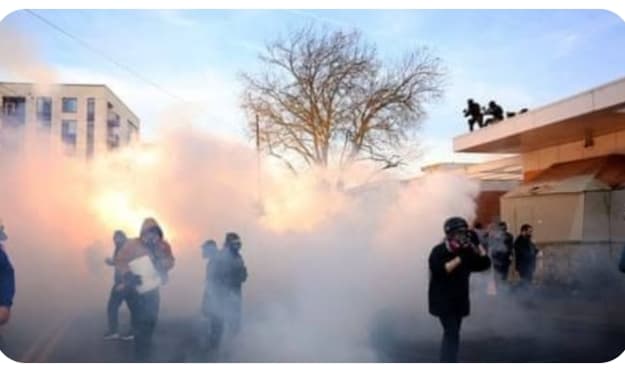
Portland, Oregon’s mayor Keith Wilson has issued a strong public demand that U.S. Immigration and Customs Enforcement (ICE) withdraw from the city after federal agents deployed tear gas, pepper balls, and rubber bullets at protesters — including young children in strollers — during a weekend demonstration outside an ICE facility. The mayor and others have described the protest as peaceful and non-violent before the federal response. � The Guardian +1 What Happened at the Protest On Saturday, January 31, 2026, thousands of demonstrators gathered at the South Waterfront ICE facility in Portland as part of a nationwide wave of protests against immigration policies. � The Guardian Witnesses reported that the protest had been peaceful, with no major disorder, when federal agents began deploying chemical agents and force against the crowd. � Bangor Daily News A former OregonLive reporter, Erin Hoover Barnett, told media that she was about 100 yards away when agents began dousing the crowd with gas, causing panic among adults and children trying to seek safety. � Bangor Daily News Local paramedics were called to treat people affected by the tear gas, while Portland police monitored the scene but made no arrests. � The Guardian Mayor Wilson’s Response Mayor Wilson strongly condemned the federal actions, characterising them as an unjustified and harmful use of force against a non-violent crowd. He said that: The majority of those present “violated no laws, made no threat, and posed no danger.” � Bangor Daily News He called on ICE employees to resign and for ICE operations in Portland to end completely. In a written statement, Wilson said the use of violence had “trampled the Constitution” and that federal agents had “lost all legitimacy and replaced it with shame.” � Portland.gov He also announced that Portland will move to impose fees on detention facilities that use chemical agents, under a law recently passed by the city to hold such entities accountable. � Portland.gov Broader Context: Protests and Federal Enforcement This weekend’s Portland protest is part of a broader national surge in demonstrations against the Biden administration’s immigration enforcement policies. Similar protests have taken place in cities across the United States, often drawing clashes between federal agents and local demonstrators. � The Guardian In some other Oregon cities—such as Eugene—federal agents also deployed tear gas when protesters attempted to enter federal buildings, prompting local authorities to declare riots and order dispersals. � The Guardian Federal Government’s Position President Donald Trump (current as of early 2026) responded on social media, stating that local law enforcement has the primary responsibility for policing protests in their cities, but he also said he instructed Homeland Security Secretary Kristi Noem to ensure federal agents vigorously protect federal property. He warned that there would be no tolerance for attacks on federal personnel or property. � Inquirer.com This stance underscores ongoing tensions between federal enforcement priorities and local authorities over public safety and protest management. Impact on Community and Immigrant Neighbors Mayor Wilson emphasised that Portland stands with its immigrant communities and that federal tactics undermined public trust and safety. His office said it was gathering evidence of the federal response and preparing to enforce local ordinances aimed at safeguarding residents from what it views as excessive federal force. � Portland.gov Local officials also noted that the ICE facility includes immigration processing functions and that its presence — and the federal response to protests — raises longstanding questions about the role of federal agencies in local communities. Local Government Actions In addition to demanding that ICE leave Portland: The city council urged the mayor to take decisive action after federal use of chemical agents allegedly violated local codes. � Axios Portland is moving forward with an ordinance to charge fees on detention centers using such agents, reflecting growing resistance to federal tactics. � Portland.gov Why This Matters This incident highlights ongoing national debates over: The balance of authority between local governments and federal agencies Appropriate responses to peaceful protests, especially involving families and children The role of ICE in enforcement and local community relations Portland’s mayor’s demand that ICE leave the city illustrates how contentious these issues have become and could set a precedent for other cities facing similar conflicts. � The Guardian
By Zahid Hussain18 days ago in The Swamp
Todd Blanche Says Review of Jeffrey Epstein Sex-Trafficking Case “Is Over”. AI-Generated.
A major announcement from the U.S. Department of Justice has stirred fresh controversy in the long-running saga of the late sex offender Jeffrey Epstein. On February 1, 2026, Deputy Attorney General Todd Blanche — who has overseen the release of millions of pages of documents in the case — declared that the review of Epstein’s sex-trafficking files is “over” and that prosecutors will not be pursuing additional charges based on the material that has been collected so far. � The Guardian +1 Blanche’s remarks came amid a flurry of newly released records and fierce criticism from survivors’ advocates and lawmakers who argue that the department has failed to fully comply with transparency requirements and has missed opportunities to hold powerful individuals accountable. � The Guardian What Blanche Actually Said In televised interviews and public statements this weekend, Todd Blanche made clear that the internal Justice Department review of Epstein-related material — including emails, photographs, videos, and case files — has concluded, and that federal prosecutors do not see a legal basis for new criminal charges arising from the released records. � 95.5 WSB Blanche said that while the files contain “a lot of correspondence,” “emails,” and even “horrible photographs,” the existence of disturbing material alone does not establish grounds for prosecution without solid evidence that could stand in court. “Victims want to be made whole,” he said, “but that doesn’t mean we can just create evidence or come up with a case that isn’t there.” � Las Vegas Review-Journal He also stressed that the Justice Department has reviewed millions of documents — over six million pages, tens of thousands of images, and thousands of videos — and determined that nothing in those materials justified new indictments against additional individuals. � 95.5 WSB What This Means for Epstein and Maxwell’s Case Epstein himself died in federal custody in 2019 while awaiting trial on sex-trafficking charges. His close associate Ghislaine Maxwell was convicted in 2021 and is serving a lengthy prison sentence for her role in the sex-trafficking scheme. � AP News The newly completed review was conducted under the Epstein Files Transparency Act, a law passed by Congress that requires the federal government to release a vast collection of investigative records related to Epstein and Maxwell. Tens of thousands of pages, images, and videos have been released in recent weeks, with more material published under the law’s deadlines. � Al Jazeera Blanche and other DOJ officials have maintained that the department is fulfilling its legal obligations and releasing as much material as possible, while withholding only items that contain victim identifiers, privileged legal material, or content that could jeopardize ongoing investigations. � AP News Public and Political Reaction Blanche’s announcement that the internal review is finished and that no new charges are pending has drawn sharp rebukes from survivors’ advocates, lawmakers, and legal observers. Survivors and attorneys have argued that the released files still contain uncensored details of alleged abuse and connections with influential people, while the men who may have enabled or benefited from Epstein’s network remain unnamed or uncharged. Some survivors described the document release as “reckless” because it unintentionally exposed victim identities and fell short of full transparency. � The Guardian On Capitol Hill, Democratic lawmakers have openly expressed frustration with the pace and scope of the disclosure. Representative Ro Khanna, a co-sponsor of the transparency law, said in interviews that the department has only released “at best half” of the documents and that survivors remain unhappy with the handling of sensitive information. � The Guardian House Minority Leader Hakeem Jeffries and other congressional critics have echoed the sentiment that the DOJ’s work is not truly complete and that further disclosures or legal action may be necessary before accountability is achieved. � The Guardian Why Some Lawyers and Advocates Are Angry Many survivors’ attorneys argue that a thorough, independent review should continue because: Redaction errors have exposed some victims’ names despite DOJ promises to protect their identities. � The Wall Street Journal Released material has included problematic references to powerful figures, raising questions about accountability. � News24 Survivors feel that even millions of pages of documents may only scratch the surface of what actually exists. � The Guardian In response to incomplete redactions, the DOJ has taken some files offline and said it will correct errors, but advocates say the damage has already been done. � The Wall Street Journal Does “This Review Is Over” Mean the Investigation Is Truly Finished? Not necessarily. While Blanche says the DOJ’s internal legal review is complete and prosecutors won’t pursue new charges based on the currently available files, he also noted that a small number of documents remain pending judicial approval for release and that the department continues to work through procedural requirements. � 95.5 WSB In a separate comment, Blanche suggested that if new credible evidence emerges — whether from public scrutiny or future disclosures — the Justice Department remains technically open to pursuing legal action. � New York Post But for now, the department’s official stance is that its review is finished and that additional prosecutions are not supported by the material at hand. Critics counter that this effectively closes the book on the case without delivering the broader accountability many survivors expected. What Comes Next? Transparency or Continued Dispute The Epstein files release is ongoing, with millions of pages already public and more expected over coming months. Congress and courts may also play a role if lawmakers press for unredacted disclosures or judicial oversight of the remaining documents. Some legal experts believe future developments could arise through: Civil litigation by survivors or victims’ families. Special master or court supervision of remaining redactions. Congressional inquiries into unresolved questions about the scope of the files. Meanwhile, the political debate over what the documents reveal — and what remains hidden — is likely to continue long after Blanche’s declaration that “the review is over.” Critics argue that without broader accountability, the public may never fully understand the extent of Epstein’s network or the role of those connected to him. � News24
By Zahid Hussain19 days ago in The Swamp
From Elon Musk to Prince Andrew: A Who’s Who of Powerful Men Named in Epstein Files. AI-Generated.
In one of the largest document disclosures in U.S. history, the Department of Justice (DOJ) has released millions of pages of material related to convicted sex offender Jeffrey Epstein following passage of the Epstein Files Transparency Act. The unprecedented trove — part of millions of pages of records, photos, videos, emails, and other materials — has renewed scrutiny of Epstein’s vast network of contacts, including numerous high-profile men from global tech, finance, politics, and royalty. � AP News +1 Importantly, none of the individuals named in these files have been charged with any crime in connection with Epstein’s trafficking offenses, and many have issued statements distancing themselves or denying wrongdoing. � marketbeat.com Prince Andrew (Andrew Mountbatten-Windsor) Perhaps the most heavily discussed figure in the current release is Prince Andrew, the formerly titled British royal. His name appears hundreds of times in the newly released documents, including in private emails with Epstein and references in photos. � AP News Documents show: Epstein invitations to dine at Buckingham Palace after his 2009 legal trouble. � The Guardian Emails offering introductions to young women. � The Guardian Earlier photos have also emerged that some reports describe as compromising images involving Andrew and unidentified women, though details and context remain redacted. � The Daily Beast Prince Andrew has long denied allegations related to Epstein’s network. He was stripped of his royal titles in 2025 amid ongoing controversy tied to past civil claims from accusers like the late Virginia Roberts Giuffre — a key figure in high-profile litigation linked to Epstein — though this did not constitute a criminal conviction. � The Guardian Elon Musk The name of Elon Musk, the billionaire CEO of Tesla and SpaceX, appears several times in the released documents, particularly in email exchanges from 2012 and 2013. Those emails discussed potential plans or invitations to Epstein’s private Caribbean island compound. � uk.news.yahoo.com Musk has previously posted on social media that he declined such invitations, stating, “Epstein tried to get me to go to his island and I REFUSED.” His companies — including Tesla and X — have not provided detailed responses to media inquiries about the documents. � uk.news.yahoo.com Other open-source reports circulating online suggest some of Musk’s statements may be contradicted by the newly released emails, with allegations that he discussed travel or social plans with Epstein, although these findings have not been independently verified beyond the document claims and have not resulted in legal action. � Reddit Tech Leaders and Business Figures Several other well-known figures from the worlds of tech and business are named in the Epstein files, typically in emails, introductions, or invitations that predate Epstein’s 2019 arrest: Sergey Brin — co-founder of Google; documents include correspondence and meeting invitations involving Epstein and Brin in the early 2000s. � marketbeat.com Steven Tisch — New York Giants co-owner and film producer; mentioned in hundreds of communications in which Epstein offered introductions to women. � marketbeat.com Howard Lutnick — business leader and former commerce official; appears in records showing trips with his family to Epstein’s island. � marketbeat.com Richard Branson — Virgin Group founder; exchanged emails about visits and business ideas with Epstein prior to Epstein’s legal troubles becoming public. � marketbeat.com All have stated their interactions were either brief, social, or occurred before allegations against Epstein were widely known and have denied involvement in any abuse or criminal conduct. � marketbeat.com Political Figures and Advisers The files also contain mentions of political advisers and government officials, not all of whom are U.S. public figures: Steve Bannon, former adviser to President Trump, appears in hundreds of text exchanges with Epstein on subjects like politics and travel. � marketbeat.com Miroslav Lajcak, a diplomat and former Slovak official, resigned after his communications with Epstein were disclosed, although he was not accused of wrongdoing and framed his contact as part of official duties. � marketbeat.com These mentions illustrate the breadth of Epstein’s connections, extending beyond business and social circles into political and diplomatic realms, though presence in the documents does not equate to criminal involvement. � marketbeat.com What the Files Include — and What They Don’t The newly released Epstein files — part of a rolling disclosure totaling over 3 million pages — contain: Emails between Epstein and various contacts Travel plans and invitations Photos and videos Personal and business correspondence The DOJ and Deputy Attorney General have clarified that other material — including victim information, explicit imagery, and legally privileged content — remains redacted or withheld to protect privacy and due process. � Business Insider Importantly, officials have also stated that no new charges against additional named individuals are currently supported solely by these document disclosures — and being named in the files does not mean agency prosecutors believe someone committed a crime. � Business Insider Why These Revelations Matter The release of these extensive documents has several implications: Public scrutiny of elite networks: The files shed light on social and professional ties between Epstein and influential figures — some longstanding, others limited to early, pre-scandal interactions. � marketbeat.com Transparency and legal accountability: Mandated by the Epstein Files Transparency Act, the disclosure seeks to balance openness with protection of victims’ rights, a contentious effort in public and legislative debate. � CBS News Reputational impact: Even where no criminal wrongdoing is alleged, document mentions have prompted resignations and reputational challenges for some individuals, especially where communications appear to extend beyond casual acquaintance. � marketbeat.com The ongoing release of these files is expected to continue over coming weeks and months, potentially revealing further names and details that fuel debate about the scope of Epstein’s connections and the responsibilities of those who engaged with him. � The Guardian
By Zahid Hussain20 days ago in The Swamp
Judge Orders Release of 5-Year-Old Liam Conejo Ramos and His Father From ICE Detention. AI-Generated.
A U.S. federal judge has ordered that five-year-old Liam Conejo Ramos and his father, Adrian Alexander Conejo Arias, be released from U.S. Immigration and Customs Enforcement (ICE) custody at a family detention center in Dilley, Texas by no later than Tuesday, Feb. 3. � AP News The decision follows intense public attention and legal challenges after the family was detained in Minnesota earlier this month — an incident that sparked widespread national outrage and protests. � Reuters Details of the Ruling U.S. District Judge Fred Biery in San Antonio issued the order on Jan. 31, 2026, granting an emergency legal request from the family’s attorneys. He sharply criticized the government’s immigration enforcement approach and its impact on children, saying the case stemmed from “ill-conceived and incompetently-implemented government pursuit of daily deportation quotas, apparently even if it requires traumatizing children.” � CBS News As part of his opinion, the judge included a photo of Liam and references to Bible passages and constitutional principles, underscoring his concerns about how immigration policies were applied in this case. � AP News What Sparked the Outrage The family’s detention captured national attention after images circulated showing Liam — wearing a blue hat and his Spider-Man backpack — being taken into custody outside his home in a Minneapolis suburb on Jan. 20, 2026. � Reuters According to the school district and critics, the boy was detained immediately after preschool, and his arrest raised questions about how immigration agents handled the situation and whether adequate safeguards were in place for children. � ABC7 Los Angeles Lawmakers, including Representatives Joaquin Castro and Jasmine Crockett, visited Liam and his father in detention and described the child as unwell, sad, and frequently tired, highlighting concerns about the conditions of the facility. � tpr.org Legal and Constitutional Issues Raised Judge Biery’s ruling didn’t just order their release — his written opinion delivered one of the strongest judicial rebukes of recent immigration enforcement practices. Key points from the judge included: Administrative warrants issued by immigration authorities — without independent judicial oversight — do not meet constitutional standards for probable cause. � The Independent The government’s pursuit of deportation as a numbers-driven policy was unduly harmful, especially to a young child. � PBS Multiple references in the order to biblical verses and founding principles were used to emphasize human decency and legal process. � The Independent He explicitly wrote that the enforcement actions “echo grievances” similar to those cited by Thomas Jefferson in the Declaration of Independence — a dramatic constitutional comparison rarely seen in such rulings. � ABC News U.S. Government’s Response The Department of Homeland Security (DHS), which oversees ICE, has disputed some details about how the detention occurred — for example, challenging claims that agents used the child as “bait” to get a family member to open the door. � PBS Officials from DHS and the Department of Justice did not immediately offer a public comment on the judge’s order by press time. � WSLS However, the ruling means the father and son cannot be detained any longer in the current facility, and their removal from the United States remains barred at least temporarily while their ongoing asylum case proceeds in immigration court. � AP News What Happens Next The court has given the government until Feb. 3 to release Liam and his father from immigration custody. � CBS News Their asylum claim remains pending, meaning they are still in the formal immigration system but are legally barred from removal at this stage. � ABC News The order directs officials to report back to the court to confirm the release has taken place. � The Independent Lawyers for the family have expressed relief and said they are working to ensure the pair’s safe reunion with relatives and community members. � PBS Broader Context and Reactions The case has resonated far beyond this specific family. It has become a flashpoint in the national debate over immigration enforcement, particularly regarding the treatment of children in detention and the use of administrative powers without judicial oversight. � ABC7 Los Angeles Advocacy groups and child welfare organizations have criticized past policies that placed children and families in long-term detention centers, and this ruling is likely to fuel ongoing legal challenges and calls for reform. � tpr.org Why This Matters This ruling is unusual not only because it involves a child but because of how forcefully the judge questioned enforcement tactics. It underscores broader tensions in U.S. immigration policy, including: The balance between enforcement authority and constitutional protections The role of judicial oversight in detention actions How families and children are treated under current practices For now, the focus is on reuniting a young boy with his family outside detention and on the broader legal and moral questions the case has raised.
By Zahid Hussain20 days ago in The Swamp
Mike Johnson Told Not to Count on Democrats’ Votes to End Shutdown. AI-Generated.
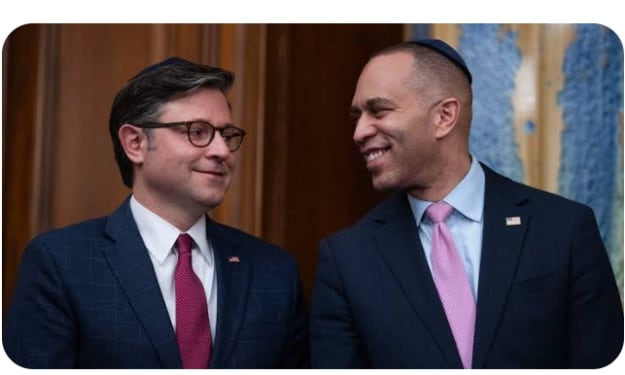
The U.S. government entered a partial shutdown after federal funding lapsed, and House Speaker Mike Johnson has been warned by both members of his own party and Democratic leaders that he should not rely on Democratic votes to pass funding legislation to end the crisis. That stark admonition reflects the deepening political impasse in Washington — a standoff that continues to disrupt federal services and threatens broader economic fallout. As the shutdown drags on, lawmakers are locked in a contentious negotiation over spending priorities, border policy, and legislative leverage. The warning to Johnson is not just a tactical rebuke — it reveals the erosion of cross-party cooperation and the high political stakes as both sides calculate risks ahead of key elections. Shutdown Overview: What’s at Stake The shutdown began when federal funding expired at midnight after congressional leaders failed to agree on a continuing resolution (CR) to keep the government open. While essential services continue, many federal workers are furloughed or working without pay, national parks are closed, and numerous domestic programs have been disrupted. What Can’t Operate Non-essential federal services National parks and museums Regulatory agencies processing licenses and permits Federal contractors What Continues Social Security and Medicare payments Law enforcement and national security operations Emergency medical services The shutdown’s effects ripple across the economy, impacting consumer confidence, tourism revenue, and federal contractors in particular. Why Johnson Had Been Seeking Democratic Support Mike Johnson, facing a divided Republican Conference, initially sought Democratic votes to pass short-term funding bills — a strategy aimed at preventing a shutdown and avoiding full GOP unity on a deal that included policy concessions. His approach was based on several assumptions: Moderate Republicans would reject hardline demands from the party’s right flank. Democratic votes could provide enough support to pass a funding bill in the House. A bipartisan approach might force conservative GOP members to fall in line. But those assumptions have been challenged by developments on Capitol Hill. Democrats Push Back: No Votes Without Conditions Top Democratic leaders, including House Minority Leader Hakeem Jeffries and Senate Democratic leaders, have been unequivocal: they will not provide votes to end the shutdown unless their policy priorities are met. Key Democratic demands include: Funding protections for social programs targeted by conservative cuts Border and immigration provisions that differ markedly from GOP proposals Restoration of funding for agencies hit hardest by proposed cuts Democrats argue that lending support to GOP-crafted spending bills without meaningful concessions would reward what they see as extreme or punitive spending priorities. In private meetings, Democratic lawmakers cautioned Johnson that they would not be a “reliable pivot” if GOP hardliners continued to insist on controversial policy riders tied to spending legislation. Republican Divisions Intensify the Impasse Johnson’s strategy has been complicated by internal divisions within the Republican Conference: Hardline Conservatives Some House Republicans, particularly members of the Freedom Caucus and other hardline blocs, have refused to back any spending bill that does not advance more aggressive policy changes — especially on: Immigration and border enforcement IRS funding and regulation Cuts to domestic programs These members view any compromise as capitulation and have insisted on deeper cuts, which Democrats outright oppose. Moderate Republicans Moderates have expressed frustration with shutdown brinkmanship and want a clean continuing resolution to end the crisis. Many have privately urged Johnson to find a path forward that avoids excessive policy riders. This intra-party divide has left Johnson with a narrow coalition: not enough support from conservatives for GOP-only bills, and not enough Democratic support without concessions Democrats have flatly rejected. White House Reaction: Pressure on Congress The Biden administration has called repeatedly for Congress to pass a funding bill to end the shutdown, urging Republicans to work with Democrats if necessary. White House officials have framed the shutdown as a politically manufactured crisis, blaming GOP inflexibility. “Fellow Americans are suffering because Congress chooses political brinkmanship over governing,” a senior administration official said in a statement. “If Speaker Johnson believes bipartisan governance is possible, he should embrace it — but Democrats will not be used as a cover for extreme spending cuts.” The White House has repeatedly signaled support for a clean continuing resolution — a funding bill without controversial policy attachments — coupled with a willingness to negotiate longer-term spending priorities later. Senate Holds the Key, But Politics Remain Stalled In the Senate, Democratic and Republican leaders have made incremental progress toward a bipartisan deal, but are constrained by: Divergent spending priorities Procedural hurdles like the filibuster Upstream House disagreement that undermines Senate negotiations Senate Majority Leader Chuck Schumer has called for a bipartisan, short-term funding extension that would avert further disruption and buy time for broader appropriations talks. Yet with the House struggling to pass any viable bill, the Senate’s options remain limited. Public Opinion and Economic Impact Polling data shows widespread public frustration with the shutdown, with many Americans blaming Congress rather than the President. Shutdowns tend to erode trust in government institutions and can become political liabilities for the parties in power. Economists warn that prolonged funding lapses can: Slow GDP growth Reduce consumer confidence Disrupt financial markets Increase borrowing costs Federal contractors, small businesses near national parks and government facilities, and furloughed federal workers are among those most immediately harmed. Why Democrats Won’t Provide the Necessary Votes — At Least Not Yet Democrats have signaled they may support a short-term funding extension under certain conditions, but only if it: Protects key domestic programs from deep cuts Excludes controversial border-related riders Aligns funding levels with negotiated appropriations rather than ideological priorities Democratic leaders have stressed that their refusal to simply “lend votes” is about policy substance, not obstruction for obstruction’s sake. “We are willing to work in good faith,” one Democratic lawmaker told reporters, “but we will not be propping up a shutdown bill that undermines the programs Americans depend on.” What This Means for Mike Johnson’s Leadership Speaker Johnson now faces a stark choice: Recalibrate strategy and pursue bipartisan compromise, or Double down on GOP unity and risk prolonged shutdown and legislative paralysis His hold on the speakership depends on navigating these competing pressures — and on whether his conference ultimately rallies behind a definitive path, even if that means negotiating with Democrats. Some conservatives privately warn that relying too heavily on Democratic votes could be interpreted as a betrayal of Republican priorities — a political misstep ahead of crucial elections. What Happens Next With no clear path yet to a funding bill that can pass both chambers, lawmakers are eyeing several options: 1. Short-Term Continuing Resolution A clean, short-term funding extension with minimal policy riders, designed only to keep the government open and buy time for broader negotiations. 2. Bipartisan “Omnibus” Funding Deal A longer-term, larger funding package negotiated by leaders from both parties — difficult without significant concessions. 3. Reconciliation or “Return to regular order” Using procedural strategies to bypass partisan gridlock, though these paths are legally and politically complex. 4. Prolonged Shutdown A politically risky scenario with mounting public and economic cost. Conclusion: Shutdown Limbo and a Leadership Test As the partial government shutdown continues, the warning to Mike Johnson — don’t count on Democratic votes to end it — underscores the deep polarization and tactical complexity in today’s Congress. Whether Johnson can find a path out of the stalemate — by brokering dialogue, recalibrating strategy, or reconciling competing party pressures — will shape not just the fate of federal funding, but his leadership legacy and the broader political landscape in Washington. For now, the shutdown continues, federal workers await back pay decisions that may or may not come, and Americans nationwide feel the tangible effects of a government caught between political divergence and leadership test.
By Zahid Hussain20 days ago in The Swamp