
Japan Digital Transformation Market: Size, Trends, and Growth Forecast
Cloud Adoption, AI Integration, and Government Initiatives Accelerating Digital Shift
Market Overview
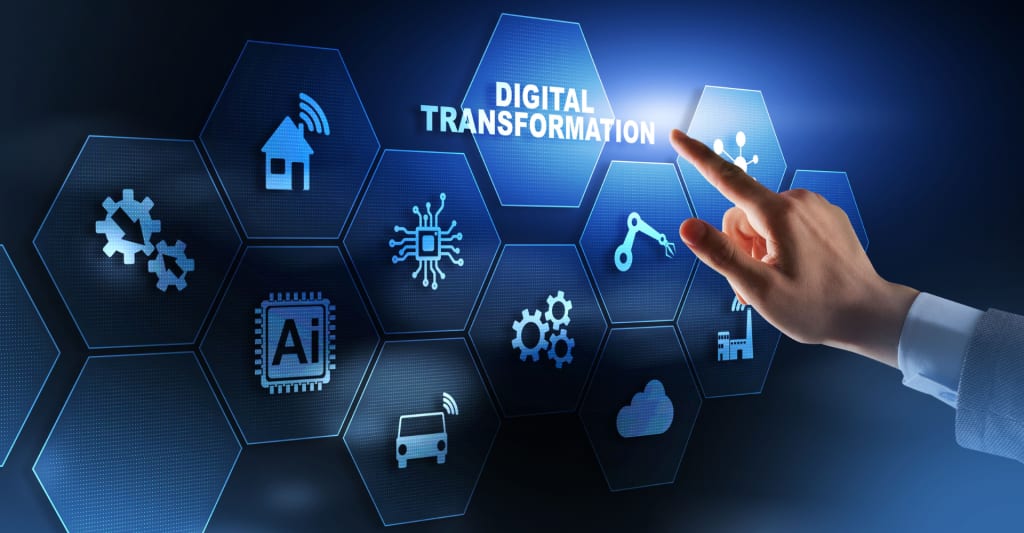
Digital transformation refers to the integration of digital technologies into business processes, public services, and everyday operations to improve efficiency, innovation, and customer experience. In Japan, digital transformation has become a national priority as organizations seek to modernize legacy systems, enhance productivity, and remain competitive in a rapidly evolving global economy.
According to the latest report by IMARC Group, the Japan digital transformation market was valued at USD 69.7 billion in 2025. The market is projected to reach approximately USD 340.6 billion by 2034, expanding at a compound annual growth rate (CAGR) of 18.70% during 2026–2034.
This rapid growth is being driven by widespread adoption of cloud computing, artificial intelligence, big data analytics, and Internet of Things (IoT) technologies across both private and public sectors.
Key Drivers Supporting Market Expansion
- Modernization of Legacy Systems
Many Japanese enterprises have historically relied on outdated IT infrastructure. Replacing these systems with digital platforms improves operational efficiency, reduces maintenance costs, and enables data-driven decision-making.
- Rising Demand for Automation and Productivity
Labor shortages caused by Japan’s aging population are accelerating the adoption of automation technologies, robotics, and digital workflows. These solutions help organizations maintain productivity while reducing reliance on manual processes.
- Growth of Digital Services and Remote Work
The expansion of e-commerce, online banking, telehealth, and remote collaboration tools has significantly increased the need for secure digital infrastructure and integrated platforms.
Government Policies and Strategic Support
The Japanese government has placed digital transformation at the center of its economic strategy. Initiatives aimed at building a “Digital Society” are encouraging modernization across public administration, healthcare, education, and industry.
The establishment of the Digital Agency has strengthened coordination of national IT policies and accelerated digital government services. Programs promoting smart cities, 5G deployment, and data utilization are further stimulating market growth.
Government incentives and regulatory reforms are also encouraging private-sector investment in digital technologies, cybersecurity, and cloud adoption.
Recent Investments and Industry Developments
Large-scale investments by technology companies, telecommunications providers, and consulting firms are transforming Japan’s digital landscape.
Major cloud service providers continue to expand local infrastructure to support enterprise migration to cloud platforms. Investments in artificial intelligence solutions, data analytics, and automation tools are enabling businesses to enhance competitiveness and innovation.
Financial institutions, manufacturers, and healthcare providers are deploying digital platforms to improve customer engagement, operational efficiency, and service delivery.
Collaborations between domestic firms and global technology companies are also accelerating the development of advanced digital solutions tailored to Japan’s market needs.
Role of Technology and Innovation
- Artificial Intelligence and Data Analytics
AI-driven insights enable predictive maintenance, personalized services, fraud detection, and operational optimization across industries.
- Cloud Computing and Platform Integration
Cloud platforms provide scalable infrastructure and flexible deployment models, allowing organizations to rapidly implement new digital capabilities.
- Internet of Things and Smart Systems
Connected devices and sensors enable real-time monitoring, automation, and intelligent decision-making in manufacturing, transportation, and urban management.
Japan Digital Transformation Industry Trends
Digital transformation is reshaping virtually every sector of Japan’s economy. Manufacturing companies are adopting smart factory solutions, retailers are expanding omnichannel strategies, and financial institutions are accelerating fintech innovation.
Cybersecurity is becoming increasingly important as digitalization expands, prompting organizations to invest in advanced protection systems and risk management frameworks.
Sustainability is also emerging as a key consideration, with digital technologies being used to optimize energy consumption, reduce waste, and support environmental goals.
Market Segmentation
Analysis by Type:
Solution
- Analytics
- Cloud Computing
- Mobility
- Social Media
- Others
Service
- Professional Services
- Integration and Implementation
Analysis by Deployment Mode:
- Cloud-based
- On-premises
Analysis by Enterprise Size:
- Large Enterprises
- Small and Medium-sized Enterprises
Analysis by End Use Industry:
- BFSI
- Manufacturing and Retail
- Government
- Healthcare
- IT and Telecom
- Others
Regional Analysis:
Kanto Region
Kinki Region
Central/ Chubu Region
Kyushu-Okinawa Region
Tohoku Region
Chugoku Region
Hokkaido Region
Shikoku Region
Competitive Landscape
The market includes global technology providers, domestic IT companies, consulting firms, and telecommunications operators. Competition is driven by innovation capability, service integration, cybersecurity expertise, and the ability to deliver scalable digital solutions.
Organizations that offer comprehensive transformation strategies combining cloud, AI, data analytics, and automation are particularly well positioned.
Market Outlook
The Japan digital transformation market is expected to experience robust growth over the next decade as digital technologies become essential to economic development and global competitiveness.
Government support, technological innovation, and strong demand from both public and private sectors will continue to drive adoption.
As businesses increasingly rely on digital platforms to improve efficiency and customer engagement, digital transformation will remain a foundational element of Japan’s future economy.
About the Creator
It's 2026. Songs Turning 10 This Year
In 2016, we saw the rise of short form videos and what would lead to the birth of TikTok. We cannot forget the Snapchat filters no matter how cringe worthy some of them might have been. It was also the year in which the hit series Stranger Things debuted.
By Jasmine Aguilara day ago in Beat
Boundless
A geographical map could take you there. To the places I've been, to the sights I've seen, to the landscapes I've climbed. But no compass could point you in the direction of my memories. To the experiences I've lived, to the happiness I've felt, to the wonder I've held so close to my heart.
By Alyssa Mussoa day ago in Writers




Comments
There are no comments for this story
Be the first to respond and start the conversation.