60s music
Groove along to Beat Media's breakdown of the bands, artists, songs and culture that defined the 60s.
Neighbourhood Weekender: The Festival That Brings Music Home. AI-Generated.
Every May, the usually quiet town of Warrington in northwest England transforms into a buzzing hub of energy, laughter, and music. Tents go up, food stalls line the streets, and thousands of music fans pour in for one of the UK’s most beloved festivals — the Neighbourhood Weekender.
By Fiaz Ahmed 3 months ago in Beat
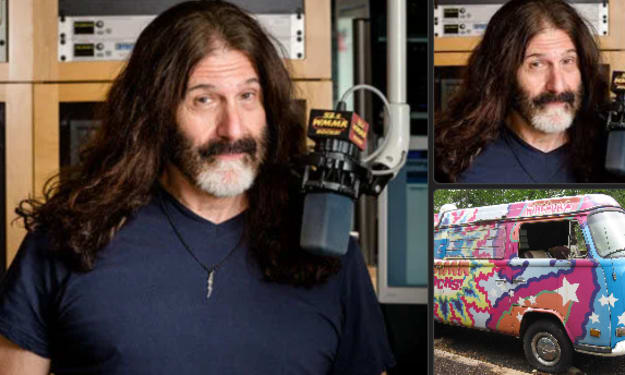
Pierre Robert: The Voice of 93.3 WMMR and the End of an Era
For more than four decades, Pierre Robert was more than just a DJ — he was the voice of Philadelphia. His familiar greeting, his easy laugh, and his love for music made him one of the most beloved figures in American radio history. Broadcasting from 93.3 WMMR since 1981, Robert became a symbol of authenticity, dedication, and community spirit.
By KAMRAN AHMAD3 months ago in Beat
How Many Ways Can You Do It Your Way?
Besides the original recording of the song “My Way” by Frank Sinatra, the cover by Elvis Presley became a favorite. Sinatra recorded this well-known song in 1969, and the song became one of his signature songs. In 1967 a version of the tune titled “Comme D’Habitude” was recorded by its co-writer, French singer Claude Francois. While on vacation in France, Canadian singer and songwriter Paul Anka heard it and decided to adapt the song for Sinatra, who at the time was thinking of quitting the music business. Anka wrote a whole set of English lyrics and when presented to Sinatra, we all know how well that worked out and got him back into the recording studio.
By Rasma Raisters3 months ago in Beat
'Wild Honey'
After the collapse of SMiLE and the disappointment of Smiley Smile. Brian Wilson's mental health began to seriously decline. He was developing a deep seeded paranoia thinking his idol, Music Producer (and future murderer) Phil Spector was out to get him. He began to spend more and more time in his bedroom. Meanwhile in the recording studio downstairs in his Bellagio Road mansion the other Beach Boys were hard at work recording their next album, Wild Honey. While the entire band is once again credited as producers on the album, Most of the actual production was done by youngest Wilson brother Carl who was about to turn twenty-one, who also sings lead vocals on most of the albums notable tracks. Thankfully Brian was aware enough at the time to have writing credits on nine of the album's eleven songs.
By Sean Callaghan4 months ago in Beat
This Is Elvis (1981): The Most Exploitative ‘Tribute’ Ever Made
A Horror Film Disguised as a Documentary It’s hard to believe that the documentary This Is Elvis actually exists. Imagine a found footage horror film starring one of the most famous human beings who ever lived, and you’ll start to understand what this movie is.
By Movies of the 80s4 months ago in Beat
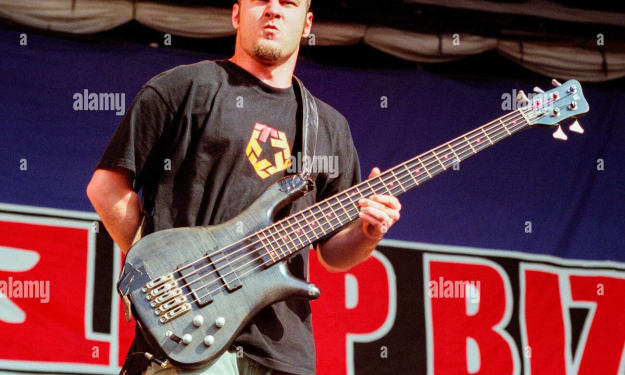
Sam Rivers: The Bass Genius Who Redefined Rock and Metal. AI-Generated.
A Name That Reshaped Nu Metal When you talk about the rise of nu metal in the late 1990s and early 2000s, one name often goes unmentioned despite his massive influence — Sam Rivers, the bass player for Limp Bizkit. While the band became famous for its high-energy performances, rebellious lyrics, and Fred Durst’s attitude, it was Sam Rivers’ deep, thunderous bass lines that gave Limp Bizkit its signature sound.
By Fiaz Ahmed 4 months ago in Beat
Strumming Green: How to Pick a Guitar That’s Kind to the Planet
If you’re a guitar player, you know the feeling. That moment when the first chord rings out—it’s pure magic. We love our instruments. They become a part of us. But here’s something to think about: have you ever considered where all that beautiful wood comes from?
By Guitar Beat4 months ago in Beat
'Smiley Smile'. Top Story - October 2025.
After the relatively disappointing sales of Pet Sounds in May of 1966 and the subsequent release of the Best of The Beach Boys compilation a few months later. One would think Brian Wilson would have taken the advice of Capitol Records executives and return to churning out more hits about Surfing, cars and other creatively stifling teenage themed subject matter. Thankfully, That wasn't Brian's way. Instead he followed his muse into even more adventurous and unique sounds. He was at first very successful at this spending most of the summer of 1966 at various Los Angeles Studios recording what he called his "Pocket Symphony". Various sections of music were recorded at many different studios and assembled into a final piece. While Pet Sounds lyricist Tony Asher did attempt an early draft of lyrics for the song ultimately titled "Good Vibrations". Ultimately Brian's most frequent collaborator, Bandmate and cousin Mike Love dictated to his wife while driving to the studio one day the final lyrics. He also added the vocal hook of the song based on the songs bassline (A fact he will never tire of pointing out.) Carl Wilson would sing the ethereal verses of the song. The song featured extensive use of the Electro-Theremin instrument designed and played by Paul Tanner which had briefly appeared on the Pet Sounds track "I Just Wasn't Made For These Times." The outro features a thumping cello part suggested by Carl Wilson. The final song was finally edited together for release in October of 1966. It went on to become The Beach Boys second number one hit and a defining piece of 60s popular culture. At the end of the year a poll in a British music publication saw the Beach Boys top the Beatles in their home country as the biggest vocal band in the world. Unfortunately after this Brian and the Beach Boys winning streak would come to a bitter end following the non-release of their next planned album SMiLE originally slated to be released in January 1967 to follow Good Vibrations. Now the story of the SMiLE album will be featured in a separate future article because it is way more complicated than can be addressed here. Brian had been working with lyricist Van Dyke Parks on the songs for SMiLE during the fall of 1966 and spring of 1967. However due to a combination of the resentment of his fellow bandmates (Mike Love in particular.) and uncertainty about how to finish the final edit along with drug exacerbated mental health problems. Brian would abandon the project in the Spring of 1967. Still contractually obligated to deliver a new album. The band re-grouped at Brian's new house with his wife at the time Marilyn on Bellagio Road in Beverly Hills. The resulting album called Smiley Smile, whose name was suggested by Brian's young cousin Barry Turnbull, was recorded mostly by the band doing all the instrumental and vocal parts themselves as well as sharing the final production credit. This would be the first Beach Boys album since Surfin' USA not to feature Brian Wilsons credit as sole producer. It was released in the fall of 1967 to a world still in thrall from The Beatle's Sgt. Peppers Lonely Hearts Club Band album earlier in the summer and the Monterey Pop Festival which the Beach Boys famously pulled out of at the last minute which would permanently taint their reputation with the burgeoning counterculture.
By Sean Callaghan4 months ago in Beat
Singing the Blues
“Boom Boom” is a song that was written by the American blues singer and guitarist John Lee Hooker. It was first recorded in 1961 and became a blues standard. The song charted on both the R&B and pop charts. The song is one of Hooker's most identifiable and enduring songs.
By Rasma Raisters4 months ago in Beat
D'Angelo
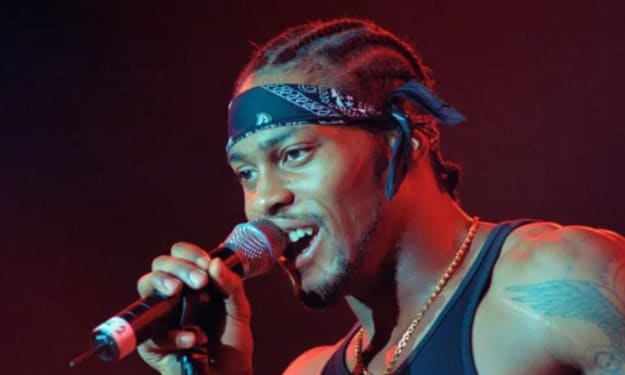
In the world of soul and R&B, few names command as much reverence as D'Angelo. The Virginia-born singer, songwriter, and multi-instrumentalist is a true artist's artist, a figure whose influence far outweighs his relatively small discography. However, this very mystique and his periods away from the spotlight have often led to confusion and concern among fans. Recently, searches like "d'angelo died," "d angelo dead," and "d'angelo 2025" have spiked, causing alarm. It's crucial to set the record straight: The musician D'Angelo is alive.
By KAMRAN AHMAD4 months ago in Beat
Get Those Rhythm and Blues
“A Change Is Gonna Come” is a song that was recorded by the American singer and songwriter Sam Cooke. It is featured on his album Ain’t That Good News. The song is considered to be one of Cooke’s greatest and most influential compositions. It was selected for preservation in the Library of Congress in 2007. Rolling Stone magazine has the song listed at number 3 on the list of The 500 Greatest Songs of All Time.
By Rasma Raisters4 months ago in Beat