
Wild Trails Await: Discover the Hidden Gems of Kudremukh National Park
Kudremukh is more than a tourist destination—it's a fragile and vital ecosystem. Part of the Nilgiri Biosphere Reserve.
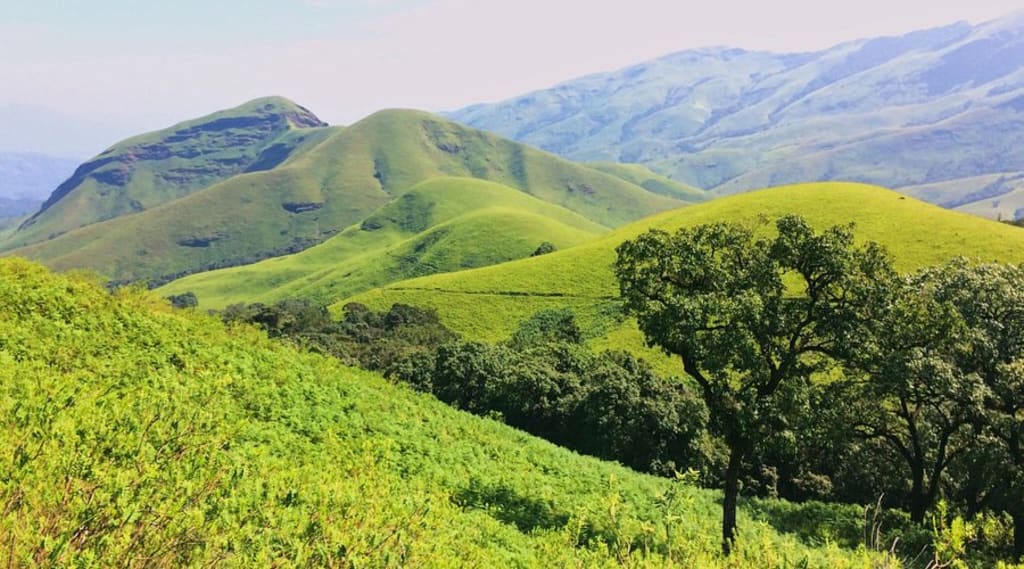
Tucked deep in the heart of Karnataka’s Chikkamagaluru district lies a sanctuary where rolling hills, lush rainforests, and meandering rivers create a haven for nature lovers and wildlife enthusiasts. Kudremukh National Park, a UNESCO-recognized region within the Western Ghats biodiversity hotspot, invites intrepid travelers to uncover its hidden gems. Beyond the well-known trekking trails lies a vibrant ecosystem, steeped in serenity and brimming with natural wonders.
In this article, we explore the captivating terrain, flora and fauna, cultural significance, and eco-tourism potential of Kudremukh National Park. Whether you’re a seasoned trekker or a first-time visitor, this verdant paradise promises an experience that’s as wild as it is unforgettable.
The Allure of Kudremukh: Where the Hills Look Like a Horse’s Face
The name Kudremukh translates to "horse face" in Kannada, inspired by the distinct shape of one of the park’s prominent peaks. This mountainous expanse, sprawling across more than 600 square kilometers, is part of the Western Ghats—a range known for some of the world’s highest levels of endemic species. The park was declared a national reserve in 1987 and has since evolved into one of India's most crucial ecological zones.
Its landscape, a harmonious blend of rolling meadows, shola forests, and deep valleys, is carved by rivers like the Tunga, Bhadra, and Nethravathi. These waterways are lifelines for both wildlife and downstream communities.
Flora: A Green Mosaic of Life
Kudremukh’s rich vegetation is a testament to its high rainfall and elevation. Dominated by tropical wet evergreen forests, the region showcases an abundance of rare and medicinal plant species. Stretches of grasslands blanket the slopes, while misty valleys house dense undergrowth and towering trees such as Dipterocarpus, Calophyllum, and Poeciloneuron.
A notable feature is the park's micro-climate diversity. As altitude shifts, so do the plant communities, resulting in a botanical patchwork that supports an astonishing variety of life forms. This floral diversity also plays a key role in stabilizing the fragile monsoon ecosystem of the Western Ghats biodiversity corridor.
Fauna: Where the Wild Things Roam
For wildlife enthusiasts, Kudremukh is a treasure trove. It serves as a critical corridor for several endangered and endemic species. The elusive lion-tailed macaque—a primate found only in the Western Ghats—thrives in the deep forests. Sightings of leopards, wild dogs (dholes), and Indian gaurs are not uncommon, while the presence of tigers, although rare, has been recorded by forest officials.
Birdwatchers are in for a treat. Over 200 avian species have been documented here, including the Malabar trogon, great pied hornbill, and the Nilgiri wood pigeon. Herpetofauna such as the Malabar pit viper and the endemic purple frog highlight the area’s unique ecological niche.
Trekking Trails: An Intimate Dance with Nature
Among the park's most cherished experiences is the Kudremukh Peak Trek. Stretching over 10 kilometers one way, the trail is a moderately challenging hike that takes you through forest clearings, bamboo thickets, and windswept grasslands. The panoramic view from the peak—at 1,894 meters—is breathtaking, especially in the early morning mist.
Another less-traveled path is the Kurinjal Peak trail, ideal for those seeking solitude and uninterrupted communion with nature. If you’re looking to explore the park’s hydrological charm, the trek to Hanuman Gundi Falls offers a refreshing blend of scenic beauty and adventure.
Ecological Importance and Conservation Efforts
Kudremukh is more than a tourist destination—it's a fragile and vital ecosystem. Part of the Nilgiri Biosphere Reserve, the park plays an essential role in groundwater recharge, climate regulation, and carbon sequestration.
Due to historical mining activities, the region once faced threats of deforestation and habitat degradation. However, since the closure of the Kudremukh Iron Ore Company in 2005, rewilding efforts have significantly restored the area's ecological balance. Conservation groups, along with the Karnataka Forest Department, continue to focus on habitat restoration and wildlife monitoring.
Additionally, local communities have been involved in eco-tourism initiatives, offering homestays and guided tours that promote responsible travel while supporting sustainable livelihoods.
Cultural Tapestry and Local Lore
The forests of Kudremukh are not just biologically rich—they’re also steeped in mythology. Locals speak of sages meditating in these mountains, and many shrines dot the landscape, blending spiritual reverence with natural awe.
Villages bordering the park, such as Kalasa and Horanadu, are also popular for their temples and local crafts. Visiting these settlements offers insight into the region’s intangible heritage—an often-overlooked gem in itself.
Best Time to Visit and Travel Tips
When to go:
The ideal time to explore Kudremukh is between October and February, when the skies are clear, and the monsoon-fed greenery is at its peak. Summer months tend to be warmer, while the monsoon (June to September) transforms the terrain into a slippery but mesmerizing landscape.
How to reach:
The nearest town is Kalasa, well-connected by road from Chikkamagaluru and Mangalore. Mangalore International Airport is the closest air transit point, about 100 km away.
Permits and regulations:
Since Kudremukh is a protected area, entry requires permission from the Forest Department. Trekking is permitted only with authorized guides, ensuring minimal disturbance to wildlife.
Final Thoughts: A Journey Beyond the Trail
In an era of crowded travel destinations and curated Instagram spots, Kudremukh National Park stands out as a realm untouched by commercialization. Its hidden gems lie not just in its trails or peaks but in the rustle of leaves, the flash of a hornbill’s wing, and the stillness that only deep forest silence can offer.
Exploring Kudremukh is more than a vacation—it’s an awakening to the delicate beauty of nature and our responsibility to protect it. As guardians of the Western Ghats' biodiversity, this national park reminds us of what’s at stake and why it’s worth the trek.
About the Creator
prince sain
Hey, I’m Prince, and I love traveling. Exploring new places and meeting new people is my jam. I get super excited about finding cool stuff in different places and learning about different cultures.
Keep reading
More stories from prince sain and writers in Beat and other communities.
Ride to the Clouds: Mandalpatti Jeep Safari Adventure Awaits
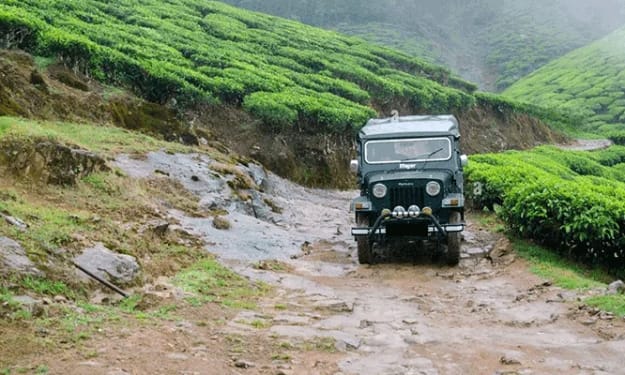
Tucked away in the lush hills of Coorg, Karnataka, the Mandalpatti Jeep Safari offers a truly unforgettable journey—one that takes you beyond the ordinary and into the clouds. Known for its sweeping vistas, verdant forests, and the thrill of off-road exploration, this safari is quickly gaining popularity among adventure seekers and nature lovers alike. If you're planning a trip to Coorg and seeking a dose of adrenaline mixed with scenic beauty, a ride to Mandalpatti is an experience you won’t want to miss.
By prince sain7 months ago in Beat
It's 2026. Songs Turning 10 This Year
In 2016, we saw the rise of short form videos and what would lead to the birth of TikTok. We cannot forget the Snapchat filters no matter how cringe worthy some of them might have been. It was also the year in which the hit series Stranger Things debuted.
By Jasmine Aguilara day ago in Beat



Comments
There are no comments for this story
Be the first to respond and start the conversation.