
Best Ways to Get Rid of Hyperpigmentation
Understanding Hyperpigmentation: Causes and Types


Hyperpigmentation is a common skin condition that occurs when patches of skin become darker than the surrounding areas. This condition can be caused by a variety of factors, such as sun exposure, hormonal changes, acne, and inflammation. While hyperpigmentation is not harmful, it can be a cosmetic concern for many people. Fortunately, there are many ways to get rid of hyperpigmentation. In this article, we will explore some of the best ways to treat hyperpigmentation and achieve a more even skin tone.
Sun Protection
The most important step in treating hyperpigmentation is to prevent further damage by protecting your skin from the sun. Sun exposure can worsen hyperpigmentation and lead to the development of new dark spots. Therefore, it is essential to wear sunscreen every day, even on cloudy days. Look for a broad-spectrum sunscreen with an SPF of at least 30 and reapply it every two hours if you are spending time outdoors. Wearing a wide-brimmed hat and protective clothing can also help to shield your skin from the sun.
Topical Lightening Agents
Topical lightening agents are a popular treatment option for hyperpigmentation. These products work by reducing the production of melanin, the pigment that gives color to the skin. Some of the most commonly used topical lightening agents include:
Hydroquinone: Hydroquinone is a skin lightening agent that works by inhibiting the production of melanin. It is available over-the-counter in concentrations of up to 2%, but higher concentrations require a prescription. Hydroquinone is considered to be the gold standard of hyperpigmentation treatment, but it can cause skin irritation and should be used under the supervision of a dermatologist.
Retinoids: Retinoids are a class of compounds derived from vitamin A. They work by increasing cell turnover and reducing the production of melanin. Topical retinoids, such as tretinoin, adapalene, and tazarotene, are available by prescription only. They can cause skin irritation and dryness, so it is important to follow your dermatologist's instructions when using them.
Azelaic Acid: Azelaic acid is a naturally occurring acid that is found in grains like wheat and barley. It works by reducing the production of melanin and is available over-the-counter and by prescription. Azelaic acid is less irritating than hydroquinone and retinoids, making it a good option for people with sensitive skin.
Kojic Acid: Kojic acid is a naturally occurring acid that is found in mushrooms and fermented foods. It works by inhibiting the production of melanin and is available over-the-counter. Kojic acid is less effective than hydroquinone but is a good option for people who cannot tolerate hydroquinone.
Vitamin C: Vitamin C is a powerful antioxidant that can help to brighten the skin and reduce hyperpigmentation. It works by inhibiting the production of melanin and reducing inflammation. Vitamin C is available in many skincare products, including serums and creams.
Chemical Peels
Chemical peels are a cosmetic treatment that involves applying a chemical solution to the skin to remove the top layer of dead skin cells. This can help to reduce hyperpigmentation by stimulating cell turnover and reducing the appearance of dark spots. Chemical peels are available in different strengths, ranging from mild to deep. Mild peels can be done at home using over-the-counter products, while deeper peels require a dermatologist's supervision.
Microdermabrasion
Microdermabrasion is a non-invasive cosmetic treatment that uses a device to exfoliate the skin and remove the top layer of dead skin cells. This can help to reduce hyperpigmentation by stimulating cell turnover and promoting the growth of new skin cells. Microdermabrasion can be done at a dermatologist's office or at home using a handheld device. It is generally considered safe and does not require any downtime.
Laser Therapy
Laser therapy is a medical treatment that uses focused light energy to target and remove hyperpigmented areas of skin. This can help to reduce the appearance of dark spots and promote the growth of new, healthy skin cells. Laser therapy is typically done in a dermatologist's office and may require multiple sessions to achieve the desired results. It can be an effective option for people with more severe hyperpigmentation.
Cryotherapy
Cryotherapy is a medical treatment that uses liquid nitrogen to freeze and remove hyperpigmented areas of skin. This can help to reduce the appearance of dark spots and promote the growth of new, healthy skin cells. Cryotherapy is typically done in a dermatologist's office and may require multiple sessions to achieve the desired results. It can be an effective option for people with more severe hyperpigmentation.
Microneedling
Microneedling is a cosmetic treatment that uses a device with tiny needles to create micro-injuries in the skin. This can help to stimulate collagen production and promote the growth of new, healthy skin cells. Microneedling can also help to reduce hyperpigmentation by breaking up the pigment and promoting its removal from the skin. Microneedling can be done at a dermatologist's office or at home using a handheld device.
Natural Remedies
There are also several natural remedies that may help to reduce hyperpigmentation. These remedies are generally considered safe and may be a good option for people who prefer a more natural approach to skincare. Some of the most commonly used natural remedies for hyperpigmentation include:
Aloe Vera: Aloe vera is a natural anti-inflammatory agent that can help to reduce inflammation and promote the growth of new, healthy skin cells. It can also help to reduce hyperpigmentation by breaking up the pigment and promoting its removal from the skin.
Green Tea: Green tea is a natural antioxidant that can help to reduce inflammation and promote the growth of new, healthy skin cells. It can also help to reduce hyperpigmentation by inhibiting the production of melanin.
Licorice Extract: Licorice extract is a natural skin lightening agent that works by inhibiting the production of melanin. It can also help to reduce inflammation and promote the growth of new, healthy skin cells.
Vitamin E: Vitamin E is a natural antioxidant that can help to reduce inflammation and promote the growth of new, healthy skin cells. It can also help to reduce hyperpigmentation by inhibiting the production of melanin.
Combination Therapy
In some cases, a combination of different treatments may be necessary to achieve the desired results. This may include a combination of topical lightening agents, chemical peels, and laser therapy. Your dermatologist can recommend the best combination of treatments for your specific needs and skin type.
In conclusion, hyperpigmentation is a common skin condition that can be treated with a variety of methods. Sun protection, topical lightening agents, chemical peels, microdermabrasion, laser therapy, cryotherapy, microneedling, natural remedies, and combination therapy are all effective options for reducing hyperpigmentation and achieving a more even skin tone. If you are struggling with hyperpigmentation, speak with a dermatologist to determine the best treatment plan for your specific needs and skin type. It's important to remember that hyperpigmentation may take time to fade, and consistent use of these treatments may be necessary to see results. Additionally, it's important to protect your skin from further damage by wearing sunscreen and avoiding prolonged sun exposure.
About the Creator
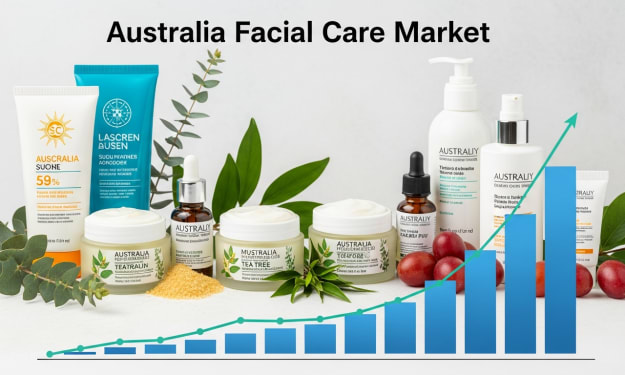
Australia Facial Care Market: Skincare Priorities, Innovation & Consumer Demand
Australia Facial Care Market Overview The Australia facial care market continues its impressive growth trajectory as consumers increasingly prioritise skin health, appearance and preventative beauty routines. Facial care — including cleansers, moisturisers, serums, masks, toners, eye care and specialised treatments — is no longer confined to niche beauty enthusiasts but embraced as a mainstream self-care category. The Australia facial care market size reached USD 2.9 Billion in 2024. Looking forward, the market is expected to reach USD 5.1 Billion by 2033, exhibiting a growth rate (CAGR) of 5.89% during 2025-2033. This growth reflects rising beauty consciousness, innovative product development, omni-channel retail expansion and lifestyle shifts that prioritise both aesthetics and dermal wellness. (Market data based on IMARC Group analysis.)
By Amyra Singh5 days ago in Blush
The “Low-Effort” Beauty (And the Smart Routines That Actually Work)
There’s a specific kind of frustration that hits when you’re running late, your hair has decided today is rebellion day, and your skincare routine is staring back at you like a to-do list you never agreed to.
By Patricia G6 days ago in Blush



Comments
There are no comments for this story
Be the first to respond and start the conversation.