Health
How we conquered the deadly smallpox virus
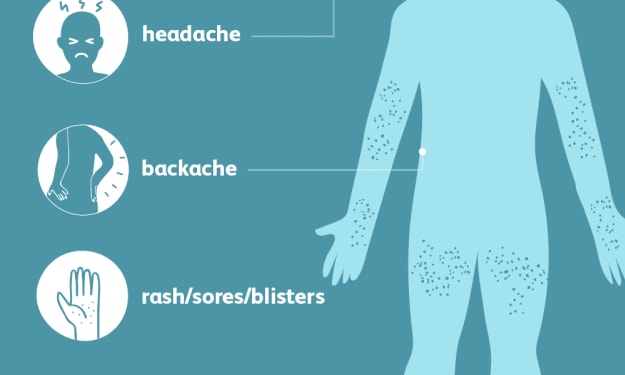
10,000 years ago, a deadly virus arose in northeastern Africa. The virus spread through the air, attacking the skin cells, bone marrow, spleen, and lymph nodes of its victims. The unlucky infected developed fevers, vomiting, and rashes. 30% of infected people died during the second week of infection. Survivors bore scars and scabs for the rest of their lives. Smallpox had arrived. In 1350 B.C., the first smallpox epidemics hit during the Egypt-Hittite war. Egyptian prisoners spread smallpox to the Hittites, which killed their king and devastated his civilization. Insidiously, smallpox made its way around the world via Egyptian merchants, then through the Arab world with the Crusades, and all the way to the Americas with the Spanish and Portuguese conquests. Since then, it has killed billions of people with an estimated 300 to 500 million people killed in the 20th century alone. But smallpox is not unbeatable. In fact, the fall of smallpox started long before modern medicine. It began all the way back in 1022 A.D. According to a small book, called "The Correct Treatment of Small Pox," a Buddhist nun living in a famous mountain named O Mei Shan in the southern providence of Sichuan would grind up smallpox scabs and blow the powder into nostrils of healthy people. She did this after noticing that those who managed to survive smallpox never got it again, and her odd treatment worked. The procedure, called variolation, slowly evolved and by the 1700's, doctors were taking material from sores and putting them into healthy people through four or five scratches on the arm. This worked pretty well as inoculated people would not get reinfected, but it wasn't foolproof. Up to three percent of people would still die after being exposed to the puss. It wasn't until English physician Edward Jenner noticed something interesting about dairy maids that we got our modern solution. At age 13, while Jenner was apprentice to a country surgeon and apothecary in Sodbury, near Bristol, he heard a dairy maid say, "I shall never have smallpox, for I have had cowpox. I shall never have an ugly, pockmarked face." Cowpox is a skin disease that resembles smallpox and infects cows. Later on, as a physician, he realized that she was right, women who got cowpox didn't develop the deadly smallpox. Smallpox and cowpox viruses are from the same family. But when a virus infects an unfamiliar host, in this case cowpox infecting a human, it is less virulent, so Jenner decided to test whether the cowpox virus could be used to protect against smallpox. In May 1796, Jenner found a young dairy maid, Sarah Nelmes, who had fresh cowpox lesions on her hand and arm caught from the utters of a cow named Blossom. Using matter from her pustules, he inoculated James Phipps, the eight-year-old son of his gardener. After a few days of fever and discomfort, the boy seemed to recover. Two months later, Jenner inoculated the boy again, this time with matter from a fresh smallpox lesion. No disease developed, and Jenner concluded that protection was complete. His plan had worked. Jenner later used the cowpox virus in several other people and challenged them repeatedly with smallpox, proving that they were immune to the disease. With this procedure, Jenner invented the smallpox vaccination. Unlike variolation, which used actual smallpox virus to try to protect people, vaccination used the far less dangerous cowpox virus. The medical establishment, cautious then as now, deliberated at length over his findings before accepting them. But eventually vaccination was gradually accepted and variolation became prohibited
By TBH Agencia Exclusiva Colsanitas2 years ago in Chapters
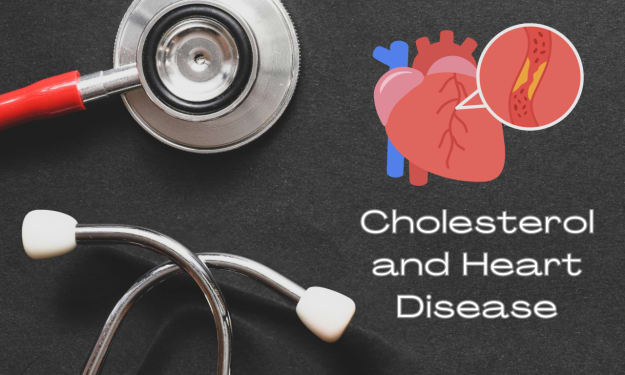
Cholesterol and Heart Disease: A Complete Guide to Prevention and Management
Cholesterol is a vital substance in your body, but when levels get too high, especially the wrong kind of cholesterol, it can lead to serious heart problems. In this guide, we’ll break down everything you need to know about cholesterol, its connection to heart disease, and how you can manage it effectively to stay healthy.
By John Alcote2 years ago in Chapters
10 surprising things your hands can reveal about your health:
Our hands do much more than just help us perform daily tasks—they can also provide important clues about our overall health. From the color of your nails to the temperature of your fingertips, different signs on your hands might indicate underlying health issues that you may not be aware of. While some changes might be harmless and easily fixed, others could be symptoms of more serious conditions that require medical attention. Paying close attention to your hands can help you catch potential health problems early on. In this article, we will explore 10 surprising things your hands can reveal about your health and offer practical solutions for each issue. By understanding these signs, you can take proactive steps to maintain your health and seek medical advice when necessary.
By Thobeka Ngqongwa2 years ago in Chapters
The Best Exercise as You Get Older
The Best Exercise as You Get Older Stand up without using your hands—this simple movement is a tribute to the exercise that fitness experts agree is essential for healthy aging. Now, sit back down. That was your first repetition!
By Thobeka Ngqongwa2 years ago in Chapters
20 Foods that are good in your diet after 50+ years old
As we age, our bodies require more care and attention, especially when it comes to the food we eat. After 50, it’s important to focus on foods that support heart health, keep bones strong, and provide the nutrients needed for overall well-being. Eating the right foods can help maintain energy levels, support healthy digestion, and reduce the risk of chronic diseases. In this list, you’ll find 20 foods that are particularly beneficial for those over 50. These foods are easy to incorporate into your daily diet and can make a big difference in how you feel as you age.
By Thobeka Ngqongwa2 years ago in Chapters
Understanding Diabetes: Types, Causes, and Management
Introduction That affects millions of people worldwide. It occurs when the body either cannot produce enough insulin or cannot effectively use the insulin it produces. This results in elevated blood glucose levels, which can lead to a variety of health complications if not managed properly. This article explores the different types of diabetes, their causes, symptoms, and effective management strategies.
By Ashish facts2 years ago in Chapters
What Causes Someone to Snore? Uncover the Surprising Reasons and Sleep Better
Introduction: What Causes Someone to Snore? Discover the Key Reasons Snoring is more than just a nighttime nuisance; it’s a common issue affecting millions worldwide. But what causes someone to snore? Understanding the root of this noisy problem can lead to better sleep and even improve overall health. In this article, we'll delve into the surprising causes of snoring, how they affect your nightly rest, and what you can do to keep the peace in your bedroom.
By John Alcote2 years ago in Chapters
Building a Muscular Body: Your Blueprint for Ultimate Fitness
Achieving a muscular, fit body is about more than just lifting weights—it's about dedication, discipline, and a commitment to transforming your lifestyle. Whether you're starting from scratch or looking to take your fitness to the next level, building muscle is a powerful way to not only change your appearance but also boost your confidence, energy, and overall health.
By Ashish facts2 years ago in Chapters
Achieving a Fit Body: The Path to Lasting Weight Loss
A fit body isn’t just about aesthetics; it’s a reflection of health, strength, and balance in your life. Achieving lasting weight loss goes beyond the numbers on the scale—it's about transforming your habits, mindset, and daily routine to create a body that not only looks good but feels good, too.
By Ashish facts2 years ago in Chapters