
Betty Broderick: Divorce, Obsession
And the Double Murder That Shocked California


Betty Broderick: Divorce, Obsession, and the Double Murder That Shocked California
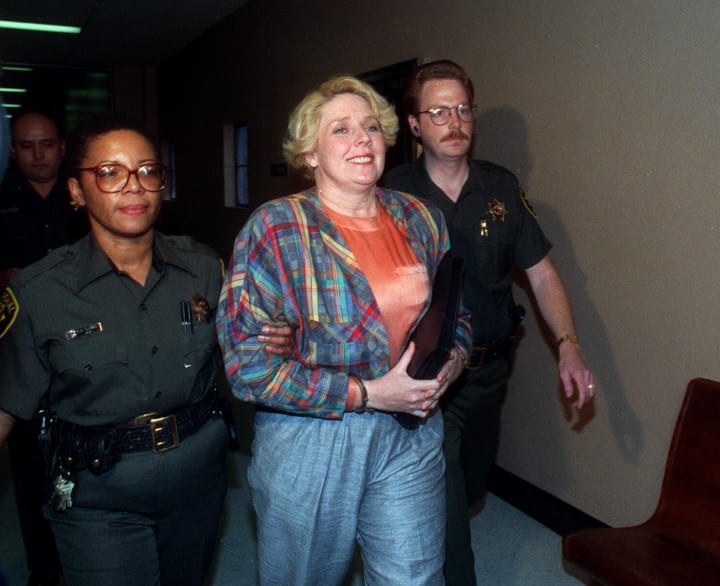
How a bitter split turned into harassment, threats, break-ins, and a deadly final confrontation
In November 1989, a wealthy California attorney and his new wife were found shot to death in their own bedroom. The killer wasn’t a stranger, a burglar, or a hired hitman. It was his ex-wife — a woman who had once supported him through law school, built a family with him, and then spiraled into rage when the marriage collapsed.
The case of Betty Broderick became one of the most infamous “revenge divorce” murders in American true crime. It had everything that pulls the public in: money, betrayal, voicemails filled with fury, courtroom drama, and a relationship so toxic that even decades later, people still argue about whether she was pure villain — or a woman who psychologically snapped after years of emotional warfare.
The Marriage That Looked Perfect — At First
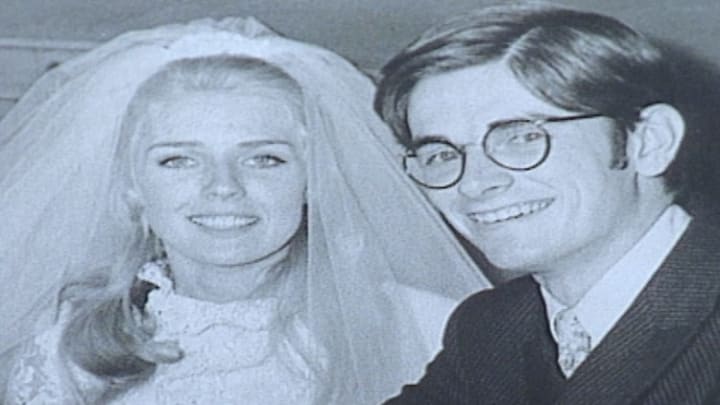
Betty met Dan Broderick when they were young and ambitious. By most accounts, she helped support him through medical school and then law school, working and managing the household while he built his professional future. They married, had four children, and moved into an upper-middle-class California lifestyle that looked, from the outside, successful and stable.
But inside the marriage, resentment reportedly grew.
As Dan’s career advanced — particularly when he became a successful medical malpractice attorney — the power and financial balance of the relationship shifted. Betty later claimed she felt pushed aside, controlled, and gradually erased from the life she helped build.
Then another woman entered the picture.

The Affair That Lit the Fuse
Dan hired a young legal assistant named Linda Kolkena Broderick. She was much younger than Betty — and soon became more than an employee. Dan denied the affair at first, but Betty became convinced the relationship was romantic. The conflict escalated from suspicion to confrontation to open warfare inside the household.
According to friends and testimony, Betty began making angry phone calls, showing up unexpectedly, and accusing Dan of betrayal. Dan eventually moved forward with divorce proceedings — and married Linda not long after the split.
That remarriage poured gasoline on an already raging emotional fire.
To Betty, it wasn’t just a divorce. It was replacement.
The Divorce War Turned Ugly — Fast
The Broderick divorce was not quiet or cooperative. It was brutal, prolonged, and deeply personal. Financial disputes, custody battles, and legal maneuvering stretched the fight over years.
During this period, Betty’s behavior became increasingly volatile.
Reports and court testimony described:
Repeated harassing phone calls
Profane, threatening voicemail messages
Showing up uninvited
Driving her car into Dan’s front door
Ignoring restraining orders
Leaving furious recorded messages filled with insults and rage
Some of the voicemails later played in court revealed the emotional intensity of her anger — raw, explosive, and deeply personal. She mocked, cursed, threatened, and raged about money, betrayal, and Linda’s presence in Dan’s life.
Friends said she felt financially and emotionally destroyed by the divorce terms. Critics said she became consumed by revenge.
Both can be true at the same time.
Financial Fury and Emotional Collapse
One of the most repeated themes in Betty’s story is money — not greed exactly, but perceived injustice. She believed she had sacrificed years to build Dan’s career and was being discarded without fair compensation or respect.
She complained that:
Her lifestyle had been stripped away
Her legal support was outmatched
Dan used his legal expertise against her
The court system favored him
Whether those claims were fully accurate or emotionally amplified, they fueled her sense of being cornered and erased. People close to the case later described her mental state as deteriorating — stuck in a loop of humiliation, anger, and obsession.
Instead of cooling over time, her rage hardened.
The Break-Ins and Escalation
Before the murders, Betty had already crossed serious legal lines. She broke into Dan’s home more than once. She damaged property. She violated court orders. Police had been involved repeatedly.
Each incident added to a pattern: she could not emotionally detach.
Dan and Linda changed locks, added security, and sought legal protection. But Betty still found ways to intrude — physically and psychologically.
The boundary between harassment and danger was getting thinner.
The Night of the Murders — November 5, 1989
In the early morning hours, Betty entered Dan and Linda’s home using a key taken from one of her daughters. She walked into their bedroom while they slept.
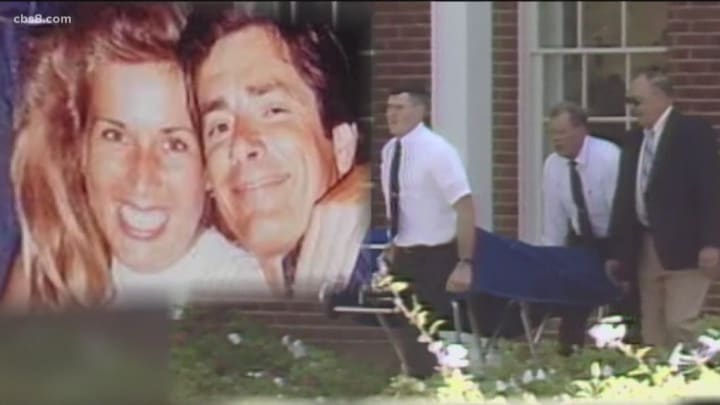
She brought a gun.
She fired multiple shots, killing both Dan and Linda in their bed.
There was no struggle. No chase. No argument recorded. Just sudden, lethal violence at close range.
Afterward, she left — and later turned herself in.
The double murder instantly transformed a bitter divorce story into a national true-crime sensation.
The Trial — Sympathy vs Responsibility
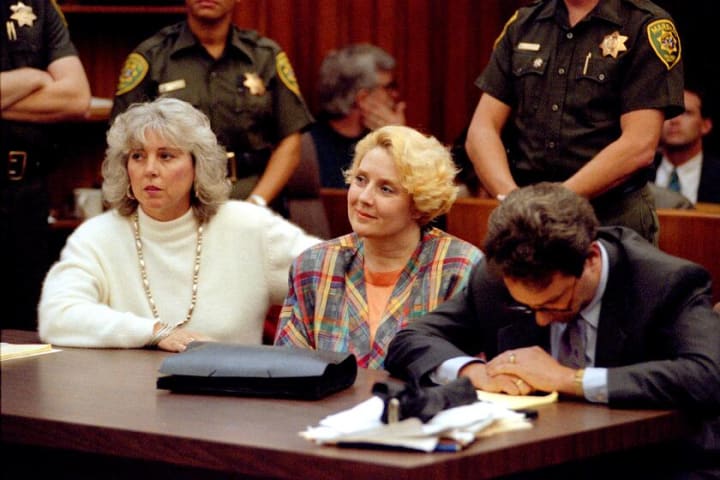
Betty did not deny the shootings. The trial focused on intent and mental state.
Her defense team argued:
Extreme emotional distress
Psychological breakdown from prolonged conflict
Cumulative trauma from the divorce battle
Prosecutors argued:
She brought a loaded weapon
She entered deliberately
She fired multiple times
She had made threats beforehand
The first trial ended in a hung jury — a sign that public sympathy and moral judgment were divided. Some jurors reportedly felt she had been pushed to a breaking point. Others saw clear premeditated murder.

The second trial resulted in conviction.
Betty Broderick was found guilty of second-degree murder and sentenced to 32 years to life in prison.

The Public Reaction — Villain or Symbol?
The case exploded in media coverage. Talk shows, magazines, and documentaries debated the same reminding question:
Was Betty Broderick a cold-blooded killer — or the extreme outcome of emotional and financial abuse inside a power-imbalanced marriage?
Some saw her as:
A warning about obsession
A portrait of unchecked rage
A textbook revenge killer
Others saw her as:
A discarded spouse who lost everything
A woman crushed by legal and emotional warfare
A symbol of how ugly divorce can become
The truth sits in the tension between those views.
Pop Culture Legacy
The Broderick murders inspired multiple books, TV movies, and dramatizations — most notably the second season of Dirty John, which retold the story for a new generation and reignited debate about guilt, fairness, and emotional abuse.
The voicemails, the break-ins, the insults, the final act — all of it became part of true-crime history.
Why This Case Still Hits So Hard
This case stays relevant because it touches universal fears:
Betrayal by a partner
Divorce turning into warfare
Financial imbalance in marriage
Emotional obsession after rejection
Anger that doesn’t cool — it calcifies
Betty Broderick didn’t kill a stranger. She killed the man she built a life with — and the woman who replaced her. That personal connection is what keeps the story emotionally charged decades later.
It isn’t just about murder.
It’s about what happens when rage becomes identity — and revenge becomes purpose.
About the Creator
Dakota Denise
Every story I publish is real lived, witnessed, survived. True or not I never say which. Think you can spot fact from fiction? Everything’s true.. I write humor, confessions, essays, and lived experiences
Keep reading
More stories from Dakota Denise and writers in Criminal and other communities.
Canada Shooting Shocks the Nation: Inside the Deadly Tumbler Ridge Tragedy
A Rare and Devastating Act of Gun Violence Rekindles National Debate on Safety, Mental Health, and Firearms in Canada Canada is mourning after one of the deadliest mass shootings in its modern history unfolded in the small community of Tumbler Ridge, British Columbia, leaving ten people dead, including the suspected shooter, and more than two dozen injured. The attack, which took place on February 10, 2026, shattered the sense of security in a country where such violence remains rare and deeply unsettling.
By Story Prism2 days ago in Criminal
I've Just Realized
The President doesn't understand music. There. It felt very good to write that; it's some thing I just realized today. Oh , yes; he plays it. He TRUMPets it in rallies and meetings, pumps it across the airwaves when he gathers up our minutes waiting for his late arrival.
By Judey Kalchik 4 days ago in Beat



Comments
There are no comments for this story
Be the first to respond and start the conversation.