
Pablo Escobar
Pablo Escobar: The Rise and Fall of the World’s Most Notorious Drug Lord


How a criminal empire emerged from poverty and ended in violence
An Introduction The Medelln Cartel's infamous kingpin, Pablo Emilio Escobar Gaviria, was once the wealthiest and most feared criminal in history. He controlled 80% of the global cocaine trade at his peak, amassed an inflation-adjusted fortune of $30 billion, and was responsible for thousands of deaths. However, his legacy remains shockingly divisive in Colombia. Some people think of him as a vicious terrorist, while others think of him as a modern-day Robin Hood who built low-income housing and schools. This article investigates: Escobar's early life and how his ambitions were shaped by poverty. the global impact of the Medelln Cartel's rise to power. the brutal methods that made him powerful and sought after. His demise—how he was destroyed by rivals, law enforcement, and his own ego. Colombia's lasting scars and the war on drugs.
From Street Thief to Drug Kingpin,
Part 1: A life of hustle as a child Escobar was born on December 1, 1949, in Rionegro, Colombia. He grew up in the slums of Medelln. His mother was a schoolteacher, and his father was a farmer. His family struggled financially. Young Pablo quickly realized that honest work paid more than criminal activity. He was stealing cars, selling fake lottery tickets, and even grave-robbing to resell tombstones by the time he was in his teens. The Cocaine Explosion Escobar saw an opportunity in the rising demand for cocaine in the United States in the 1970s. He first smuggled only a small amount, but by the 1980s, he had made the business big. His group: officials—even presidents—were bribed. built underground labs in the jungle. used planes and submarines to transport a lot of drugs to Miami. His cartel once earned $420 million per week. Terrorist or rooster? Escobar mastered public image manipulation. He:
constructed housing developments in Barrio Pablo Escobar. soccer fields and churches were funded. paid for festivals in the area. However, these charitable deeds were calculated. "He bought loyalty with one hand and murdered dissenters with the other," wrote journalist Gabriel Garca Márquez. (The number of words so far: 450) Second Part: The Terrorist Rule of the Cartel Business Strategy: Keep quiet or die "Plata o plomo" (Silver or lead—take a bribe or a bullet) was Escobar's motto. His group: murdered police officers, journalists, and judges (more than 600 officers were killed in 1985 alone). Bombed public areas, including Avianca Flight 203, which resulted in 110 deaths. when extradition to the United States was imminent, declared war on the government. The infamous prison known as "La Catedral" Escobar gave up on his own terms in 1991. He used: to build a luxurious prison called "La Catedral." a bar, a pool, and a soccer field internal drug operations continued. He escaped after officials attempted to move him, sparking a 16-month manhunt. (The number of words so far: 750) The End of the Third Part As the hunters get closer, Escobar had three formidable foes by 1993: Los Pepes is a rival-funded vigilante group. U.S.-trained Colombian special forces (The Delta Force) His own paranoia—no one, not even his family, had his trust. Death from Above Authorities followed Escobar to a Medelln safehouse on December 2, 1993. He was killed in a shootout, allegedly by police, though some believe he committed suicide. His sprawled body on a roof became a global symbol of an era's end. (The number of words so far: 950) The Escobar Legacy,
Part 4: The Unhealed Wounds of Colombia Cops, rivals, and civilians all died in the thousands. The drug war continues; cartels split up, but they did not vanish. In spite of the protests of the victims, Netflix's Narcos romanticized his life. Did Escobar Always Happen? He is said to have been created by U.S. demand and poverty. Others contend that he was a monstrosity who put power ahead of humanity. "Escobar wasn’t a product of chaos; he was chaos itself," Ana Carrigan, a historian, wrote.
About the Creator
Keep reading
More stories from Silas Blackwood and writers in Criminal and other communities.
Joaquín "El Chapo" Guzmán
From Humble Beginnings to Global Infamy Introduction: The El Chapo Myth Previously known as "El Chapo" (Shorty), Joaqun Archivaldo Guzmán Loera was the world's most powerful drug trafficker. He built a multibillion-dollar empire as the leader of the Sinaloa Cartel in Mexico, smuggled a lot of drugs into the United States, and became a folk hero to some and a ruthless criminal to others. His story reads like a crime epic, with daring prison escapes, brutal cartel wars, and his eventual downfall. This article investigates: His upbringing and the path he took to rise from poverty to power. The dominance of the Sinaloa Cartel in the global drug trade. His notorious escapes from prison and life on the run the U.S.-Mexico manhunt that brought him to safety. His trial, verdict, and long-term influence on the drug war. (The word count thus far is 150) The Making of a Kingpin,
By Silas Blackwood8 months ago in Criminal
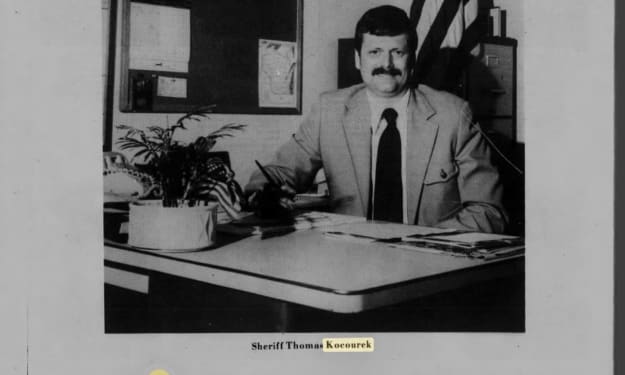
Wisconsins Overlooked Pattern: How Many Cases Are We Not Talking About?
Wisconsin’s criminal history from the 1970s through the early 1990s is often discussed in fragments: a single notorious case, a single wrongfully convicted man, or a single serial offender. What is less frequently examined is the collective landscape—a dense cluster of murders, disappearances, infant deaths, sexual assaults, and investigative failures that unfolded across overlapping geography and time.
By SunshineChristina7 days ago in Criminal
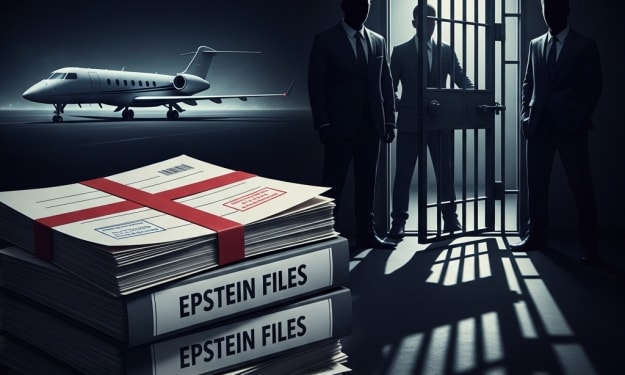
The Epstein Files
The Epstein Files The Jeffrey Epstein case is not just the story of one criminal. It is a mirror showing how power, money, and silence can protect wrongdoing at the highest levels of society. While Epstein was officially charged and convicted for serious crimes, many questions remain unanswered about how his network operated for decades without being stopped.
By Wings of Time 2 days ago in Criminal
~ Fired ~
— Ai Intrusion ~ Are you Next ~ Is Ai Evolution after your job? — Few workplaces haven't been affected. Ai is in supermarkets, at doctors' offices, and even monitoring farms. I just can't think of anything this machine is not getting into, can you? For instance: Education ~ Law and Tech jobs will one day have a major influence or be taken over by these inanimate machines, with accuracy and vigor. From mechanics' diagnoses to a wide variety of everyday jobs, including fast food workers, with this input having the ability to cut their unnecessary work hours. I'm certain all of us have been touched by this with our short stories and colorful headings, have you? Even comments are very questionable 'Non-Robot' insertions.
By Jay Kantor7 days ago in Journal


Comments
There are no comments for this story
Be the first to respond and start the conversation.