
Agricultural revolutions (Neolithic, Green)
Agricultural Revolutions: Neolithic and Green

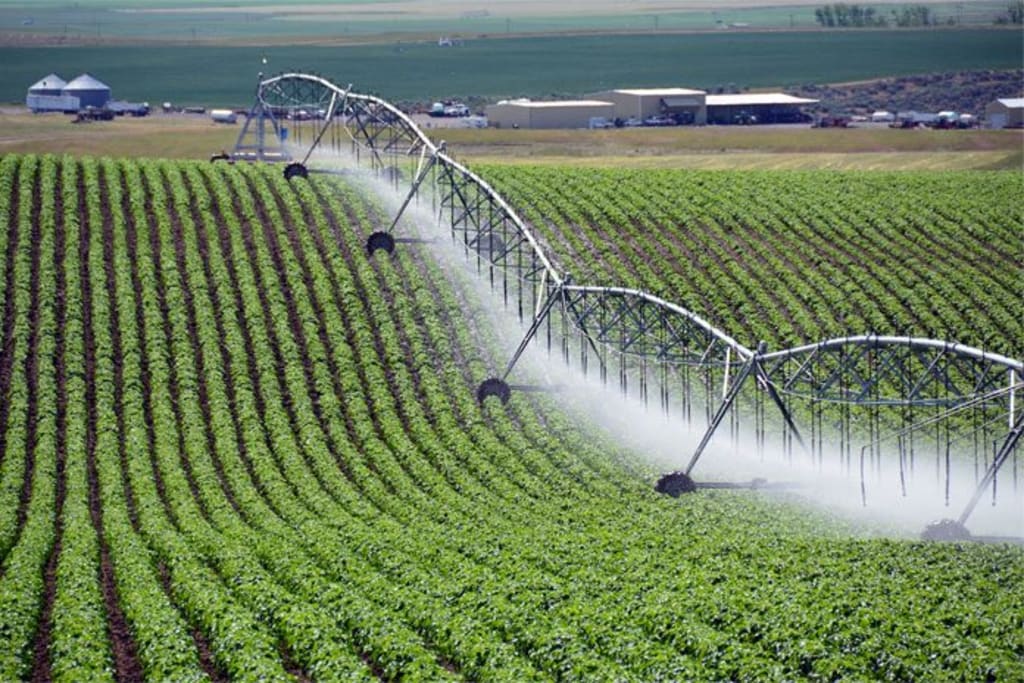
Agriculture has played a fundamental role in shaping human civilization. Over the course of history, agricultural revolutions have transformed societies, economies, and environments. Two of the most significant agricultural revolutions are the Neolithic Agricultural Revolution and the Green Revolution. While the former marked the transition from hunting and gathering to farming, the latter introduced advanced technologies that drastically increased food production. This article explores the key aspects, causes, impacts, and significance of these two agricultural revolutions.
Neolithic Agricultural Revolution (c. 10,000 BCE)
Overview
The Neolithic Agricultural Revolution, also known as the First Agricultural Revolution, was a pivotal turning point in human history. It took place around 10,000 BCE, primarily in regions known as the Fertile Crescent (modern-day Middle East), China, Mesoamerica, and Africa. This revolution marked the transition of human societies from nomadic hunter-gatherers to settled agricultural communities.
Causes
Several factors contributed to the Neolithic Agricultural Revolution:
Climate Change: As the Ice Age ended, the Earth's climate became warmer and more stable, creating favorable conditions for plant and animal domestication.
Population Growth: An increasing human population required a more reliable and sustainable food source than hunting and gathering could provide.
Observations and Experimentation: Early humans began experimenting with planting seeds and domesticating animals, gradually learning how to cultivate crops and raise livestock efficiently.
Key Developments
Domestication of Plants and Animals: Humans began cultivating crops such as wheat, barley, rice, and maize, and domesticating animals like sheep, goats, and cattle.
Sedentary Lifestyle: The ability to produce food led to permanent settlements, which eventually grew into villages and early cities.
Technological Advancements: Early tools, such as stone sickles, grinding stones, and rudimentary plows, were developed to aid in farming.
Impact
Population Growth: A stable food supply led to an increase in population, allowing societies to expand.
Social and Economic Changes: With surplus food, people could specialize in other tasks, leading to the rise of artisans, traders, and hierarchical societies.
Development of Civilization: The Neolithic Revolution laid the foundation for the emergence of complex societies, trade, written language, and governance.
Environmental Impact: Large-scale farming led to deforestation, soil degradation, and changes in ecosystems, setting the stage for future environmental challenges.
The Green Revolution (Mid-20th Century)
Overview
The Green Revolution refers to a period between the 1940s and 1970s when agricultural practices were transformed through the introduction of new technologies, high-yield crop varieties, chemical fertilizers, pesticides, and irrigation methods. This revolution was aimed at increasing food production to combat hunger and sustain the growing global population.
Causes
Food Shortages: After World War II, rapid population growth in developing countries raised concerns about food security.
Scientific Advancements: Research in genetics, chemistry, and agronomy led to the development of improved crop varieties and farming techniques.
Government and Institutional Support: Organizations like the Rockefeller Foundation, World Bank, and national governments funded agricultural research and development programs.
Key Developments
High-Yield Varieties (HYVs): Scientists are Norman Borlaug developed disease-resistant and high-yield crops such as wheat, rice, and maize.
Chemical Fertilizers and Pesticides: The use of synthetic fertilizers and pesticides helped increase crop productivity by providing essential nutrients and controlling pests.
Mechanization: Tractors, harvesters, and irrigation systems improved efficiency and reduced dependence on manual labor.
Irrigation Expansion: Large-scale irrigation projects ensured a steady water supply, making farming possible in arid regions.
Impact
Increased Food Production: The Green Revolution led to a dramatic increase in global food supply, reducing famine and malnutrition in many regions.
Economic Growth: Countries that adopted Green Revolution technologies, such as India and Mexico, experienced economic progress and improved living standards.
Environmental Concerns: Heavy reliance on chemical fertilizers and pesticides led to soil degradation, water pollution, and loss of biodiversity.
Social Disparities: Wealthier farmers benefited more from Green Revolution technologies, leading to economic inequalities among rural populations.
IN THE END
While both revolutions transformed agriculture, they differed in scale, causes, and consequences. The Neolithic Revolution marked the birth of farming and settled life, while the Green Revolution modernized agriculture to meet the demands of a growing population. Each revolution brought both benefits and challenges, shaping the way humans interact with the environment and produce food.
Looking ahead, the lessons from these revolutions can inform future agricultural advancements. Sustainable farming, precision agriculture, and biotechnology hold promise for addressing food security while minimizing environmental impact. As the world faces challenges like climate change and population growth, innovative approaches to agriculture will be essential in ensuring a secure and sustainable future for humanity.
About the Creator
Badhan Sen
Myself Badhan, I am a professional writer.I like to share some stories with my friends.
Keep reading
More stories from Badhan Sen and writers in Earth and other communities.
Environmental movements (Greenpeace, Earth Day)
Among the most influential movements are Greenpeace, a global environmental organization known for its direct-action activism, and Earth Day, an annual event that has inspired millions to take action for the environment. Both have significantly shaped public discourse on environmental protection and sustainability.
By Badhan Senabout a year ago in Earth
Winterthorne
Winterthorne stood alone at the edge of the park. The beautiful snow that had surrounded him was all trampled now, from the feet of all of the children who had built him. He missed the sparkly clean snow blanket, but he was happy that so many children had come out to make him.
By Laura DePace3 days ago in Fiction




Comments (3)
What a great historical piece that also teaches current ideas in a way.
Nice work
I love Agricultural revolutions! Great work