
Air pollution and smog
Air Pollution and Smog: A Growing Threat to Health and Environment

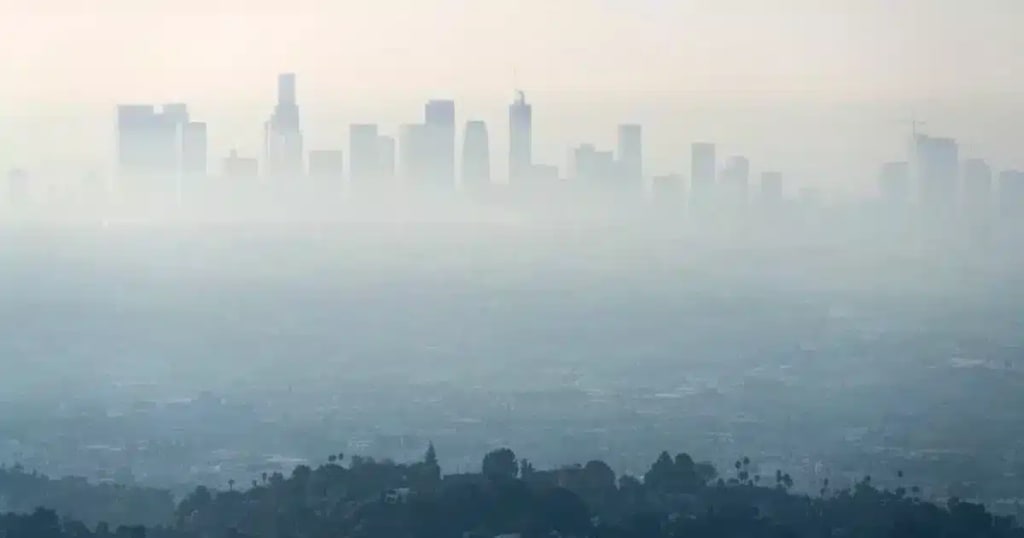
Air pollution is one of the most pressing environmental challenges of our time. It poses serious health risks, damages ecosystems, and contributes to climate change. Among the many forms of air pollution, smog is one of the most visible and harmful. Smog, a term derived from "smoke" and "fog," refers to the hazy air pollution that reduces visibility and impacts respiratory health. This article explores the causes, effects, and potential solutions to air pollution and smog.
Causes of Air Pollution and Smog
Air pollution arises from both natural and human activities. However, human-induced pollution, particularly from industrialization and urbanization, is the primary cause of smog. The main contributors include:
Vehicle Emissions: Cars, trucks, and other vehicles release nitrogen oxides (NOx) and volatile organic compounds (VOCs) that react in the presence of sunlight to form ground-level ozone, a key component of smog.
Industrial Activities: Factories and power plants emit large amounts of sulfur dioxide (SO2), carbon monoxide (CO), and particulate matter (PM), which contribute to air pollution and smog formation.
Burning Fossil Fuels: Coal, oil, and gas combustion for electricity generation and heating releases pollutants such as SO2, NOx, and fine particulate matter.
Agricultural Activities: Livestock farming produces methane (CH4), while fertilizers and pesticides contribute to ammonia (NH3) emissions, further worsening air quality.
Deforestation and Biomass Burning: Cutting down trees and burning wood releases CO2 and particulate matter, increasing the levels of pollution in the atmosphere.
Natural Sources: While human activities are the major contributors, natural sources such as wildfires, volcanic eruptions, and dust storms also play a role in air pollution.
Effects of Air Pollution and Smog
The consequences of air pollution and smog are severe, impacting human health, the environment, and the economy.
Health Effects
Respiratory Diseases: Prolonged exposure to smog leads to respiratory conditions are asthma, bronchitis, and chronic obstructive pulmonary disease (COPD).
Cardiovascular Problems: Air pollution is linked to heart diseases, high blood pressure, and increased risk of strokes.
Eye and Skin Irritation: Smog can cause eye irritation, redness, and skin allergies.
Premature Deaths: Studies indicate that millions of premature deaths occur annually due to exposure to air pollution.
Environmental Impact
Climate Change: Air pollutants are CO2 and methane contribute to global warming and climate change.
Acid Rain: Sulfur dioxide and nitrogen oxides combine with water vapor to form acid rain, which damages soil, forests, and aquatic life.
Harm to Wildlife: Air pollution affects biodiversity, harming animals and plants by altering ecosystems.
Economic Consequences
Healthcare Costs: Increased medical expenses due to pollution-related diseases place a burden on healthcare systems.
Reduced Productivity: Poor air quality leads to absenteeism and decreased work efficiency.
Damage to Infrastructure: Acid rain erodes buildings, bridges, and historical monuments, leading to high maintenance costs.
Solutions to Air Pollution and Smog
Addressing air pollution requires coordinated efforts at the individual, governmental, and global levels. Some key solutions include:
Policy and Regulation
Stricter Emission Standards: Governments should enforce stringent vehicle and industrial emission regulations.
Investment in Clean Energy: Promoting renewable energy sources such as solar, wind, and hydroelectric power reduces dependence on fossil fuels.
Public Transportation and Green Mobility: Encouraging the use of electric vehicles (EVs), bicycles, and public transport can lower emissions.
Urban Planning: Developing green spaces, improving traffic management, and implementing zoning laws can mitigate air pollution.
Technological Advancements
Air Purification Systems: The adoption of air filters and purifiers in industries and households can help improve indoor air quality.
Carbon Capture and Storage (CCS): This technology helps capture CO2 emissions from industrial sources and stores them underground.
Alternative Fuels: The use of biofuels, hydrogen fuel cells, and synthetic fuels reduces harmful emissions.
Individual Actions
Reducing Energy Consumption: Turning off lights and appliances when not in use can lower energy demand and emissions.
Carpooling and Public Transport: Reducing personal vehicle usage helps in minimizing air pollution.
Planting Trees: Trees act as natural air purifiers by absorbing CO2 and releasing oxygen.
Avoiding Open Burning: Discouraging the burning of garbage and biomass can reduce particulate matter emissions.
IN THE END
Air pollution and smog pose significant threats to human health and the environment. While industrialization and urbanization have contributed to the problem, effective policies, technological advancements, and individual efforts can help mitigate its impact. It is crucial for governments, industries, and individuals to work together in promoting cleaner air and sustainable living. By taking proactive measures, we can ensure a healthier planet for future generations.
About the Creator
Badhan Sen
Myself Badhan, I am a professional writer.I like to share some stories with my friends.
Keep reading
More stories from Badhan Sen and writers in Earth and other communities.
Climate zones (tropical, Temperate, polar)
The Earth’s climate is divided into different zones based on latitude, Temperature, and precipitation. These zones influence weather patterns, ecosystems, and human activities. The three primary climate zones are tropical, temperate, and polar. Each of these zones has unique characteristics that define the natural environment and the life forms that inhabit them. Understanding these climate zones is crucial for comprehending the diversity of Earth's ecosystems and how climate change might impact them.
By Badhan Senabout a year ago in Earth
Unofficial Challenge: What would you do if you were rich?
I love the kind of work I get to do in my career, but as I job search and browse apartments again due to another understaffed and unsustainable work environment that I did not intend to get into, my daydreams of better days consistently lean into the same question: What would I do if I didn't have to worry about my basic needs being met?
By Kay Husnick5 days ago in Writers



Comments (1)
Love this, nice work