
Alpine ecosystems
Alpine Ecosystems: A Fragile and Unique Environment

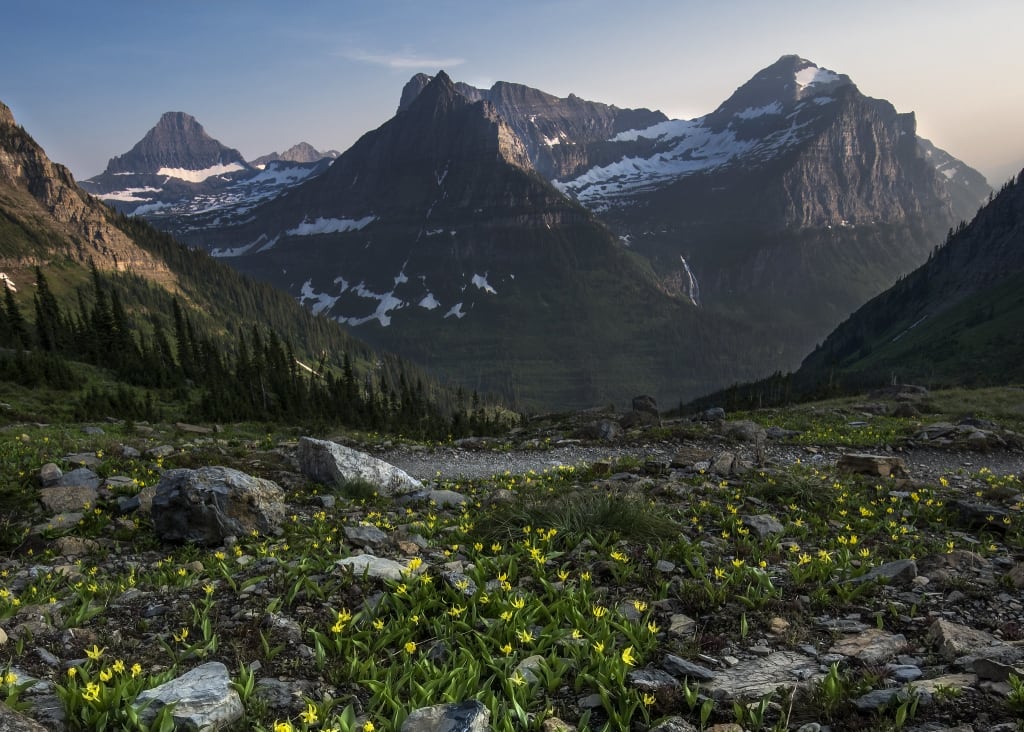
Alpine ecosystems are some of the most fascinating and fragile natural environments on Earth. Found in high-altitude regions above the tree line, these ecosystems are characterized by extreme weather conditions, unique plant and animal life, and vital ecological functions. From the towering peaks of the Himalayas to the majestic Rocky Mountains, alpine ecosystems play a crucial role in biodiversity and climate regulation.
(I)Characteristics of Alpine Ecosystems
Alpine ecosystems are defined by their high-altitude location, typically above 3,000 meters (10,000 feet), though this varies by latitude. These ecosystems are subjected to harsh conditions, including:
Low Temperatures: Due to high altitude, temperatures in alpine regions remain low, often dropping below freezing even during summer nights.
Strong Winds: Wind speeds can be severe, affecting soil stability and plant growth.
Short Growing Season: The cold temperatures and late snowfall limit plant growth to a short summer season.
High UV Radiation: With thinner air at higher elevations, ultraviolet radiation is stronger, impacting both flora and fauna.
Low Oxygen Levels: Reduced atmospheric pressure results in lower oxygen levels, affecting both plants and animals.
(II)Flora in Alpine Ecosystems
Despite the harsh conditions, alpine ecosystems host a variety of resilient plant species adapted to extreme climates. These adaptations include:
Low-Growing Vegetation: Plants tend to be small and close to the ground to avoid damage from strong winds.
Deep Root Systems: Many alpine plants have deep roots to access water and anchor themselves against wind.
Waxy or Hairy Leaves: These features help retain moisture and protect against cold temperatures.
Common alpine plants include:
Alpine Mosses and Lichens: Among the first colonizers of rocky environments.
Edelweiss (Leontopodium alpinum): A famous alpine plant adapted to extreme conditions.
Arctic Willow (Salix arctica): A dwarf shrub that survives in tundra and alpine regions.
Alpine Wildflowers: Such as blue gentian and mountain avens, which add color to alpine meadows during the short growing season.
(III)Fauna in Alpine Ecosystems
Animals in alpine ecosystems have also developed unique adaptations to survive. Many species have thick fur, large lungs, and efficient metabolism to cope with the cold and low oxygen levels.
Some iconic alpine animals include:
Snow Leopard (Panthera uncia): Found in the Himalayas, this elusive predator has thick fur and large nasal cavities to survive in cold, thin air.
Alpine Ibex (Capra ibex): Known for its agility, this mountain goat thrives on steep rocky slopes.
Marmots (Marmota spp.): These rodents hibernate to conserve energy during winter.
Pikas (Ochotona spp.): Small relatives of rabbits that store food for the long winter.
Golden Eagle (Aquila chrysaetos): A bird of prey that soars above alpine ridges, hunting smaller animals.
(IV)Ecological Importance of Alpine Ecosystems
Alpine ecosystems provide numerous ecological services, including:
Water Regulation: Alpine regions act as water towers, supplying fresh water to millions of people through glaciers and mountain streams.
Carbon Storage: Alpine plants and soils store carbon, helping to regulate the global climate.
Biodiversity Hotspots: Many rare and endemic species are found exclusively in alpine regions.
Climate Indicators: Changes in alpine ecosystems provide early warnings of climate change.
(V)Threats to Alpine Ecosystems
Despite their resilience, alpine ecosystems are highly vulnerable to human activities and climate change. Major threats include:
Global Warming: Rising temperatures lead to glacial melting, habitat loss, and shifts in plant and animal populations.
Tourism and Recreation: Hiking, skiing, and infrastructure development disrupt fragile habitats.
Deforestation and Agriculture: In some regions, overgrazing and logging threaten alpine vegetation.
Pollution: Airborne pollutants, including black carbon and microplastics, impact alpine water and soil quality.
(VI)Conservation Efforts
Protecting alpine ecosystems requires a combination of conservation policies, sustainable tourism, and climate action. Some strategies include:
Protected Areas: National parks and wildlife reserves help safeguard biodiversity.
Sustainable Tourism Practices: Promoting eco-friendly travel minimizes environmental impact.
Reforestation and Habitat Restoration: Efforts to restore degraded alpine areas can support ecosystem recovery.
Scientific Research and Monitoring: Studying alpine climate change impacts helps develop effective conservation strategies.
IN THE END
Alpine ecosystems are breathtaking landscapes that support a unique array of plants, animals, and ecological functions. However, they face increasing threats from human activities and climate change. By prioritizing conservation efforts and sustainable practices, we can ensure these fragile environments remain intact for future generations. The survival of alpine ecosystems is not just a concern for mountain dwellers but for the entire planet, as they play a crucial role in global biodiversity and climate stability.
About the Creator
Badhan Sen
Myself Badhan, I am a professional writer.I like to share some stories with my friends.
Keep reading
More stories from Badhan Sen and writers in Earth and other communities.
Freshwater ecosystems (lakes, rivers, wetlands)
Freshwater ecosystems are vital components of the Earth's natural environment, providing habitat for diverse species, regulating climate, and supporting human activities. These ecosystems include lakes, rivers, and wetlands, each possessing unique characteristics and ecological functions. Understanding their significance and the challenges they face is crucial for their conservation and sustainable management.
By Badhan Senabout a year ago in Earth
Teitiota v. New Zealand 🌊
This article is Part IV of an investigative series about climate migration. For Part III of Escaping Atlantis, click here. Iaone Teitiota (pronounced Tes-see-yo-ta) is a Kiribati climate migrant. Teitiota claimed New Zealand violated his right to life by denying his refugee application.
By DJ Nuclear Wintera day ago in Earth


Comments
There are no comments for this story
Be the first to respond and start the conversation.