
Blizzard updates: 9,000 flights canceled and thousands left without power as winter storm pummels the Northeast
Airports shut down, roads turn treacherous, and emergency crews scramble as a powerful nor’easter unleashes historic snowfall and widespread outages across the region.
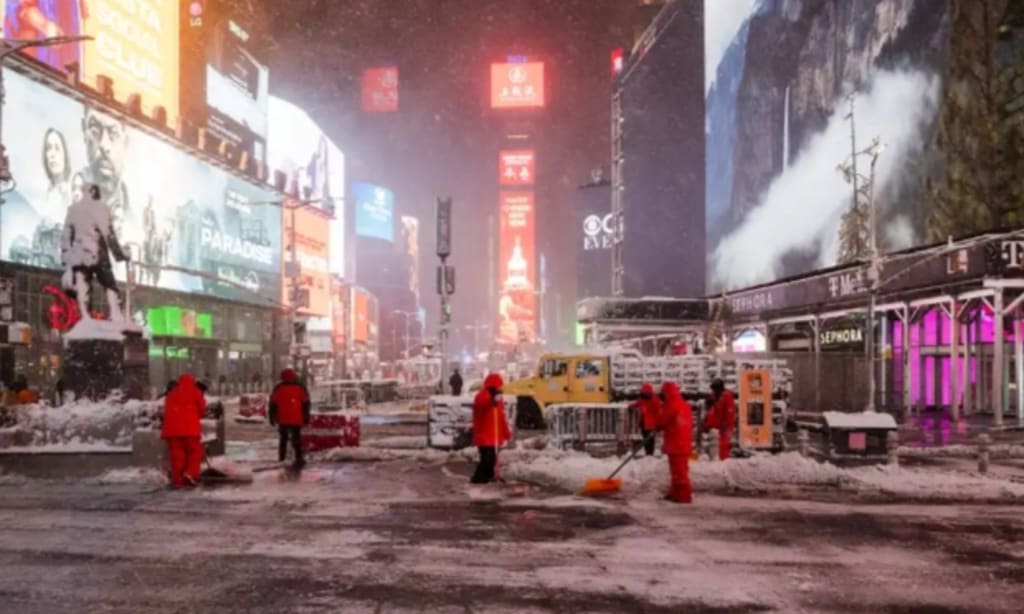
A powerful winter storm has brought much of the Northeastern United States to a standstill, canceling more than 9,000 flights, knocking out power to thousands of homes, and burying cities under heavy snow and whipping winds. From major metropolitan hubs to small coastal towns, residents are digging out while officials warn that hazardous conditions could persist even after snowfall tapers off.
Meteorologists describe the system as a high-impact nor’easter fueled by frigid Arctic air colliding with moisture from the Atlantic. The result: blizzard warnings, whiteout conditions, and travel disruptions across multiple states.
Airports Paralyzed Across the Region
Air travel has taken one of the hardest hits. Major hubs including John F. Kennedy International Airport, LaGuardia Airport, and Logan International Airport reported widespread cancellations as runways were blanketed with snow and strong crosswinds made landings dangerous.
Airlines preemptively grounded aircraft ahead of the storm’s peak, but conditions worsened faster than many expected. De-icing crews worked around the clock, yet visibility dropped to near zero in some areas, making safe operations nearly impossible.
Passengers found themselves stranded in terminals, scrambling to rebook flights as ripple effects spread nationwide. Because these airports serve as critical connection points, cancellations extended far beyond the Northeast.
Transportation officials are urging travelers to check airline updates frequently and avoid unnecessary trips until the storm system fully clears.
Power Outages and Utility Struggles
Heavy, wet snow combined with wind gusts exceeding 50 miles per hour has toppled trees and power lines across several states. Utility companies report thousands of customers without electricity, particularly in coastal Massachusetts, parts of Connecticut, and upstate New York.
Restoration efforts have been slowed by hazardous road conditions. Crews face icy streets, fallen debris, and continued gusting winds that threaten additional outages.
Officials warn that some residents could remain without power for extended periods if damage assessments reveal widespread infrastructure impacts. Emergency shelters have opened in some communities to provide warmth and charging stations.
Authorities are reminding residents to use generators safely and avoid indoor use of grills or open flames, as carbon monoxide poisoning risks increase during prolonged outages.
Snowfall Totals Break Records
Snowfall totals vary widely, but many cities are reporting double-digit accumulations. Boston neighborhoods have seen over a foot of snow, while parts of Rhode Island and eastern Connecticut have recorded even higher totals.
In New York City, Central Park measurements climbed steadily as bands of heavy snow stalled over the region. Meteorologists say the storm’s slow-moving nature contributed to higher accumulations.
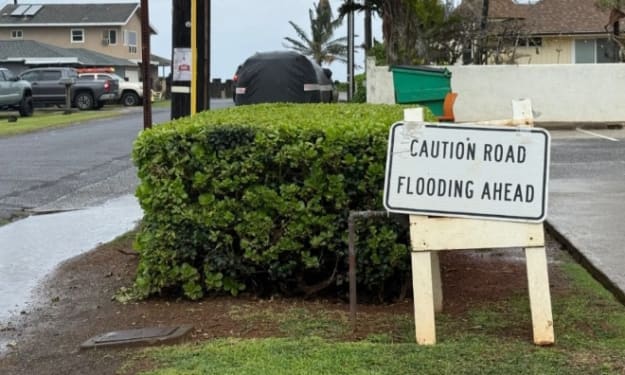
Coastal flooding has also compounded the damage in some areas. Astronomical high tides combined with strong onshore winds have led to minor to moderate flooding along parts of the Massachusetts shoreline.
Local officials are urging residents to stay off roads unless absolutely necessary. Snow removal crews are working continuously, but drifting and blowing snow are re-covering cleared streets in some areas.
Public Transit and Road Conditions
Public transportation systems have faced significant disruptions. Some commuter rail lines suspended service due to downed wires and frozen switches, while bus routes were delayed or rerouted.
State police across multiple Northeastern states reported hundreds of crashes and spinouts as drivers attempted to navigate slick highways. Many governors declared states of emergency to mobilize National Guard units and expedite storm response resources.
Salt trucks and plows are prioritizing major highways and emergency routes, but residential streets may take longer to clear.
Officials stress that even after snowfall ends, black ice will pose a continued threat as temperatures remain below freezing.
Economic Impact Ripples
The storm’s financial consequences are expected to be substantial. Beyond airline losses, businesses across the region closed early or remained shuttered entirely. Retailers, restaurants, and small enterprises face revenue setbacks, particularly if cleanup stretches into multiple days.
Supply chain disruptions are also possible. Delays in trucking routes and airport cargo operations may affect deliveries of goods and essential supplies.
Insurance claims related to property damage — including roof collapses and flooding — are likely to rise in the coming weeks.
Community Response and Resilience
Despite the chaos, stories of community solidarity have emerged. Neighbors are helping shovel driveways, delivering groceries to elderly residents, and checking on vulnerable individuals.
Emergency responders continue to field calls for stranded motorists and medical transport needs. Hospitals remain operational, though some non-urgent procedures have been postponed.
City leaders are praising first responders and utility crews for their around-the-clock efforts under dangerous conditions.
When Will Conditions Improve?
Forecasters say the heaviest snowfall is expected to taper off as the storm system moves offshore. However, lingering wind gusts could continue to create blowing snow and reduced visibility.
Clear skies may
About the Creator
Donald Trump warned that the world has just ten days to find out whether Iran will accept a new agreement, cautioning that serious consequences could follow if no deal is reached.
US President Donald Trump says that the world will find out over the ten days if the United States will make a deal with Iran or take military action.
By The Academy Awards4 days ago in Earth


Comments
There are no comments for this story
Be the first to respond and start the conversation.