
Coral reefs and marine biodiversity
Coral reefs are among the most diverse and valuable ecosystems on Earth, often referred to as the "rainforests of the sea.

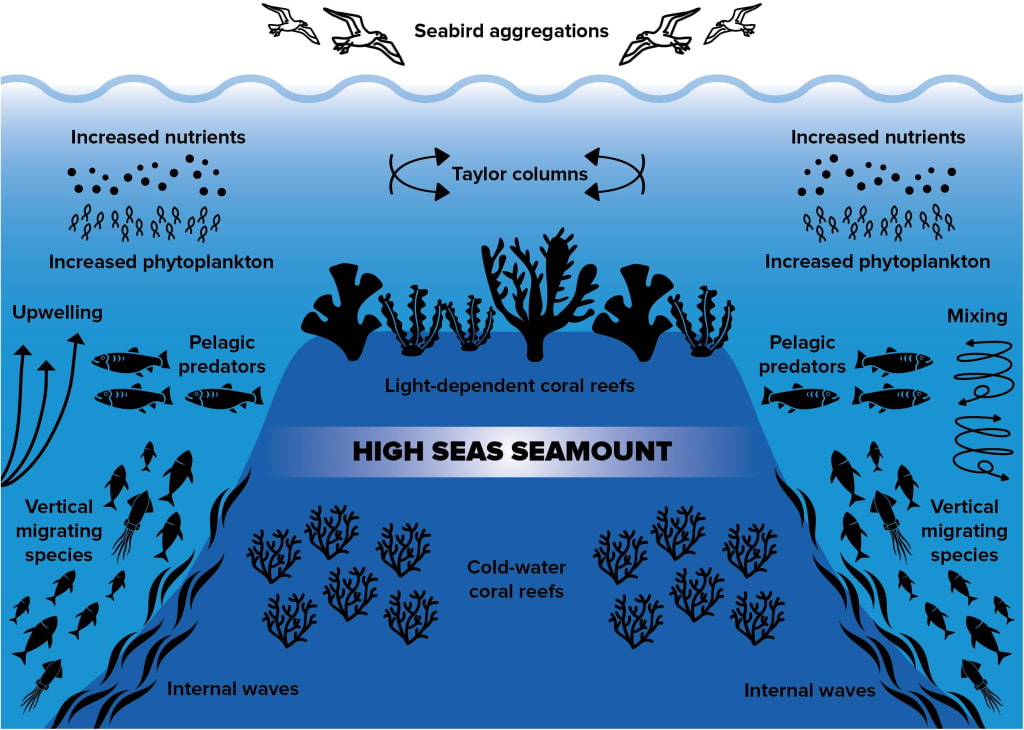
Coral Reefs and marine biodiversity underwater structures provide habitat for an astonishing variety of marine life, support fisheries, protect coastlines, and contribute to global biodiversity. Despite covering less than 1% of the ocean floor, coral reefs are home to approximately 25% of all marine species, making them essential to the health of the world's oceans.
(I)What Are Coral Reefs?
Coral reefs are large underwater structures composed of calcium carbonate secreted by corals. Corals are tiny marine invertebrates that live in colonies and form these massive reef structures over thousands of years. They thrive in warm, shallow waters, typically in tropical and subtropical regions. The three main types of coral reefs are:
Fringing Reefs: These reefs are directly attached to a coastline or border an island.
Barrier Reefs: These reefs run parallel to a shore but are separated by a deeper lagoon.
Atolls: Ring-shaped reefs that encircle a lagoon, often formed around submerged volcanic islands.
(II)Importance of Coral Reefs in Marine Biodiversity
Coral reefs support an incredible array of marine life, including fish, mollusks, sea turtles, sharks, and crustaceans. They serve as:
Nurseries for Fish Species: Many fish species depend on coral reefs for spawning and early development before migrating to deeper waters.
Shelter for Marine Organisms: The complex structures of coral reefs provide hiding spots and habitats for many marine species, increasing survival rates.
Food Source: Corals and reef-dwelling organisms sustain a wide range of predators and prey, forming a balanced marine ecosystem.
(III)Threats to Coral Reefs
Despite their ecological importance, coral reefs are under severe threat due to human activities and climate change. Major threats include:
Climate Change and Ocean Acidification: Rising sea temperatures cause coral bleaching, where corals expel their symbiotic algae, leading to stress and potential death. Increased CO2 levels also result in ocean acidification, weakening coral skeletons.
Overfishing and Destructive Fishing Practices: Unsustainable fishing methods, such as blast fishing and cyanide fishing, damage coral structures and deplete fish populations.
Pollution: Industrial waste, agricultural runoff, plastic pollution, and untreated sewage introduce harmful chemicals into marine environments, suffocating and poisoning corals.
Coastal Development: Construction activities, dredging, and land reclamation disturb coral ecosystems and lead to sedimentation, which blocks sunlight and suffocates corals.
Tourism and Recreational Activities: Unregulated tourism, anchoring of boats, and careless diving practices contribute to physical damage and degradation of coral reefs.
(IV)Conservation and Restoration Efforts
To preserve coral reefs and their biodiversity, global conservation efforts are being implemented, including:
Marine Protected Areas (MPAs): Designating MPAs helps restrict harmful activities, protect habitats, and promote sustainable fisheries.
Coral Restoration Projects: Coral farming and transplantation techniques, such as artificial reefs and coral gardening, aim to restore damaged coral populations.
Climate Change Mitigation: Reducing carbon emissions and promoting renewable energy sources help mitigate the effects of global warming and ocean acidification.
Sustainable Fishing Regulations: Enforcing fishing bans, size limits, and quotas protect fish populations and allow coral ecosystems to recover.
Public Awareness and Education: Engaging local communities, educating tourists, and promoting eco-friendly practices can significantly contribute to reef conservation.
(V)The Future of Coral Reefs
The future of coral reefs depends on collective global efforts to combat climate change, reduce pollution, and enforce conservation policies. Scientists are also exploring innovative solutions, such as breeding heat-resistant corals, using artificial reefs, and implementing large-scale restoration projects. Without immediate action, coral reefs face a grim future, leading to severe consequences for marine biodiversity and human communities that depend on them.
IN THE END
Coral reefs are vital to marine biodiversity, providing habitat, food, and protection to countless species. However, they face unprecedented threats due to climate change, pollution, and human activities. Conservation efforts must be strengthened through policies, awareness, and sustainable practices to ensure the survival of these extraordinary ecosystems. Protecting coral reefs is not just about preserving marine life; it is about safeguarding the health of our planet for future generations.
About the Creator
Badhan Sen
Myself Badhan, I am a professional writer.I like to share some stories with my friends.
Keep reading
More stories from Badhan Sen and writers in Earth and other communities.
Rainforests (congo Basin)
The Congo Basin is home to the second-largest rainforest in the world, spanning across six Central African countries: Cameroon, Central African Republic, Republic of the Congo, Democratic Republic of the Congo (DRC), Equatorial Guinea, and Gabon. Covering over 500 million acres, it is often referred to as the "lungs of Africa" due to its crucial role in regulating the Earth’s climate. This vast and biodiverse ecosystem is essential for maintaining global environmental balance, supporting indigenous communities, and housing countless plant and animal species. However, the Congo rainforest faces serious threats from deforestation, climate change, and human activities, making its preservation a global priority.
By Badhan Senabout a year ago in Earth
The Emerald Jewel in the Cosmic Tapestry
Earth, our vibrant home, is far more than just a planet; it is a meticulously crafted masterpiece, an emerald jewel suspended in the cold, vast expanse of the cosmos. It’s a place where the improbable coalesces into the miraculous, where every element, from its celestial dance to its intricate internal rhythms, conspires to foster and sustain an astonishing diversity of life. The designation "miracle planet" isn't hyperbole; it's an understatement of a cosmic ballet performed with breathtaking precision.
By Being Inquisitiveabout 5 hours ago in Earth
The Cave Part 6
If you have ever heard a tale about yourself that you cannot remember and doubtless think is made up, you will know how I felt when Tharkin related all that the eagle had seen of me before my memories were scattered. Of far distances and traveling companions that I did not recall, camping out under the stars and making our way to the mountains with deliberate purpose. The great bird had lost contact with my party once we entered the forests, and the seven other members were not seen again by him or his brethren since.
By Jamye Sharp6 days ago in Chapters



Comments (1)
Love this . Great work.