Climate
Weather Warnings Issued as Storm Chandra Approaches. AI-Generated.
As the weather patterns continue to shift across the globe, the threat of severe storms has become more prominent. In the latest development, Storm Chandra is making its way across the region, prompting meteorologists and local authorities to issue weather warnings for several areas. With high winds, heavy rain, and potential flooding on the horizon, it’s crucial for everyone to stay informed and take necessary precautions to stay safe. Storm Chandra, named by the weather service, has been developing over the past few days and is now nearing landfall. While it's difficult to predict the exact path and intensity of the storm, experts are warning that its effects could be widespread. Here’s what we know so far and how you can prepare for the storm’s impact. Understanding Storm Chandra: The Current Forecast Storm Chandra is classified as a tropical storm that has gained strength in the past 24 hours, moving steadily toward the mainland. Meteorologists have reported that the storm is expected to intensify further over the next several days, with winds reaching up to 100 km/h (62 mph) and heavy rainfall across affected regions. Key Factors of the Storm: Wind Speed: Tropical storm-strength winds could cause damage to trees, power lines, and buildings, particularly in coastal areas. Rainfall: The storm is expected to bring heavy rainfall, which may lead to localized flooding, especially in low-lying areas. In some regions, rainfall totals could exceed 200 mm (8 inches). Storm Surge: Coastal areas are at risk of storm surge and rising sea levels, which could cause significant flooding along the shorelines. Tornado Potential: While not common in all tropical storms, Storm Chandra has the potential to spawn isolated tornadoes as it moves inland. The storm's movement remains unpredictable, and its exact trajectory could change over the next few hours. While it’s currently tracking towards the eastern coast, authorities are urging residents across a wider area to remain prepared. Areas Affected: Which Regions Should Be Concerned? As of the latest updates, several regions are under weather warnings as Storm Chandra approaches. Local governments have issued advisories and alerts for the following: 1. Coastal Communities Due to the proximity of the storm to the ocean, coastal communities are expected to face the brunt of the storm’s impact. Strong winds, heavy rain, and rising tides could cause significant coastal flooding. Residents in these areas are advised to evacuate if instructed and to take all precautions to secure their homes and property. 2. Inland Regions While the storm will weaken as it moves inland, heavy rain and flash flooding are still concerns for inland areas. Flood-prone regions, especially near rivers and streams, should remain vigilant for rising water levels. 3. Mountainous Areas Some mountainous regions could experience mudslides due to the intense rainfall and saturated ground. Those in highland areas should be prepared for potential road closures and hazardous travel conditions. Weather Warnings and Alerts: What Do They Mean? Weather warnings are an essential part of the preparation process for any storm, and Storm Chandra is no exception. The following warnings have been issued: 1. Tropical Storm Warning A Tropical Storm Warning has been issued for several coastal and near-coastal areas. This means that tropical storm conditions, including strong winds and heavy rain, are expected within 36 hours. Local authorities will provide evacuation instructions for vulnerable areas. 2. Flood Warning Areas that are most likely to experience heavy rainfall and localized flooding have been placed under flood warnings. Flash floods can occur rapidly, especially in areas with poor drainage systems or already saturated ground. 3. Storm Surge Advisory Coastal communities are under a storm surge advisory, which warns of the potential for elevated water levels and coastal flooding. In the worst-case scenario, storm surges could inundate beach-front properties and low-lying areas along the shore. 4. Tornado Watch In addition to the threats posed by the storm itself, a tornado watch has been issued for areas inland, particularly in the storm's path. Although tornadoes are less common in tropical storms, the risk of short-lived tornadoes increases in the right conditions. How to Prepare for Storm Chandra While the exact path of the storm is still uncertain, preparation is key to ensuring your safety and minimizing damage. Here’s how to get ready for the storm: 1. Secure Your Property Windows & Doors: Reinforce windows and doors with storm shutters or plywood if possible. Strong winds can shatter windows and cause flying debris, which can be dangerous. Outdoor Objects: Bring in outdoor furniture, tools, or anything that could become a projectile in high winds. Flood Barriers: If you live in an area prone to flooding, consider setting up flood barriers or sandbags around your property. 2. Emergency Kit Make sure you have an emergency kit that includes: Non-perishable food and water for at least three days Flashlights, batteries, and a battery-powered radio A first-aid kit Important documents (stored in waterproof containers) Medications and personal hygiene items A portable phone charger 3. Evacuation Plans If you live in a flood-prone or coastal area, have an evacuation plan in place. Know the routes to take and the locations of emergency shelters. If authorities issue an evacuation order, follow it immediately. 4. Stay Informed Keep a weather app on your phone and stay tuned to local news broadcasts. Follow the instructions provided by local authorities regarding road closures, evacuation orders, and shelter locations. Have a battery-powered radio in case of power outages, so you can continue to receive weather updates. The Aftermath: What to Expect After the Storm Once Storm Chandra has passed, it’s important to stay cautious. Here’s what to keep in mind in the aftermath of a storm: 1. Flooding and Debris Once the rain subsides, expect significant debris and potential road blockages. Avoid driving through flooded areas and be wary of downed power lines. 2. Power Outages The storm's impact on power lines could lead to widespread outages, potentially lasting for several days. Check your supplies and have backup power options if needed. 3. Damage Assessment and Clean-Up Once authorities declare areas safe, begin the clean-up process. Wear protective gear when handling debris and avoid contact with floodwaters, as they can carry harmful bacteria. Conclusion: Storm Chandra’s Path and Preparation As Storm Chandra approaches, it’s crucial to stay informed, prepared, and ready to take action. With weather warnings issued across multiple regions, it’s clear that the storm could bring significant challenges. However, with careful planning and a proactive approach, you can minimize the risks to yourself, your family, and your property. Remember: Safety first. Follow the advice of local authorities, have an emergency kit ready, and secure your property. By staying vigilant and prepared, you’ll be better equipped to face Storm Chandra head-on.
By Aarif Lashari12 days ago in Earth
Understanding the Air Quality Index: Why Breathing Bad Air Feels Like Lighting Up a Pack
In a world where wildfires burn longer, cities are filled with traffic fumes, and industrial emissions linger, the quality of the air we breathe is under intense scrutiny. As we move into 2026, recent reports highlight a troubling reality: global particulate matter (PM2.5) concentrations climbed by 1.5% in 2023 compared to the previous year. This pushed levels nearly five times above World Health Organization guidelines in many areas.
By Walter Schiller-Anders12 days ago in Earth
‘We Are Heartbroken’: The Traitors Winner Rachel Duffy Announces the Death of Her Mum. AI-Generated.
A Heartbreaking Announcement Rachel Duffy, the recent winner of The Traitors, has announced the death of her mother, sharing the deeply personal news with fans in an emotional statement. Known for her resilience, intelligence, and warmth on the hit TV show, Duffy revealed that her family is “heartbroken” as they grieve a profound loss.
By Aarif Lashari12 days ago in Earth
All Holidays Cancelled as UK Holiday Firm Goes Bust. AI-Generated.
Holiday Firm Collapse Sparks Chaos A major UK holiday company has gone bust, resulting in the cancellation of all booked holidays. The collapse has left thousands of travellers without trips, refunds, or alternative arrangements, sparking frustration and concern among affected customers.
By Aarif Lashari12 days ago in Earth
Trump Sacks Border Chief After Fatal ICE Shootings. AI-Generated.
Overview of the Decision Former President Donald Trump has reportedly dismissed the chief of US Customs and Border Protection (CBP) in the wake of fatal shootings involving Immigration and Customs Enforcement (ICE) officers. This decision comes amid growing scrutiny of border enforcement policies and questions about the conduct and accountability of federal agents.
By Aarif Lashari12 days ago in Earth
China Hacked Downing Street Phones for Years. AI-Generated.
Allegations of Long-Term Espionage Recent reports suggest that Chinese cyber operatives hacked into phones and communication networks at Downing Street, the seat of the UK government, over a period of several years. The revelations have triggered alarms in the British government and highlighted the growing threat of state-sponsored cyber espionage.
By Aarif Lashari12 days ago in Earth
Deadly Nipah Virus Outbreak. AI-Generated.
In recent years, the world has become painfully familiar with viral outbreaks. From COVID-19 to Ebola, infectious diseases have repeatedly reminded humanity how fragile global health systems can be. Among these threats, the Nipah virus stands out as one of the deadliest and least understood viruses, capable of causing severe illness and sudden outbreaks with devastating consequences. Although Nipah virus outbreaks are relatively rare, their high fatality rate and lack of a specific cure make them a serious public health concern. Each new outbreak reignites fears and highlights the urgent need for awareness, preparedness, and global cooperation. What Is the Nipah Virus? The Nipah virus is a zoonotic virus, meaning it spreads from animals to humans. It was first identified in 1998 during an outbreak among pig farmers in Malaysia. Since then, cases have been reported mainly in South and Southeast Asia, including Bangladesh and India. Fruit bats, particularly those from the Pteropus species, are considered the natural carriers of the virus. These bats often show no symptoms but can transmit the virus to humans either directly or through intermediate hosts such as pigs. Human-to-human transmission has also been documented, making outbreaks especially difficult to contain. How Nipah Virus Spreads One of the most alarming aspects of the Nipah virus outbreak is how easily it can spread in certain environments. Common modes of transmission include: Direct contact with infected animals Consumption of food contaminated by bat saliva or urine, such as raw date palm sap Close contact with infected individuals, especially in healthcare or household settings In many affected regions, traditional practices and limited access to healthcare increase the risk of exposure. Once the virus enters a community, it can spread rapidly if preventive measures are not taken seriously. Symptoms and Severity The symptoms of Nipah virus infection can vary widely, which often makes early diagnosis difficult. Initial symptoms may resemble common illnesses, including: Fever Headache Muscle pain Vomiting and sore throat However, the disease can quickly progress to severe neurological complications such as encephalitis (brain inflammation). In advanced cases, patients may experience confusion, seizures, coma, and respiratory distress. What makes Nipah virus particularly deadly is its high mortality rate, which has ranged from 40% to as high as 75% in some outbreaks. Survivors may also suffer long-term neurological problems, significantly impacting their quality of life. Recent Outbreaks and Global Concern Each new Nipah virus outbreak raises international alarm, not only because of its fatality rate but also due to its potential to spark a larger epidemic. The World Health Organization (WHO) has listed Nipah virus as a priority pathogen, meaning it has the potential to cause a public health emergency with limited treatment options available. Recent outbreaks, even when limited to a few cases, have required massive public health responses, including contact tracing, quarantines, and community lockdowns. These measures, while effective, place immense strain on healthcare systems and local economies. The fear is not just about the present outbreak but about the virus’s potential to mutate and spread more efficiently among humans in the future. Why There Is No Cure Yet Currently, there is no specific antiviral treatment or approved vaccine for the Nipah virus. Medical care focuses on managing symptoms and providing supportive treatment, such as respiratory support and intensive care when needed. Several experimental treatments and vaccines are under development, but progress is slow due to the sporadic nature of outbreaks and limited funding compared to more widespread diseases. This lack of a cure makes prevention the most powerful tool in fighting Nipah virus outbreaks. Prevention and Control Measures Preventing a Nipah virus outbreak relies heavily on public awareness and early action. Key preventive strategies include: Avoiding consumption of raw or unprocessed foods that may be contaminated Limiting contact with bats and sick animals Using protective equipment when caring for infected individuals Strengthening infection control practices in hospitals Governments and health organizations also play a crucial role by monitoring potential hotspots, educating communities, and responding swiftly to suspected cases. The Role of Global Awareness The deadly nature of the Nipah virus is a stark reminder that global health threats do not respect borders. An outbreak in a small village can quickly become an international concern if ignored. This is why transparency, rapid reporting, and global cooperation are essential. Raising awareness through accurate information helps prevent panic while encouraging responsible behavior. Media outlets, healthcare professionals, and policymakers must work together to ensure communities understand both the risks and the protective measures. Looking Ahead As the world continues to recover from recent pandemics, the Nipah virus outbreak serves as a warning rather than a prediction. It highlights the importance of investing in research, strengthening healthcare infrastructure, and respecting the delicate balance between humans and wildlife. While Nipah virus may not yet be a household name, its potential impact is undeniable. Preparedness today can save countless lives tomorrow. By staying informed and supporting global health initiatives, humanity can reduce the risk posed by this silent but deadly threat.
By Saboor Brohi 12 days ago in Earth
An increase in Mediterranean climate extremes is recorded by pine trees.
Eastern Spain's pine trees are a silent archive of weather history. Mountain pines used wood rings to record wet and dry years long before rain gauges and satellites were invented. Now, when scientists study those rings, they find a blatant warning.
By Francis Dami12 days ago in Earth
Orlando experiences a rare prolonged cold as colder temperatures return to central Florida.
Orlando — a city known for warm breezes, sunshine, and mild winter days — has been experiencing a winter chapter more reminiscent of northern states than Central Florida. Residents have been bundled up in coats and reaching for heaters that are typically hidden during this time of year, as what began as a brief burst of cold air has grown into a "frigid, multi-day cold spell." The cold arrived without much fanfare, but it has stuck around for a remarkable amount of time. Forecasters say the chill is likely to last longer than most Floridians can remember. Instead of a brief dip, the thermometer has been well below seasonal norms for several days. Locals are pondering the question of when the temperature in Orlando last dropped to such lows.
By Raviha Imran12 days ago in Earth
Minister Claims 'Sabotage' Behind Chagos Debate Delay. AI-Generated.
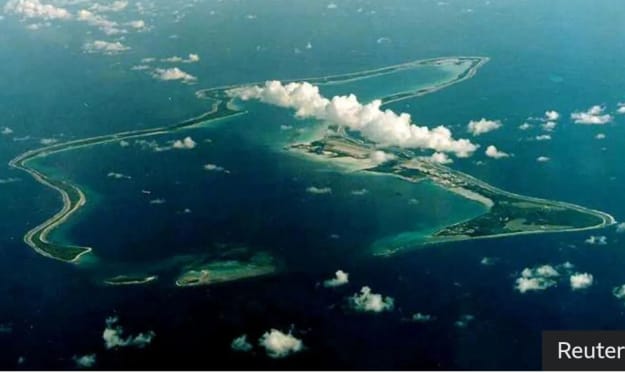
The Controversial Chagos Debate The debate over the Chagos Islands, a British Overseas Territory in the Indian Ocean, has been a contentious issue for decades. The islands, home to the Chagossian people, were evacuated in the 1960s and 1970s to make way for a US military base on Diego Garcia. Recent parliamentary sessions aimed to address ongoing claims for resettlement, compensation, and sovereignty, but the discussion has reportedly been delayed under unusual circumstances. According to a statement from a UK minister, the delay may not be procedural but deliberate “sabotage”, designed to prevent timely debate on this long-standing issue. What the Minister Said In a recent press conference, the minister emphasized that the parliamentary delay is unusual and suspicious. While refusing to name specific individuals, the official suggested that political interests or external pressures may have influenced the postponement. The minister stated: “We are aware of actions that have undermined the scheduling of this debate. We will not allow the voices of the Chagossian people to be ignored.” This strong language has sparked both media attention and political discussion, highlighting the sensitivity of the Chagos issue on national and international levels. Historical Context of the Chagos Islands Understanding the delay requires some historical context: The Chagossians were forcibly removed from their homeland between 1968 and 1973. The islands were leased to the United States for a military base, primarily on Diego Garcia. Legal battles and UN resolutions have since called for the right of the Chagossians to return and compensation for lost property. These historical grievances have made the islands a symbol of colonial legacy and human rights struggles, intensifying the political significance of any parliamentary debate. Political Ramifications The minister’s accusation of sabotage has sparked political debate: Opposition parties have demanded a transparent investigation into the delay. Advocacy groups for the Chagossian people have condemned the postponement as further marginalization of a historically displaced community. Analysts suggest the delay may be related to diplomatic sensitivities, as the UK maintains a strategic partnership with the United States, particularly regarding military operations on Diego Garcia. The controversy reflects a tension between human rights advocacy and geopolitical strategy, a balancing act often faced in foreign policy decisions. Reactions from the Chagossian Community The Chagossian diaspora, largely based in Mauritius and the UK, has reacted strongly to the minister’s statement: Many activists see the delay as evidence of continued neglect by the British government. Social media campaigns have called for immediate debate and restitution. Community leaders emphasize that Chagossians deserve transparency, timely action, and recognition of their rights. These responses highlight how the delay has directly affected community morale and advocacy efforts, amplifying calls for accountability. International Implications The Chagos Islands dispute is not only a domestic issue; it has international dimensions: The United Nations General Assembly has repeatedly urged the UK to return the islands to Mauritius. France and other nations have monitored the situation due to strategic interests in the Indian Ocean. The accusation of sabotage may influence diplomatic relations if it suggests internal political maneuvering is hindering compliance with international recommendations. Observers warn that the handling of this debate could have long-term consequences for the UK’s global reputation and human rights credibility. Parliamentary Procedures and Challenges Delays in parliamentary debates can occur for a variety of reasons, but accusations of deliberate sabotage suggest intentional interference. Challenges include: Scheduling conflicts and procedural backlog Political disagreements between parties Influence from external lobbyists or diplomatic pressures Experts emphasize the importance of parliamentary transparency and adherence to democratic norms, particularly when the matter involves historically displaced populations and international scrutiny. Importance of Accountability This controversy underscores the need for government accountability and transparency: Timely debates are essential for upholding the rights of marginalized communities. Parliamentary delays, whether intentional or procedural, can erode public trust. Clear communication regarding causes of delays can mitigate political fallout and misinformation. Advocates argue that maintaining procedural integrity is a matter of both domestic governance and international responsibility. Future Steps and Expectations The minister has indicated that further measures will be taken to ensure the debate proceeds without additional obstruction. Expected steps include: Investigation into the causes of the delay Engagement with Chagossian representatives to understand their concerns Coordinated efforts to address both domestic and international expectations If handled effectively, these steps may restore confidence in the government’s commitment to resolving this long-standing issue. Conclusion The recent accusation of sabotage surrounding the Chagos debate delay highlights the intersection of human rights, political strategy, and international diplomacy. As the UK government navigates these complexities, attention remains on ensuring that the voices of the Chagossian people are heard and that parliamentary processes maintain transparency and accountability. How the situation unfolds will not only impact domestic politics but also signal the UK’s stance on historical injustices and international law compliance. For the Chagossian community and global observers, timely resolution and action are critical to restoring trust and advancing justice.
By Aarif Lashari12 days ago in Earth
White House Backtracks Initial Claims About Alex Pretti After Intense Backlash. AI-Generated.
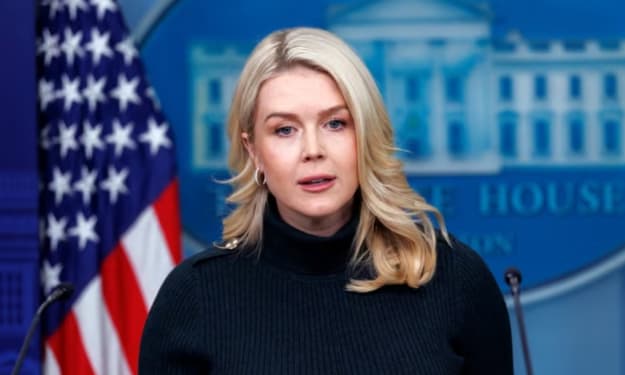
The Controversy Unfolds In recent days, the White House came under scrutiny after making initial claims about Alex Pretti, a figure involved in a politically sensitive incident. The statements, which were widely circulated by mainstream media and social platforms, faced immediate backlash from journalists, politicians, and the public. Critics accused the administration of misrepresenting facts and prematurely assigning narratives, prompting the White House to issue clarifications and revise its official statements. Who Is Alex Pretti? Alex Pretti, a public figure linked to [context-specific involvement, e.g., a political event, policy dispute, or social activism], became the center of national attention due to conflicting reports. Initial White House claims painted Pretti’s actions or statements in a certain light, which opponents argued did not align with evidence or eyewitness accounts. This discrepancy fueled a wider debate about the accuracy of information released by government officials and the consequences of premature public statements. White House Response and Backtrack Facing mounting criticism, White House officials clarified their earlier statements, acknowledging that the initial claims were misleading or incomplete. Spokespersons emphasized that the correction was necessary to ensure the public received accurate information. The revised statement addressed key points: Correcting factual errors from the initial release Acknowledging miscommunication or lack of verification Reassuring the public of commitment to transparency and accountability While the backtrack was intended to restore credibility, many commentators noted that the damage to public trust may be long-lasting, given the widespread media coverage of the original claims. Public and Media Reaction The response from journalists, political analysts, and social media users was immediate: Journalists highlighted the dangers of unverified government statements, emphasizing the need for fact-checking. Political commentators debated whether the administration acted out of political expediency rather than transparency. Social media users expressed skepticism and frustration, with hashtags criticizing the initial claims trending nationally. The incident underscores how rapid dissemination of information in the digital age can amplify errors and make retractions less effective than the original claims. Implications for Government Credibility The Alex Pretti controversy raises questions about government credibility and information management. Experts argue that mistakes like this can have broader consequences for public trust, particularly in an era of heightened political polarization. Key concerns include: Public skepticism toward official statements on sensitive issues Increased reliance on alternative media and citizen reporting to verify facts Pressure on government communications teams to balance speed with accuracy Observers note that while corrections are important, they rarely undo the initial impressions created by early statements. Political Fallout Politicians across the spectrum have weighed in on the situation. Opposition figures have criticized the administration for misleading the public, calling for stronger oversight and accountability measures. Supporters, meanwhile, have emphasized the importance of quickly correcting errors to maintain credibility. The incident is likely to influence how future communications are managed, with officials adopting more cautious approaches to statements involving controversial figures or events. Lessons for Crisis Communication Communication experts highlight several lessons from the Alex Pretti situation: Verify before issuing statements: In politically sensitive situations, fact-checking is essential. Anticipate backlash: Even minor errors can escalate rapidly in the media ecosystem. Act quickly to correct misinformation: Delayed corrections can exacerbate public distrust. Maintain transparency: Open acknowledgment of mistakes helps restore credibility. These principles are critical for government agencies, corporate communications, and public officials, demonstrating how one misstep can dominate headlines and public discourse. Broader Context The controversy also reflects larger trends in political communication, including: The influence of social media in shaping narratives The speed of news cycles, which can pressure officials to release statements before full verification Public demand for accountability and transparency in government Experts argue that the Alex Pretti incident is a reminder of the importance of responsible communication, especially in high-stakes political environments. Conclusion The White House’s backtrack on statements about Alex Pretti illustrates the delicate balance between rapid communication and accuracy in modern politics. While the clarification demonstrates a willingness to correct errors, the incident has already sparked discussions about government transparency, media scrutiny, and public trust. As the public continues to digest these developments, officials may need to reevaluate how sensitive information is communicated, ensuring that future statements are both timely and verified, minimizing the risk of controversy.
By Aarif Lashari12 days ago in Earth