Climate
All Holidays Cancelled as UK Holiday Firm Goes Bust. AI-Generated.
Holiday Firm Collapse Sparks Chaos A major UK holiday company has gone bust, resulting in the cancellation of all booked holidays. The collapse has left thousands of travellers without trips, refunds, or alternative arrangements, sparking frustration and concern among affected customers.
By Aarif Lashari15 days ago in Earth
Trump Sacks Border Chief After Fatal ICE Shootings. AI-Generated.
Overview of the Decision Former President Donald Trump has reportedly dismissed the chief of US Customs and Border Protection (CBP) in the wake of fatal shootings involving Immigration and Customs Enforcement (ICE) officers. This decision comes amid growing scrutiny of border enforcement policies and questions about the conduct and accountability of federal agents.
By Aarif Lashari15 days ago in Earth
China Hacked Downing Street Phones for Years. AI-Generated.
Allegations of Long-Term Espionage Recent reports suggest that Chinese cyber operatives hacked into phones and communication networks at Downing Street, the seat of the UK government, over a period of several years. The revelations have triggered alarms in the British government and highlighted the growing threat of state-sponsored cyber espionage.
By Aarif Lashari15 days ago in Earth
Deadly Nipah Virus Outbreak. AI-Generated.
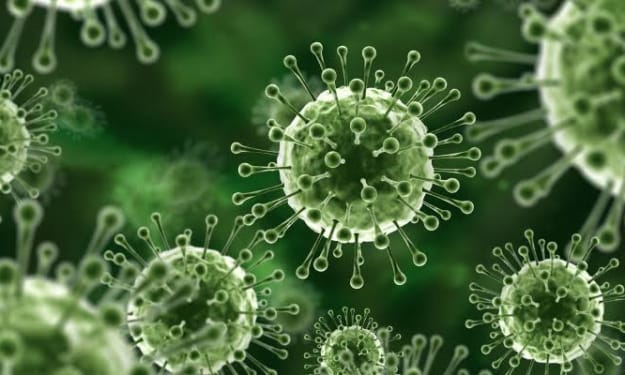
In recent years, the world has become painfully familiar with viral outbreaks. From COVID-19 to Ebola, infectious diseases have repeatedly reminded humanity how fragile global health systems can be. Among these threats, the Nipah virus stands out as one of the deadliest and least understood viruses, capable of causing severe illness and sudden outbreaks with devastating consequences. Although Nipah virus outbreaks are relatively rare, their high fatality rate and lack of a specific cure make them a serious public health concern. Each new outbreak reignites fears and highlights the urgent need for awareness, preparedness, and global cooperation. What Is the Nipah Virus? The Nipah virus is a zoonotic virus, meaning it spreads from animals to humans. It was first identified in 1998 during an outbreak among pig farmers in Malaysia. Since then, cases have been reported mainly in South and Southeast Asia, including Bangladesh and India. Fruit bats, particularly those from the Pteropus species, are considered the natural carriers of the virus. These bats often show no symptoms but can transmit the virus to humans either directly or through intermediate hosts such as pigs. Human-to-human transmission has also been documented, making outbreaks especially difficult to contain. How Nipah Virus Spreads One of the most alarming aspects of the Nipah virus outbreak is how easily it can spread in certain environments. Common modes of transmission include: Direct contact with infected animals Consumption of food contaminated by bat saliva or urine, such as raw date palm sap Close contact with infected individuals, especially in healthcare or household settings In many affected regions, traditional practices and limited access to healthcare increase the risk of exposure. Once the virus enters a community, it can spread rapidly if preventive measures are not taken seriously. Symptoms and Severity The symptoms of Nipah virus infection can vary widely, which often makes early diagnosis difficult. Initial symptoms may resemble common illnesses, including: Fever Headache Muscle pain Vomiting and sore throat However, the disease can quickly progress to severe neurological complications such as encephalitis (brain inflammation). In advanced cases, patients may experience confusion, seizures, coma, and respiratory distress. What makes Nipah virus particularly deadly is its high mortality rate, which has ranged from 40% to as high as 75% in some outbreaks. Survivors may also suffer long-term neurological problems, significantly impacting their quality of life. Recent Outbreaks and Global Concern Each new Nipah virus outbreak raises international alarm, not only because of its fatality rate but also due to its potential to spark a larger epidemic. The World Health Organization (WHO) has listed Nipah virus as a priority pathogen, meaning it has the potential to cause a public health emergency with limited treatment options available. Recent outbreaks, even when limited to a few cases, have required massive public health responses, including contact tracing, quarantines, and community lockdowns. These measures, while effective, place immense strain on healthcare systems and local economies. The fear is not just about the present outbreak but about the virus’s potential to mutate and spread more efficiently among humans in the future. Why There Is No Cure Yet Currently, there is no specific antiviral treatment or approved vaccine for the Nipah virus. Medical care focuses on managing symptoms and providing supportive treatment, such as respiratory support and intensive care when needed. Several experimental treatments and vaccines are under development, but progress is slow due to the sporadic nature of outbreaks and limited funding compared to more widespread diseases. This lack of a cure makes prevention the most powerful tool in fighting Nipah virus outbreaks. Prevention and Control Measures Preventing a Nipah virus outbreak relies heavily on public awareness and early action. Key preventive strategies include: Avoiding consumption of raw or unprocessed foods that may be contaminated Limiting contact with bats and sick animals Using protective equipment when caring for infected individuals Strengthening infection control practices in hospitals Governments and health organizations also play a crucial role by monitoring potential hotspots, educating communities, and responding swiftly to suspected cases. The Role of Global Awareness The deadly nature of the Nipah virus is a stark reminder that global health threats do not respect borders. An outbreak in a small village can quickly become an international concern if ignored. This is why transparency, rapid reporting, and global cooperation are essential. Raising awareness through accurate information helps prevent panic while encouraging responsible behavior. Media outlets, healthcare professionals, and policymakers must work together to ensure communities understand both the risks and the protective measures. Looking Ahead As the world continues to recover from recent pandemics, the Nipah virus outbreak serves as a warning rather than a prediction. It highlights the importance of investing in research, strengthening healthcare infrastructure, and respecting the delicate balance between humans and wildlife. While Nipah virus may not yet be a household name, its potential impact is undeniable. Preparedness today can save countless lives tomorrow. By staying informed and supporting global health initiatives, humanity can reduce the risk posed by this silent but deadly threat.
By Saboor Brohi 15 days ago in Earth
An increase in Mediterranean climate extremes is recorded by pine trees.
Eastern Spain's pine trees are a silent archive of weather history. Mountain pines used wood rings to record wet and dry years long before rain gauges and satellites were invented. Now, when scientists study those rings, they find a blatant warning.
By Francis Dami15 days ago in Earth
Orlando experiences a rare prolonged cold as colder temperatures return to central Florida.
Orlando — a city known for warm breezes, sunshine, and mild winter days — has been experiencing a winter chapter more reminiscent of northern states than Central Florida. Residents have been bundled up in coats and reaching for heaters that are typically hidden during this time of year, as what began as a brief burst of cold air has grown into a "frigid, multi-day cold spell." The cold arrived without much fanfare, but it has stuck around for a remarkable amount of time. Forecasters say the chill is likely to last longer than most Floridians can remember. Instead of a brief dip, the thermometer has been well below seasonal norms for several days. Locals are pondering the question of when the temperature in Orlando last dropped to such lows.
By Raviha Imran15 days ago in Earth
Minister Claims 'Sabotage' Behind Chagos Debate Delay. AI-Generated.
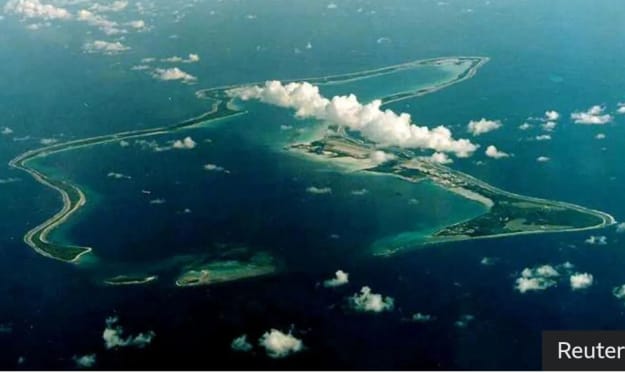
The Controversial Chagos Debate The debate over the Chagos Islands, a British Overseas Territory in the Indian Ocean, has been a contentious issue for decades. The islands, home to the Chagossian people, were evacuated in the 1960s and 1970s to make way for a US military base on Diego Garcia. Recent parliamentary sessions aimed to address ongoing claims for resettlement, compensation, and sovereignty, but the discussion has reportedly been delayed under unusual circumstances. According to a statement from a UK minister, the delay may not be procedural but deliberate “sabotage”, designed to prevent timely debate on this long-standing issue. What the Minister Said In a recent press conference, the minister emphasized that the parliamentary delay is unusual and suspicious. While refusing to name specific individuals, the official suggested that political interests or external pressures may have influenced the postponement. The minister stated: “We are aware of actions that have undermined the scheduling of this debate. We will not allow the voices of the Chagossian people to be ignored.” This strong language has sparked both media attention and political discussion, highlighting the sensitivity of the Chagos issue on national and international levels. Historical Context of the Chagos Islands Understanding the delay requires some historical context: The Chagossians were forcibly removed from their homeland between 1968 and 1973. The islands were leased to the United States for a military base, primarily on Diego Garcia. Legal battles and UN resolutions have since called for the right of the Chagossians to return and compensation for lost property. These historical grievances have made the islands a symbol of colonial legacy and human rights struggles, intensifying the political significance of any parliamentary debate. Political Ramifications The minister’s accusation of sabotage has sparked political debate: Opposition parties have demanded a transparent investigation into the delay. Advocacy groups for the Chagossian people have condemned the postponement as further marginalization of a historically displaced community. Analysts suggest the delay may be related to diplomatic sensitivities, as the UK maintains a strategic partnership with the United States, particularly regarding military operations on Diego Garcia. The controversy reflects a tension between human rights advocacy and geopolitical strategy, a balancing act often faced in foreign policy decisions. Reactions from the Chagossian Community The Chagossian diaspora, largely based in Mauritius and the UK, has reacted strongly to the minister’s statement: Many activists see the delay as evidence of continued neglect by the British government. Social media campaigns have called for immediate debate and restitution. Community leaders emphasize that Chagossians deserve transparency, timely action, and recognition of their rights. These responses highlight how the delay has directly affected community morale and advocacy efforts, amplifying calls for accountability. International Implications The Chagos Islands dispute is not only a domestic issue; it has international dimensions: The United Nations General Assembly has repeatedly urged the UK to return the islands to Mauritius. France and other nations have monitored the situation due to strategic interests in the Indian Ocean. The accusation of sabotage may influence diplomatic relations if it suggests internal political maneuvering is hindering compliance with international recommendations. Observers warn that the handling of this debate could have long-term consequences for the UK’s global reputation and human rights credibility. Parliamentary Procedures and Challenges Delays in parliamentary debates can occur for a variety of reasons, but accusations of deliberate sabotage suggest intentional interference. Challenges include: Scheduling conflicts and procedural backlog Political disagreements between parties Influence from external lobbyists or diplomatic pressures Experts emphasize the importance of parliamentary transparency and adherence to democratic norms, particularly when the matter involves historically displaced populations and international scrutiny. Importance of Accountability This controversy underscores the need for government accountability and transparency: Timely debates are essential for upholding the rights of marginalized communities. Parliamentary delays, whether intentional or procedural, can erode public trust. Clear communication regarding causes of delays can mitigate political fallout and misinformation. Advocates argue that maintaining procedural integrity is a matter of both domestic governance and international responsibility. Future Steps and Expectations The minister has indicated that further measures will be taken to ensure the debate proceeds without additional obstruction. Expected steps include: Investigation into the causes of the delay Engagement with Chagossian representatives to understand their concerns Coordinated efforts to address both domestic and international expectations If handled effectively, these steps may restore confidence in the government’s commitment to resolving this long-standing issue. Conclusion The recent accusation of sabotage surrounding the Chagos debate delay highlights the intersection of human rights, political strategy, and international diplomacy. As the UK government navigates these complexities, attention remains on ensuring that the voices of the Chagossian people are heard and that parliamentary processes maintain transparency and accountability. How the situation unfolds will not only impact domestic politics but also signal the UK’s stance on historical injustices and international law compliance. For the Chagossian community and global observers, timely resolution and action are critical to restoring trust and advancing justice.
By Aarif Lashari16 days ago in Earth
White House Backtracks Initial Claims About Alex Pretti After Intense Backlash. AI-Generated.
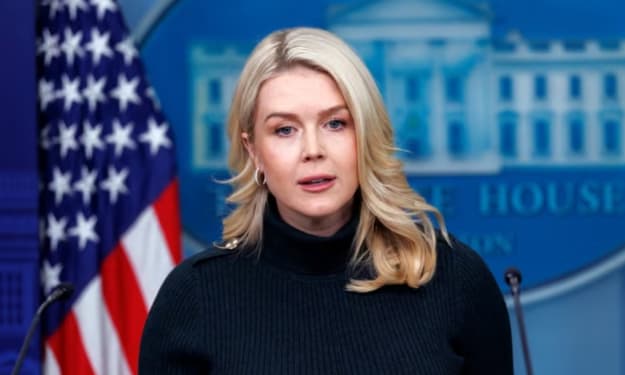
The Controversy Unfolds In recent days, the White House came under scrutiny after making initial claims about Alex Pretti, a figure involved in a politically sensitive incident. The statements, which were widely circulated by mainstream media and social platforms, faced immediate backlash from journalists, politicians, and the public. Critics accused the administration of misrepresenting facts and prematurely assigning narratives, prompting the White House to issue clarifications and revise its official statements. Who Is Alex Pretti? Alex Pretti, a public figure linked to [context-specific involvement, e.g., a political event, policy dispute, or social activism], became the center of national attention due to conflicting reports. Initial White House claims painted Pretti’s actions or statements in a certain light, which opponents argued did not align with evidence or eyewitness accounts. This discrepancy fueled a wider debate about the accuracy of information released by government officials and the consequences of premature public statements. White House Response and Backtrack Facing mounting criticism, White House officials clarified their earlier statements, acknowledging that the initial claims were misleading or incomplete. Spokespersons emphasized that the correction was necessary to ensure the public received accurate information. The revised statement addressed key points: Correcting factual errors from the initial release Acknowledging miscommunication or lack of verification Reassuring the public of commitment to transparency and accountability While the backtrack was intended to restore credibility, many commentators noted that the damage to public trust may be long-lasting, given the widespread media coverage of the original claims. Public and Media Reaction The response from journalists, political analysts, and social media users was immediate: Journalists highlighted the dangers of unverified government statements, emphasizing the need for fact-checking. Political commentators debated whether the administration acted out of political expediency rather than transparency. Social media users expressed skepticism and frustration, with hashtags criticizing the initial claims trending nationally. The incident underscores how rapid dissemination of information in the digital age can amplify errors and make retractions less effective than the original claims. Implications for Government Credibility The Alex Pretti controversy raises questions about government credibility and information management. Experts argue that mistakes like this can have broader consequences for public trust, particularly in an era of heightened political polarization. Key concerns include: Public skepticism toward official statements on sensitive issues Increased reliance on alternative media and citizen reporting to verify facts Pressure on government communications teams to balance speed with accuracy Observers note that while corrections are important, they rarely undo the initial impressions created by early statements. Political Fallout Politicians across the spectrum have weighed in on the situation. Opposition figures have criticized the administration for misleading the public, calling for stronger oversight and accountability measures. Supporters, meanwhile, have emphasized the importance of quickly correcting errors to maintain credibility. The incident is likely to influence how future communications are managed, with officials adopting more cautious approaches to statements involving controversial figures or events. Lessons for Crisis Communication Communication experts highlight several lessons from the Alex Pretti situation: Verify before issuing statements: In politically sensitive situations, fact-checking is essential. Anticipate backlash: Even minor errors can escalate rapidly in the media ecosystem. Act quickly to correct misinformation: Delayed corrections can exacerbate public distrust. Maintain transparency: Open acknowledgment of mistakes helps restore credibility. These principles are critical for government agencies, corporate communications, and public officials, demonstrating how one misstep can dominate headlines and public discourse. Broader Context The controversy also reflects larger trends in political communication, including: The influence of social media in shaping narratives The speed of news cycles, which can pressure officials to release statements before full verification Public demand for accountability and transparency in government Experts argue that the Alex Pretti incident is a reminder of the importance of responsible communication, especially in high-stakes political environments. Conclusion The White House’s backtrack on statements about Alex Pretti illustrates the delicate balance between rapid communication and accuracy in modern politics. While the clarification demonstrates a willingness to correct errors, the incident has already sparked discussions about government transparency, media scrutiny, and public trust. As the public continues to digest these developments, officials may need to reevaluate how sensitive information is communicated, ensuring that future statements are both timely and verified, minimizing the risk of controversy.
By Aarif Lashari16 days ago in Earth
Trump ‘Has Stopped Dyeing His Hair’ and Thinks He Will Be Dead in a Decade,. AI-Generated.
A Surprising Revelation About Trump According to recent reports, former President Donald Trump has reportedly stopped dyeing his hair and has openly mentioned that he believes he may only have about a decade left to live. This personal revelation has surprised the public and media alike, as Trump’s hair has been a defining feature of his persona for decades. The news comes amid ongoing discussions about Trump’s health, legacy, and future political ambitions, offering a rare glimpse into his personal reflections on aging and mortality. The Significance of Hair in Trump’s Public Image For years, Donald Trump’s hair has been iconic and heavily scrutinized, appearing in political cartoons, late-night shows, and public discussions. His distinctive style has often been associated with his brand and image as a larger-than-life figure. Stopping hair dyeing could be interpreted in multiple ways: As a personal choice embracing aging, or A subtle reflection of his acknowledgment of mortality In any case, this change signals a departure from the meticulously maintained public image Trump has cultivated for decades. Trump on Mortality The report suggests that Trump has shared his thoughts about his life expectancy, stating he believes he may die within the next decade. While he has not specified reasons for this belief, it has prompted public discussion about how political figures perceive aging and legacy. Many observers note that contemplation of mortality is not unusual for someone in their mid-70s, yet when expressed publicly by a former world leader, it can influence media coverage, public perception, and political discourse. Public and Media Reaction News of Trump’s decision to stop dyeing his hair and his remarks about life expectancy has led to a mix of reactions: Some view it as a humanizing moment, revealing vulnerability in a figure often portrayed as invincible. Others see it as a potential political signal, possibly affecting perceptions of his energy, future political involvement, or campaign strategies. Social media users and commentators have highlighted the story humorously, reflecting how Trump’s personal choices often become public fascination points. Despite the lighthearted responses online, serious discussions have emerged regarding the intersection of personal health, public image, and political leadership. Aging and Politics Trump’s candid acknowledgment of aging raises broader questions about how political figures confront their mortality while remaining in the public eye. History shows that aging leaders often face intense scrutiny regarding: Health transparency Cognitive and physical ability Future political plans and legacy By discussing his own life expectancy, Trump may be indirectly addressing public curiosity about his capacity to continue influencing politics, particularly as speculation about a potential 2024 candidacy persists. The Cultural Obsession with Trump’s Appearance The attention on Trump’s hair is emblematic of a larger cultural phenomenon: society’s fascination with appearance and identity in leadership. From style choices to physical health, the public often interprets a leader’s personal traits as indicators of vitality, credibility, or capability. Stopping hair dyeing could therefore be seen as a small but symbolic moment, signaling a shift in how Trump chooses to present himself, potentially prioritizing authenticity over image cultivation. Reflections on Mortality and Legacy Expressing thoughts about mortality is not unique to Trump. Leaders and public figures often grapple with questions of legacy, impact, and how they will be remembered. For Trump, who remains a polarizing figure, contemplating life expectancy may intersect with considerations of: Historical perception Political influence Personal and familial legacy Observers note that sharing such reflections publicly can humanize political figures but also invite scrutiny and speculation about decision-making and priorities. Public Curiosity and Media Coverage Trump’s comments have fueled a wave of media coverage, from traditional news outlets to social media discussions. Key aspects driving public curiosity include: The juxtaposition of personal vulnerability and political power The cultural fixation on Trump’s hair and appearance The broader implications for his political future This coverage highlights how personal revelations of public figures can become national conversations, influencing both public perception and political narratives. Implications for Political Discourse While the story may seem trivial at first glance, it offers insight into how personal image, aging, and public commentary intersect in contemporary politics. Trump’s decision may also spark debate over: The role of personal health transparency in leadership How aging leaders maintain influence in high-stakes political environments Media emphasis on appearance versus policy or ideology These conversations contribute to a larger understanding of political culture in the modern era, where private life and public persona are deeply intertwined. Conclusion Donald Trump’s reported choice to stop dyeing his hair and his reflections on mortality provide a rare window into the personal life of a highly visible political figure. Beyond the surface, this story raises questions about aging, legacy, and public perception, highlighting how personal decisions can resonate widely in the media and among communities. As public fascination continues, the story underscores society’s complex relationship with leaders’ appearance, vulnerability, and mortality, reminding us that even the most powerful figures confront the universal truths of aging and legacy.
By Aarif Lashari16 days ago in Earth
Positive Policy Signals for Biochar Carbon Removal
As the world intensifies its efforts to combat climate change, biochar has emerged as a promising technology for carbon removal. The process of converting biomass into biochar involves heating organic material in the absence of oxygen, which traps carbon in a stable form and prevents it from re-entering the atmosphere. Biochar can be used as a soil amendment, improving soil fertility, water retention, and microbial activity. In addition to these agricultural benefits, biochar also plays a role in reducing greenhouse gas emissions. Recent policy signals from governments worldwide indicate a growing recognition of the importance of biochar in the global carbon removal landscape. These policies are creating an encouraging environment for the development and deployment of biochar carbon removal projects.
By Wayne Shen16 days ago in Earth
US Winter Storm: At Least 30 Dead as Nearly 200 Million Under Cold Alerts. AI-Generated.
Deadly Winter Hits the United States A historic winter storm has swept across the United States, leaving at least 30 people dead and nearly 200 million residents under cold-weather alerts. The storm, marked by record-low temperatures, heavy snow, and icy conditions, has affected large portions of the country from the Midwest to the East Coast. Meteorologists describe this event as one of the most severe in recent decades, noting its combination of extreme cold, high winds, and widespread snow coverage. Authorities warn that these conditions pose significant risks to public safety and infrastructure. Understanding the Storm The winter storm is the result of a polar air mass moving southward, colliding with warmer air from southern regions. This interaction has created blizzard conditions, ice accumulation, and dangerously low wind chill temperatures. Cold alerts have been issued for nearly two-thirds of the U.S. population, including major cities such as Chicago, New York, and Dallas. Temperatures have plunged to historic lows in some regions, reaching -30°F (-34°C) in northern states. Fatalities and Human Impact At least 30 confirmed deaths have been attributed to the storm, primarily caused by traffic accidents, hypothermia, and carbon monoxide poisoning from improper heating methods. Emergency services report a surge in calls for assistance, including rescues of stranded motorists and people trapped in their homes. Vulnerable populations, including the elderly, homeless, and low-income families, are particularly at risk. Shelters and warming centers have been opened in major cities, but demand has exceeded capacity in many areas. Transportation and Infrastructure Disruptions The storm has caused widespread disruption to transportation networks, including: Thousands of flight cancellations and delays at major airports Closed highways and roads due to ice and snow Delays in public transit systems in urban areas Power outages affecting millions of homes and businesses Utility companies are working to restore electricity, but extreme cold complicates repair efforts. Residents are advised to limit travel, conserve energy, and prepare for extended outages. Public Health Concerns Severe cold presents serious public health risks. Authorities emphasize the importance of: Staying indoors whenever possible Wearing layers of warm clothing Avoiding prolonged exposure to the cold Checking on neighbors, especially elderly or disabled individuals Medical professionals warn that hypothermia, frostbite, and heart strain from shoveling snow are common causes of winter-related emergencies during such storms. Carbon monoxide poisoning has also been a concern, as some residents use improper heating devices indoors. Community Preparedness and Response Community response has been critical in mitigating the impact of the storm. Local governments and organizations have: Set up emergency warming centers and shelters Deployed road crews for snow and ice removal Coordinated with volunteers and nonprofits to deliver food, blankets, and supplies Issued emergency alerts and advisories through multiple channels Citizens are encouraged to check on neighbors, keep emergency kits ready, and follow official guidance to stay safe. Economic and Social Consequences Beyond immediate safety concerns, the winter storm is expected to have economic repercussions: Retail, hospitality, and service sectors face lost revenue due to closures Supply chains are delayed, affecting deliveries and manufacturing Utility companies will incur extra costs for emergency repairs and overtime Insurance claims for property damage and vehicle accidents are likely to rise The storm also highlights social inequality, as lower-income households are less equipped to cope with prolonged outages or heating costs. The Role of Climate Patterns Meteorologists link extreme winter storms to polar vortex fluctuations, La Niña effects, and broader climate variability. While global warming has generally increased average temperatures, it has also contributed to more extreme and erratic weather patterns, including sudden cold outbreaks in temperate regions. Experts stress the importance of investing in resilient infrastructure, emergency planning, and climate adaptation strategies to minimize future impacts. Key Safety Recommendations for Communities Authorities advise that individuals and communities take proactive measures, including: Maintaining emergency supplies, including food, water, and blankets Avoiding unnecessary travel and staying informed via official channels Checking on vulnerable residents and providing assistance Ensuring proper ventilation when using indoor heating devices Community solidarity can significantly reduce fatalities and hardships during extreme weather events. Looking Ahead While the storm is expected to gradually move eastward, meteorologists caution that dangerous conditions may persist in some areas for several days. Recovery will require coordination between local governments, utility providers, and community organizations. This event also serves as a reminder of the importance of preparedness, highlighting how weather emergencies can quickly affect millions of people, disrupt services, and threaten lives. Conclusion The US winter storm has been deadly and disruptive, claiming lives, overwhelming infrastructure, and affecting nearly 200 million people under cold alerts. Its impact extends beyond immediate safety to economic, social, and public health consequences. Communities that prepare, support vulnerable residents, and follow emergency guidance can mitigate the worst effects. This storm underscores the urgent need for awareness, planning, and resilience in the face of increasingly extreme weather events.
By Aarif Lashari16 days ago in Earth
Polar Vortex Collapse Forecast: What It Means and Why It Matters. AI-Generated.
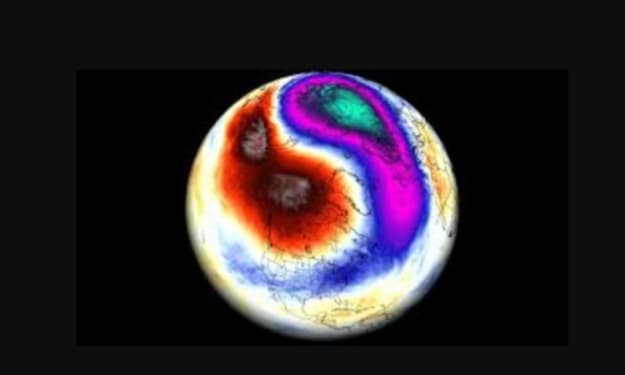
Understanding the Polar Vortex The polar vortex is a large area of low pressure and cold air that surrounds the Earth’s poles, particularly during winter. Under normal conditions, it remains relatively stable, keeping frigid Arctic air locked near the North Pole. However, when the polar vortex weakens or collapses, cold air can escape and plunge southward into populated regions. A polar vortex collapse, often linked to a sudden stratospheric warming (SSW) event, can dramatically alter weather patterns across North America, Europe, and parts of Asia. Meteorologists are now forecasting conditions that suggest such a disruption may occur, raising concerns among scientists and communities alike. What Is a Polar Vortex Collapse? A polar vortex collapse happens when temperatures in the stratosphere rise rapidly—sometimes by as much as 50 degrees Celsius in a matter of days. This sudden warming weakens the polar winds that normally contain Arctic air, causing the vortex to stretch, split, or collapse entirely. When this occurs, cold Arctic air masses can spill into mid-latitude regions, leading to extreme winter conditions far from the poles. These events do not just bring cold weather—they can create prolonged and disruptive patterns that affect millions of people. Why Scientists Are Watching Closely Climate scientists and meteorologists are closely monitoring current atmospheric conditions because recent data shows increased instability in the polar stratosphere. While polar vortex disruptions are not new, researchers note that they may be occurring more frequently or with greater intensity. Many experts believe climate change plays a role. As the Arctic warms faster than the rest of the planet—a phenomenon known as Arctic amplification—the temperature difference between the poles and lower latitudes weakens. This can destabilize the jet stream and make polar vortex disruptions more likely. Potential Weather Impacts If a polar vortex collapse occurs, the effects could be widespread and severe. Possible impacts include: Extreme cold spells across Europe, North America, and parts of Asia Heavy snowfall and ice storms, disrupting transport and infrastructure Energy supply strain, as heating demand spikes Dangerous conditions for vulnerable populations, including the elderly and homeless These events can last for weeks, not just days, making them especially challenging for communities to manage. How Communities Are Affected Polar vortex collapses are not just meteorological events—they are community-level crises. Sudden extreme cold can overwhelm local infrastructure, close schools and businesses, and place immense pressure on emergency services. Low-income households are often the hardest hit, as rising heating costs and power outages create immediate risks. Rural areas and coastal regions may face isolation due to blocked roads or frozen waterways, while cities struggle with homelessness and shelter shortages. Public health experts warn that prolonged cold exposure increases the risk of hypothermia, respiratory illness, and cardiovascular stress, especially among vulnerable groups. Economic and Infrastructure Consequences The economic impact of a polar vortex collapse can be substantial. Previous events have resulted in: Billions in economic losses due to business closures Supply chain disruptions, especially in food and fuel distribution Damage to water pipes, roads, and power grids Municipalities often face high repair costs, while governments must allocate emergency funding for relief and recovery. These events highlight the need for climate-resilient infrastructure and preparedness planning. The Role of Preparedness and Public Awareness Experts stress that early warning systems and public awareness are critical to reducing the impact of extreme cold events. When forecasts indicate a possible polar vortex collapse, governments and communities can take preventive steps such as: Opening warming centers and emergency shelters Advising residents on home insulation and energy conservation Preparing hospitals and emergency services for increased demand Communicating clearly and consistently with the public Community resilience depends not only on government action but also on public cooperation and preparedness. Polar Vortex and Climate Change: The Bigger Picture The growing attention on polar vortex collapses reflects a broader concern about climate instability. While global temperatures are rising, extreme cold events have not disappeared—in some cases, they have become more intense due to disrupted atmospheric patterns. Scientists caution that climate change does not simply mean warmer weather everywhere. Instead, it can lead to more extreme and unpredictable conditions, including heatwaves, floods, and sudden cold outbreaks. Understanding the polar vortex helps communities grasp how global climate systems are interconnected, and why long-term climate action is essential. What Happens Next? While forecasts suggest an increased risk of a polar vortex collapse, scientists emphasize that weather systems are complex, and exact outcomes remain uncertain. Ongoing monitoring will determine whether the vortex weakens significantly and how regional weather patterns respond. Regardless of the immediate forecast, experts agree that events like this underline the importance of investing in climate science, infrastructure resilience, and community preparedness. Conclusion: Why It Matters A potential polar vortex collapse is more than a weather headline—it is a reminder of how deeply climate systems affect everyday life. From household heating bills to public safety and national economies, the consequences reach far beyond snowfall totals. As scientists continue to track atmospheric changes, communities, governments, and individuals must stay informed and prepared. Understanding what a polar vortex collapse means—and why it matters—empowers society to respond more effectively to extreme weather in an increasingly unpredictable climate.
By Aarif Lashari16 days ago in Earth