
The Magic and Science of Rainbows
How nature paints the sky with light, color, and wonder
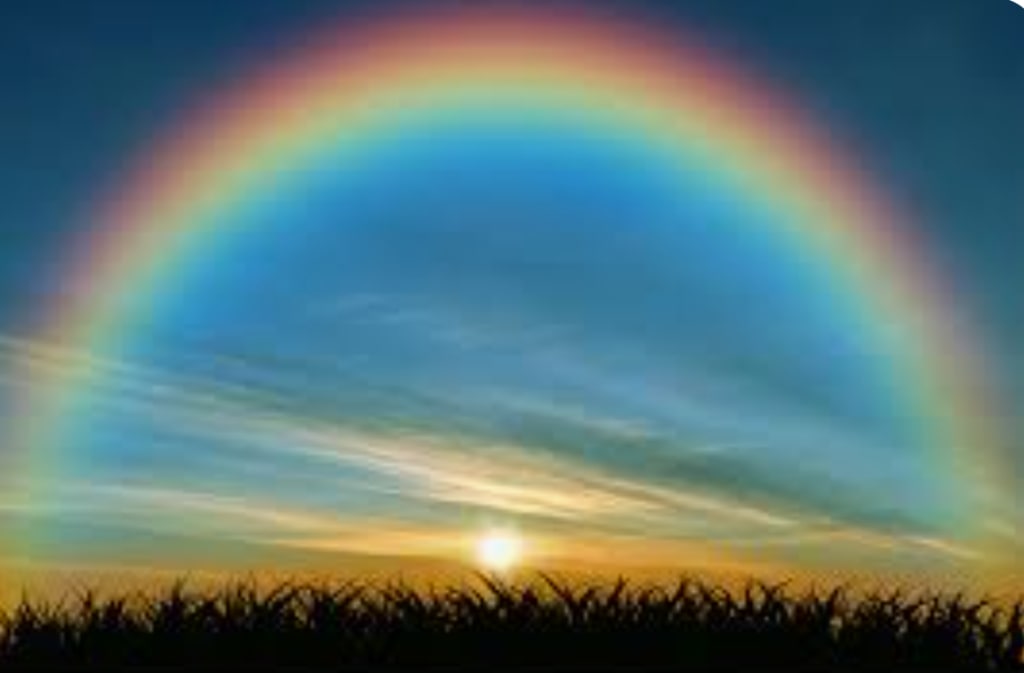
Nature’s Colorful Masterpiece
Few natural phenomena captivate humans quite like a rainbow. Across cultures and generations, rainbows have symbolized hope, promise, and wonder. From folklore to science, they are both magical and measurable, blending artistry and physics in a fleeting spectacle that brightens the sky after rain.
But what exactly creates a rainbow? And why do we see it in so many different forms and stories around the world? Let’s dive into the science, symbolism, and beauty behind this colorful natural phenomenon.
The Science Behind the Rainbow
A rainbow is a meteorological and optical event caused by the interaction of sunlight and water droplets in the atmosphere. The process involves three main steps:
Refraction – Light enters a water droplet and bends because light travels at different speeds in air and water.
Reflection – Light reflects off the inner surface of the droplet, bouncing back toward the observer.
Dispersion – Different wavelengths (colors) of light spread out, creating the visible spectrum: red, orange, yellow, green, blue, indigo, and violet.
The result is a circular arc of colors that appears opposite the sun. Interestingly, rainbows are technically full circles, but from the ground we usually see only a semi-circular arc. Observers in planes or high altitudes may occasionally see a full circular rainbow, which is an even rarer sight.
Colors and Their Meaning
Rainbows contain a spectrum of seven colors, famously remembered with the acronym ROYGBIV:
Red – energy and passion
Orange – creativity and warmth
Yellow – happiness and optimism
Green – growth and harmony
Blue – calm and stability
Indigo – intuition and reflection
Violet – imagination and spirituality
These colors have inspired artists, poets, and scientists for centuries. In science, the colors represent different wavelengths of light, but culturally, they carry rich symbolism, often seen as a bridge between the natural and the spiritual.
Double and Supernumerary Rainbows
Sometimes, a second, fainter rainbow appears outside the primary arc. This double rainbow occurs when light is reflected twice inside raindrops. Interestingly, in a double rainbow, the order of colors is reversed in the secondary arc.
Even more rarely, supernumerary rainbows appear as extra, thin, pastel-colored arcs inside the primary rainbow. These delicate bands are caused by interference of light waves, a subtle effect demonstrating the complexity of nature’s design.
Rainbows Around the World
Rainbows inspire cultural stories and myths globally:
Norse mythology: The rainbow bridge Bifröst connected Earth and the realm of gods.
Christian tradition: A rainbow symbolized God’s promise to Noah after the flood.
Hindu mythology: The rainbow, called Indradhanush, represents Indra’s bow, the god of rain and thunder.
Irish folklore: Rainbows are famously linked to leprechauns hiding treasure at their end.
Across continents, rainbows are universally associated with hope, luck, and divine presence. Despite scientific explanations, the awe they inspire remains deeply human.
Rainbows in Art and Culture
Artists, writers, and musicians have long drawn inspiration from rainbows. They appear in paintings, literature, music, and even fashion. The rainbow has become a universal symbol of diversity, inclusion, and unity, especially in modern movements like LGBTQ+ pride, where it represents hope, visibility, and acceptance.
Cultural depictions often capture not just the colors but the emotional impact of seeing a rainbow: wonder, inspiration, and the feeling of a brighter world after a storm.
How to See a Rainbow
Seeing a rainbow depends on a few simple conditions:
Sunlight: The sun must be shining behind the observer.
Rain or water droplets: Light must interact with water droplets in the air.
Angle: The optimal angle for a rainbow is around 42 degrees relative to the observer’s line of sight.
Early morning or late afternoon often provides the best opportunities, as the sun is lower in the sky. Sometimes, rainbows can be seen near waterfalls, fountains, or misty rivers, wherever sunlight interacts with fine water droplets.
Science Meets Wonder
While science explains how a rainbow forms, it does not diminish the emotional experience of seeing one. A rainbow is a reminder of the complexity and beauty of nature, a fleeting yet powerful display of light and color.
It encourages observation, curiosity, and appreciation for the natural world. Children and adults alike are drawn to the magical, transient beauty that combines physics and imagination.
Rainbows and Modern Technology
Rainbows also appear in technology and education. Scientists study the dispersion of light to improve optics and imaging. Engineers replicate rainbow effects in lighting, screens, and art installations. Even smartphones and cameras now allow people to capture rainbow moments, spreading wonder digitally across the globe.
Rainbows remain relevant, bridging nature, science, and culture in ways that continue to inspire creativity.
Conclusion: More Than Just Colors
A rainbow is more than a meteorological event. It is a symbol of hope, diversity, and beauty. It reminds us that after storms—literal or metaphorical—there is light, color, and perspective.
Whether seen in the sky after a rainstorm, in cultural symbols, or in modern digital media, rainbows connect humans to the wonder of nature. They teach us to pause, look up, and marvel at the universe’s brilliance—even for a fleeting moment.
So, next time you spot a rainbow, remember: it’s a natural masterpiece, a bridge between science and art, and a timeless emblem of hope and possibility.
About the Creator
Heat with No End: Climate Model Sets Out an Unbearable Future for Parts of Africa
The future of Africa, as outlined by emerging climate models, is growing hotter—and far more dangerous—than previously imagined. Scientists now warn that parts of the continent could soon experience levels of heat and humidity so extreme that human survival outdoors may become nearly impossible. This is not a distant science-fiction scenario. It is a forecast grounded in real data, unfolding within the lifetimes of millions alive today.
By Sajida Sikandar3 days ago in Earth
Super Bowl LX Recap: A Team Called Hawks
Sixty. The Super Bowl turned 60! Still amazes me that this was the sixtieth Super Bowl played in NFL history. It seems like yesterday that I watched Super Bowl XXVII, the first SB I ever watched. The QB who won Super Bowl XXVII has since called a few SBs, and will call next year's game, but that's another story. Super Bowl LX took place at Levi's Stadium in Santa Clara, California, the home stadium of the San Francisco 49ers. However, it was one of their division foes who represented the NFC, as the Seattle Seahawks faced off against the New England Patriots.
By Clyde E. Dawkins3 days ago in Unbalanced



Comments
There are no comments for this story
Be the first to respond and start the conversation.