
The Oldest, Largest, and Deepest Lake in the World
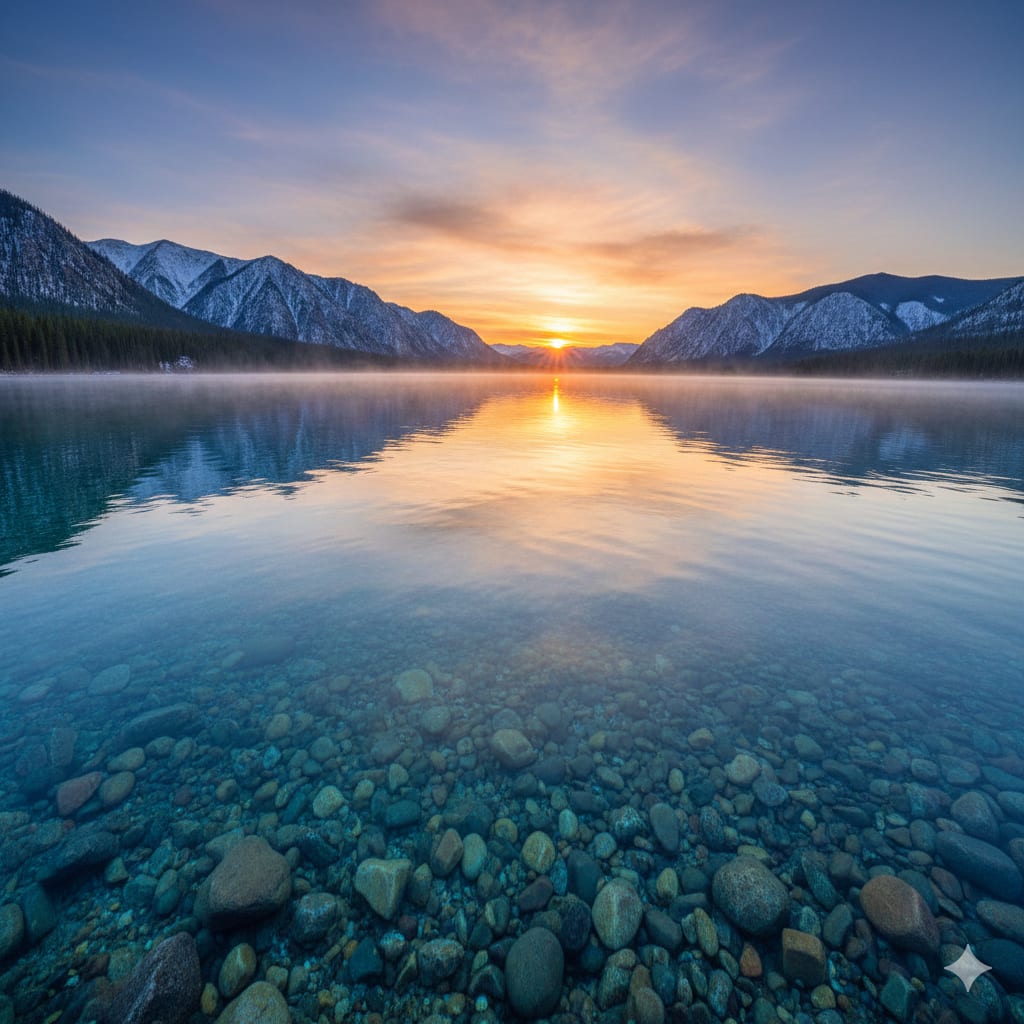
Earth’s most extraordinary freshwater wonder. Formed over 25 million years ago, it is the oldest lake on the planet and holds nearly one-fifth of the world’s unfrozen freshwater. With unmatched depth, astonishing clarity, and unique biodiversity found nowhere else on Earth, this ancient giant is both a geological marvel and a living museum of evolution. Its vast waters and dramatic landscapes tell a story of time, resilience, and natural power unlike any other place on the planet.

Exploring Earth’s Most Ancient and Massive Freshwater Giant
Lake Baikal is often described as a freshwater sea because of its immense size and volume. Stretching over 600 kilometers in length and plunging to depths of more than 1,600 meters, it surpasses every other lake in age and depth. Unlike most lakes that form and disappear within thousands of years, Baikal has endured for millions, created by a continental rift that continues to widen today. This slow geological movement has allowed the lake to grow deeper over time. Its scale is so vast that it contains more water than all the Great Lakes of North America combined. Scientists regard it as one of the most important natural laboratories on Earth, preserving ancient life forms and climate records within its sediments. The surrounding mountains and forests enhance its isolation, helping protect its pristine condition.
A Natural Wonder That Defies Time and Depth
What makes Lake Baikal truly remarkable is its resistance to time. Most lakes gradually fill with sediment and vanish, but Baikal remains deep and active due to tectonic forces beneath it. Its underwater landscape includes steep slopes, deep basins, and hydrothermal vents. The lake’s extreme depth creates unique environmental layers, supporting life forms specially adapted to cold, oxygen-rich waters. Even in winter, when thick ice seals the surface, life thrives below. This rare combination of age and geological activity makes Baikal not just old, but dynamically alive.
Where Age, Size, and Depth Meet in One Extraordinary Lake
Few natural landmarks combine multiple global records in one place. Lake Baikal is simultaneously the world’s oldest, deepest, and most voluminous freshwater lake. Its 25-million-year history has allowed thousands of species to evolve independently. Around two-thirds of its plant and animal species are found nowhere else. The balance of depth, clarity, and oxygen levels creates an ecosystem unlike any other freshwater body.
The World’s Ultimate Lake Record Holder
Lake Baikal holds numerous global distinctions. It reaches a maximum depth of about 1,642 meters and stores roughly 20% of the planet’s unfrozen freshwater. Its shoreline stretches for more than 2,000 kilometers. These records highlight not only its scale but its importance to global freshwater reserves and climate research.
A 25-Million-Year-Old Marvel Beneath the Surface
The true treasure of Baikal lies beneath its surface. Thick layers of sediment at the lake’s bottom preserve millions of years of Earth’s climate history. Scientists drill into these layers to study past environmental changes. This ancient record provides valuable insight into global climate patterns and tectonic evolution.
The Largest Freshwater Treasure on the Planet
Baikal’s water volume is unmatched. Holding more freshwater than any other lake, it serves as a critical global resource. Its waters are exceptionally clear, often allowing visibility up to 40 meters deep. This purity is maintained by natural filtration processes and unique organisms that cleanse the water.
Plunging Into the Deepest Waters on Earth
Descending into Baikal’s depths reveals a world of darkness and pressure. Yet despite extreme conditions, life persists. Specialized fish and invertebrates have evolved to survive in near-freezing temperatures. Exploration missions continue to discover new species and geological features hidden below.
A Living Time Capsule of Earth’s Geological History
Lake Baikal is more than a lake; it is a record of Earth’s transformation. Its formation through rifting provides scientists with direct evidence of continental movement. The lake continues to widen gradually, offering a rare glimpse into how oceans are born over geological time.
The Lake That Holds One-Fifth of the World’s Freshwater
With nearly 23,600 cubic kilometers of freshwater, Baikal contains about 20% of the world’s unfrozen supply. This staggering statistic underscores its environmental significance. Protecting this resource is vital not only for Russia but for the entire planet.
An Ancient Giant Carved by Time
Carved by tectonic forces and shaped by millions of years of natural change, Lake Baikal stands as one of Earth’s greatest wonders. Its age, depth, and biodiversity make it a symbol of endurance and natural beauty. As both a scientific treasure and a breathtaking landscape, it remains a powerful reminder of the planet’s ancient past and fragile future.
About the Creator
Muhammah Hanzalah
Passionate about history and culture. Join me on Vocal Media for captivating insights into hidden historical gems and diverse cultural traditions. Let's explore the rich tapestry of our shared heritage and artistic expressions.
Keep reading
More stories from Muhammah Hanzalah and writers in Earth and other communities.
Nomadic life in Mongolia, a Reportage
Mongolia, often referred to as the "Land of Eternal Blue Sky," is home to one of the last truly nomadic cultures in the world. The sweeping steppes, rugged mountains, and expansive deserts have shaped a way of life that has persisted for centuries. Despite modernization and globalization, Mongolia’s nomadic lifestyle remains a testament to human resilience, adaptability, and harmony with nature.
By Muhammah Hanzalahabout a year ago in Earth
Members of the Board of Peace linked to Trump have announced a pledge of $7 billion in humanitarian assistance for Gaza, aiming to support relief efforts and address the growing crisis in the region.
Donald Trumps Board of Peace has gotten money from countries. These countries have given than $7 billion to help people in Gaza. The US president said this when the Board of Peace had its meeting.
By The Academy Awards2 days ago in Earth


Comments
There are no comments for this story
Be the first to respond and start the conversation.