
Thunderstorms: Nature's Fury or Human Folly?
Thunderstorms escalating up up up!

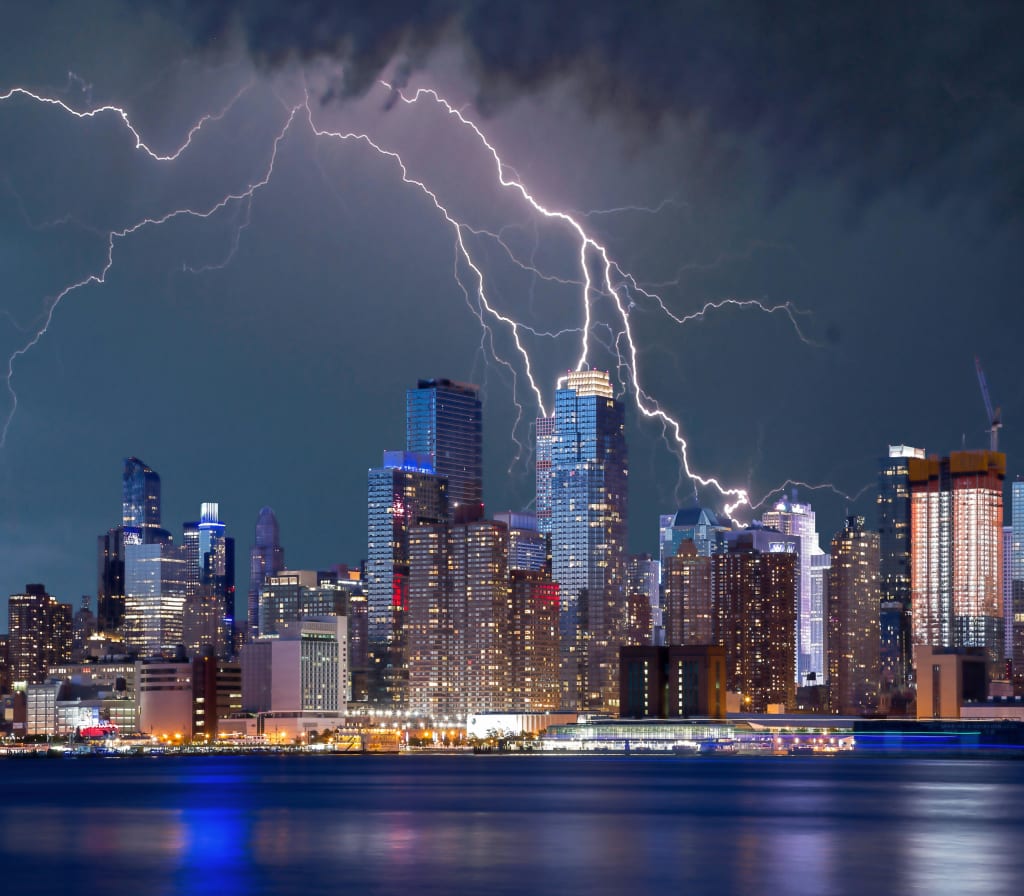
Thunderstorms: Nature's Fury, Fuelled by Human Impact Thunderstorms, with their awe-inspiring displays of lightning and thunder, have fascinated and terrified humans for centuries. But as climate change intensifies, these once-in-a-while events are becoming more frequent and severe. The question arises: Are these storms purely natural phenomena, or are we, as humans, exacerbating their intensity?
Nature's Raw Power Unleashed
At their core, thunderstorms are a result of atmospheric instability. Warm, moist air rises rapidly, colliding with cooler air aloft. This collision can trigger lightning and thunder, as well as heavy rainfall, hail, and strong winds. These storms are a testament to the raw power of nature, capable of shaping landscapes and causing significant damage. The forces that fuel thunderstorms are complex and can vary from region to region, depending on local atmospheric conditions. In tropical areas, for example, thunderstorms are often associated with the convergence of moist air masses from the ocean, while in temperate zones, cold fronts meeting warm, humid air can trigger intense storms.
Humanity's Role in the Storm
However, human activities are undeniably influencing the frequency and severity of thunderstorms. Climate change, primarily driven by greenhouse gas emissions, is altering weather patterns worldwide. Warmer temperatures lead to increased evaporation, providing more moisture for thunderstorms to feed on. The higher concentration of water vapor in the atmosphere makes storms more powerful, intensifying rainfall and creating the conditions for stronger winds and larger hail.
Additionally, urban heat islands, created by the concentration of buildings and infrastructure, can intensify local storms. Cities absorb and retain more heat during the day and release it at night, creating localized temperature differences that can enhance storm development. This urban effect has been linked to more frequent and severe thunderstorms in metropolitan areas.
Furthermore, deforestation and land-use changes can disrupt natural water cycles and exacerbate extreme weather events. When forests are cleared, the land becomes less able to absorb rainfall, leading to increased runoff and flooding. This, in turn, can fuel powerful thunderstorms, as more water enters the atmosphere, intensifying the storm's fury. The destruction of natural ecosystems, such as wetlands and forests, also limits the earth's ability to regulate temperature and humidity, further contributing to the instability that fuels these storms.
The Storm's Aftermath: Challenges and Consequences
The aftermath of severe thunderstorms can pose significant challenges to our daily lives and economies.
Infrastructure Disruption: Strong winds, heavy rainfall, and hail can damage homes, businesses, and critical infrastructure, such as power lines and transportation networks. In many cases, the costs of repairing or replacing damaged infrastructure can run into the billions of dollars.
Widespread Flooding: Excessive rainfall can lead to flash floods, inundating homes and businesses and causing widespread disruption. Flooding can also undermine soil stability, leading to landslides in mountainous regions.
Prolonged Power Outages: Damaged power lines can leave communities without electricity for days or even weeks, impacting essential services and daily routines. Hospitals, schools, and other critical facilities are often forced to operate on emergency power, placing additional stress on local resources.
Economic Hardship: The destruction of property, disruption of businesses, and increased insurance claims can have a severe impact on local and national economies. The agricultural sector, in particular, is highly vulnerable to thunderstorms, with crops destroyed by hail, flooding, or wind, leading to supply shortages and higher food prices.
Health Risks and Safety Concerns: Thunderstorms can pose health risks, such as heatstroke, respiratory problems, and injuries from falling debris. Additionally, flooding can lead to waterborne diseases and other health hazards, especially in areas with poor sanitation or inadequate disaster response systems.
A Call to Action: Weathering the Storm Together
To mitigate the impact of severe thunderstorms, we must address the root causes of climate change. This involves transitioning to clean energy sources, reducing greenhouse gas emissions, and adopting sustainable practices. The acceleration of renewable energy technologies, such as wind and solar power, can help reduce our dependence on fossil fuels, the largest contributor to global warming.
Additionally, investing in resilient infrastructure, early warning systems, and emergency preparedness can help minimize the damage caused by these storms. Communities can benefit from flood defense, stronger buildings designed to withstand extreme weather, and better stormwater management to prevent flooding. Early warning systems, combined with effective communication networks, can save lives by providing communities with advance notice of severe weather events.
By understanding the complex interplay between natural forces and human activities, we can work towards a future where severe thunderstorms are less frequent and less destructive. It’s time to take action and weather the storm together, adopting more sustainable ways of living and preparing for the future risks posed by a rapidly changing climate. With global cooperation, improved policies, and individual responsibility, we can reduce the human impact on these powerful storms and make our world more resilient to nature's fury.
This expanded version elaborates on the human contribution to storm severity, adds more detail to the consequences of severe weather, and suggests a broader range of solutions.
About the Creator
Ngwanagae Sabina
I'm a passionate writer who explores a wide range of topics. From personal growth and mental health to global trends and technology, I delve into the issues that shape our lives. spark curiosity and foster open-ended discussions.
.
Keep reading
More stories from Ngwanagae Sabina and writers in Earth and other communities.
Power Cuts: A Daily Struggle for South Africa's Less Fortunate
South Africa, a nation rich in resources, has been grappling with a persistent energy crisis. The culprit? Load shedding is the systematic implementation of power outages to manage electricity demand. While this may seem like a technical issue, its impact is far-reaching, particularly for the country's less fortunate citizens.
By Ngwanagae Sabinaabout a year ago in Styled
The Beginner's Guide to Composting: Turn Scraps into Garden Gold
You slice vegetables for dinner and toss the peels in the trash. You rake autumn leaves, bag them, and set them on the curb. You spend money at the garden center on bags of soil amendments and fertilizers. What if you could break this cycle? What if everything you need to feed your garden is already in your kitchen and yard, waiting to be transformed?
By Emma Wallace6 days ago in Earth



Comments
There are no comments for this story
Be the first to respond and start the conversation.