
What Actually Expiration Date Labels On Food Mean?
Facts about expired food
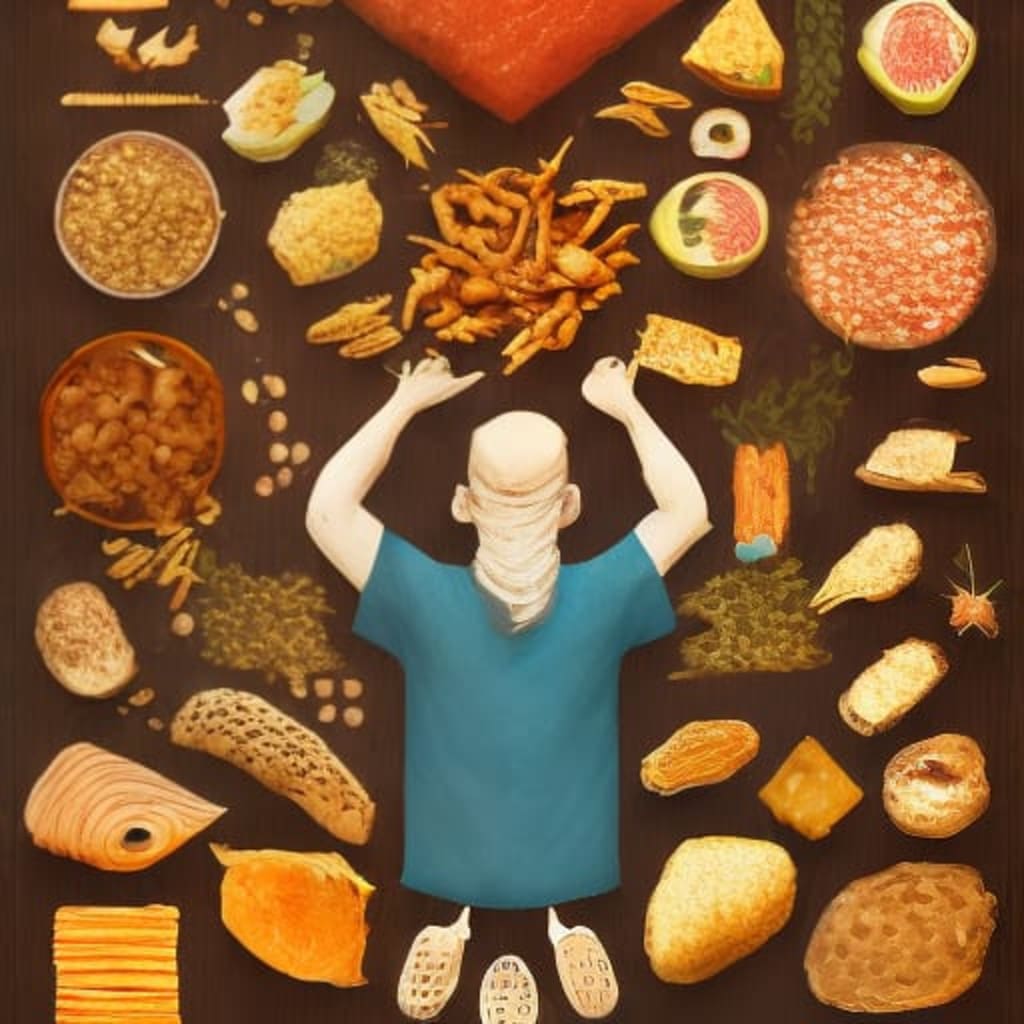
The United States is one of the countries in the world for wasting a lot of food each year. 37% of US food waste comes from individual families. Additionally, consumers misinterpret the dates on these food items, leading to the disposal of approximately 20% of them. However, the majority of those groceries remain perfectly safe to consume. So in the event that the dates on our food don't let us know that something's turned sour, what do they tell us? Before the twentieth hundred years, the way between where food was created and where it was eaten was significantly more immediate, and a great many people knew how to evaluate newness utilizing sight, smell, and contact. In any case, when stores started loading handled food varieties, item ages became more earnestly to measure.
In the US, merchants utilized bundling codes to follow how long food had been on the racks, and during the 1970s, buyers requested that data. Open dating is a system that was used by many supermarkets and is still in use today. It required food manufacturers or retailers to label products with dates that indicated when they were at their freshest. This ambiguous measurement didn't have anything to do with lapse dates or food handling. In point of fact, there are typically no guidelines regarding the dates to use, and it is rarely decided with scientific support. So most producers and retailers are spurred to set these dates early, guaranteeing clients will taste their food at its ideal and return for more. This implies numerous food varieties are protected to eat a long way past their named dates. Pasta, cookies, and other shelf-stable foods may have a stale flavor, but they are not harmful to health.
Canned foods can stay safe for times, so long as they do not show signs of bulging or rusting. Low freezer temperatures keep bacteria which causes food poisoning in check, conserving duly stored frozen feasts indefinitely. cooled eggs are good for over to five weeks, and if they spoil, your nose will let you know. And you can always spot decayed yield by odors, slimy surfaces, and mold. Of course, there are some cases where you ’re better safe than sorry. The USDA recommends eating or indurating meat within days of purchase. Beyond their published dates, ready- to- eat salads, deli flesh, and unpasteurized cheeses are more likely to carry pathogenic bacteria that can slip past a smell or taste test. And the dates on child formula are regulated to indicate safety. But while some of these markers work as intended, the vast maturity doesn't. In a 2019 check of over 1,000 Americans, further than 70 said they use date markers to decide if food is still edible, and nearly 60 said they ’d toss any food past those dates. Cafes and grocers frequently do the same. To avoid all this waste, numerous experts endorse laws to bear that date markers use one of two standardized expressions “ Best if used by, ” to indicate newness, or “ Use by ” to indicate safety. This result is not perfect, but some US experimenters estimate that setting these norms at a civil position could help roughly 398,000 tons of food waste annually. Grocers could also try removing date markers on yield, as several UK supermarket chains have done to encourage consumers to use their own judgment. Numerous experts also endorse programs incentivizing grocers and caffs to contribute unsold food.
Presently, confusion around dates has led at least 20 US states to circumscribe giving food past its labeled date, indeed though the civil government actually protects similar donations. Countries like France go indeed further, taking that numerous supermarkets contribute unsold food. Anyhow of what your government decides, the better way to help food waste is to eat what you buy! And don’t forget that your tongue, eyes, and nose are generally each you need to decide if food is fit for consumption or not.
About the Creator
Sowmya
Assistant Manager in a edutech company. Passionate about creative story writing with real-life characters. I am interested in writing about mysteries and facts, thinking beyond the box
America Was Right About Wind Turbines: The “Dark Side” No One Wanted to Discuss, and Drones Begin to Move In
For decades, wind energy has been celebrated as a hero of renewable power—a symbol of a future free from fossil fuels. Towering wind turbines cutting through the sky are iconic images of progress and sustainability.
By Ayesha Lashari4 days ago in Earth
China Has Planted So Many Trees Around the Taklamakan Desert That It’s Turned This ‘Biological Void’ Into a Carbon Sink
For generations, the Taklamakan Desert in northwestern China was considered one of the most lifeless places on Earth. Stretching across more than 330,000 square kilometers, this vast sea of sand earned the nickname “biological void” because almost nothing could survive its blistering heat, shifting dunes, and extreme lack of rainfall.
By Sajida Sikandar5 days ago in Earth


Comments
There are no comments for this story
Be the first to respond and start the conversation.