
Teaching English to Police Officers
Weekly Blog 8, 16.02.2026 - 22.02.2026

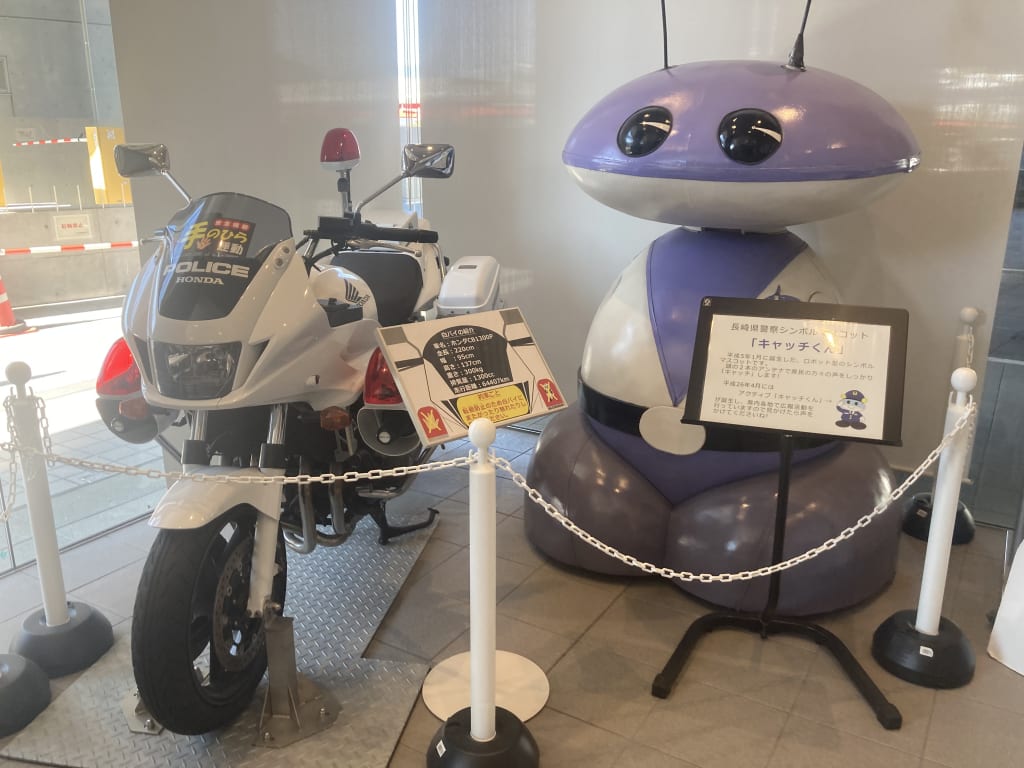
Monday - bored
Tuesday - bored
Wednesday - taught English to the police
Thursday - bored
Friday - bored but productive
Saturday - collected stamps
Sunday - bored and stressed
Well, let's focus in on Wednesday then. I mentioned in the last blog I did for January 2026 that I was going to be teaching some English for interviewing witnesses to the Nagasaki police department. It's pretty much the main thing tht happened that wasn't painting miniatures, reading academic papers or tidying up the rest of the office so I'm going to try and focus this week's blog on that.
Anyway, the Nagasaki police department have been asking one of our teachers to teach a roughly 3 hour long lesson going into a specific skill for a few years now. I volunteered this year. It's normally a more senior member of the faculty but I begged my senpai to let me do it because I think the experience will look good on my CV and he relented.
They provided me with a roleplay activity between a foreigner who witnessed an assault, and the officer interviewing him in English. The roleplay was in Japanese and the officers taking the class would prepare translations in advance. My job was to provide them with help with terminology, gramamr and pronunciation. They were very firm that I needed to return those lesson materials at the end of the lesson.
They predicted this section would take about an hour and a half, so they wanted me to create an activity that would take up another hour and a half and focus on either slang, listening comprehension, reading comprehension or a combination of the three. I figured that I should give them some authentic language, so on Monday I made a little resource pack about the Huntingdon Train Stabbing from last year.
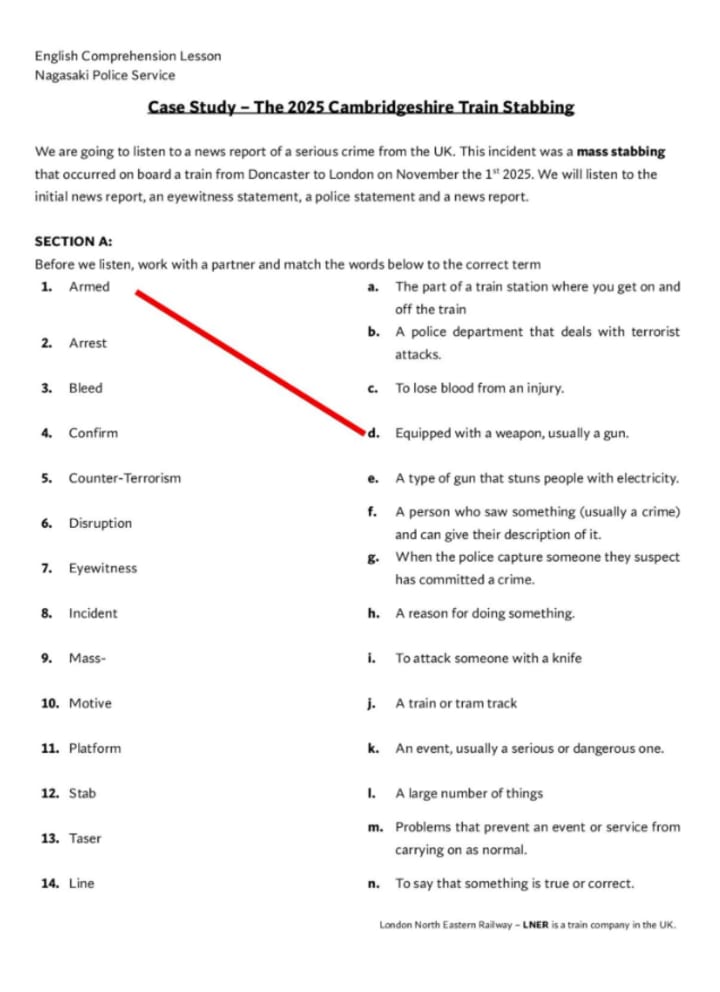
Now, whenever I say that, I sound like a bit of a sociopath, don't I?
Okay, let me explain, I wouldn't normally use a lesson about a real-life crime for students but this class were made up of police officers and were more familiar with this sort of language and terminology. I based the video off of one of the initial BBC News reports about the crime. This was because it included a fairly lenghty interview with an eyewitness. I felt this was useful because not only did it feed in to the main goal of the lesson, but it let me highlight some common English gap-fillers, a little bit of slang and also how English speakers will sometimes say "going" to mean "said" instead of "going somewhere".
I'm actually legitimately proud of this lesson, it's on iSL Collective if you'd like to check it out and use it for some of your higher-level classes. The content, obviously, may not be super-appropriate for all classes and the listening section can be a little complicated, but I'm overally very proud of it, the classs seemed to enjoy it too! The last activity is a reading one based off of the IELTS question where you have to match people mentioned in an article to the things they did. It could be really useful for an IELTS prep class.
I actually really enjoyed the lesson, I stressed about it a lot on Monday and Tuesday (and last week ... and the week before ... and the week before) but on the day I really, really enjoyed it! The class were engaged, and we even ran over time because everyone was having a lot of fun. They've invited me to do some conversation classes with the police department starting in April and I'm really looking forward to them!
So, that's been the highlight of my week, does it seem like a good lesson plan? Should I try and make some more "case study" style lessons about crime? Have you ever used news reports for English lessons?
About the Creator
Max Brooks
My name is Max, English teacher in Japan, lover of video games, RPGs and miniature painting.
Keep reading
More stories from Max Brooks and writers in Education and other communities.
February Begins
White rabbits, white rabbits, white rabbits. It’s February, the worst month! I never know what to do in February, it suddenly hits that we’re a month into the new year and the belief that I have plenty of time to accomplish whatever it is I want to do this year evaporates into thin air. I respond in two ways, procrastinating or working on random little tasks. We had entrance examinations on Monday, so while I still went into work we didn’t have any exams to do, but I got everything prepped for the rest of the week. That means tests, exams and presentation grading!
By Max Brooks14 days ago in Education
How to Avoid Scams in Online Transcription Work
The growing popularity of remote work has made online transcription an attractive option for people who want to earn income from home. With flexible schedules and low entry barriers, transcription work appeals to students, freelancers, stay-at-home parents, and professionals looking for additional income. However, the increasing demand for transcription services has also created opportunities for scammers who target beginners unfamiliar with how legitimate transcription jobs operate. Understanding how to recognize and avoid scams is essential for building a safe and sustainable transcription career.
By Mahesh Kumar5 days ago in Education
Sudden Radio Interference During Live Events
There is a specific kind of silence that only event professionals know. It’s not the silence of a quiet room. It’s the silence that happens when a microphone drops out in the middle of a wedding vow, a keynote speech, or a live broadcast.
By Elvezio Guarino5 days ago in Education




Comments
There are no comments for this story
Be the first to respond and start the conversation.