
Why Biotechnology Is Advancing Scientific Innovation Across the United Kingdom?
The Expansion of Life Sciences Research and Bio Based Technologies

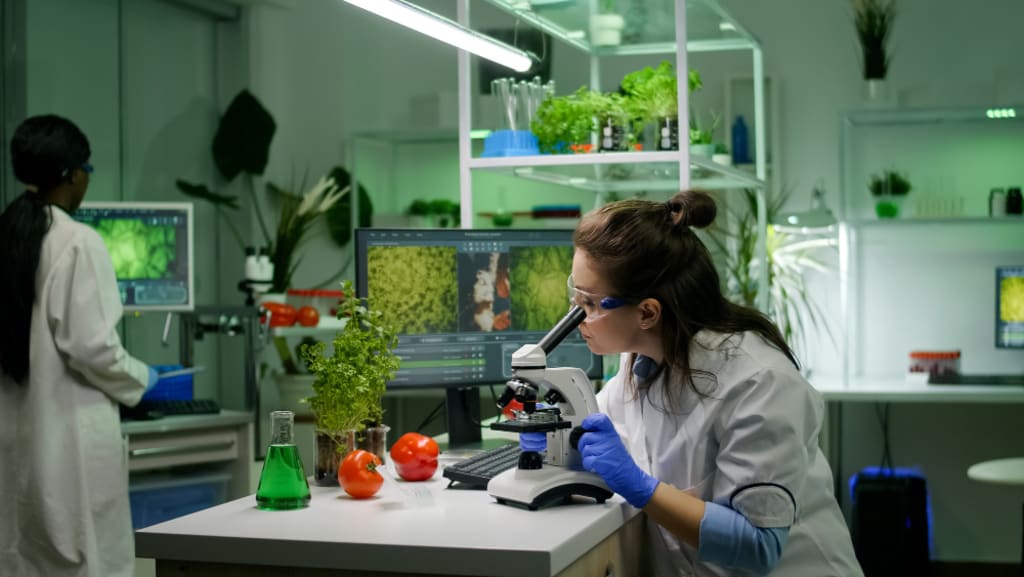
Biotechnology has become a cornerstone of scientific progress in the United Kingdom, supporting advancements in healthcare, agriculture, environmental sustainability, and industrial processes. By applying biological systems and living organisms to develop innovative solutions, biotechnology continues to reshape multiple sectors.
The UK’s strong research ecosystem, supported by universities, startups, and global pharmaceutical companies, has positioned the country as a leading hub for life sciences innovation. Biotechnology is not limited to laboratory research; it contributes directly to medical treatments, sustainable production methods, and cutting-edge diagnostics.
Understanding What Biotechnology Really Involves
Biotechnology involves the use of biological processes, cells, and molecular techniques to create products and technologies. Applications range from drug development and gene therapy to agricultural improvements and bio-based materials.
In healthcare, biotechnology enables the development of targeted therapies and advanced vaccines. In agriculture, it supports crop resilience and sustainable farming practices.
The objective is to harness biological knowledge to address complex scientific and societal challenges.
Key Factors Driving Biotechnology Development in the UK
One of the strongest drivers is the UK’s world-class academic and research institutions. Collaboration between universities and industry accelerates innovation and commercialization.
Government funding and policy support for life sciences research also play a significant role.
Growing demand for personalized medicine and advanced diagnostics encourages investment in biotechnology solutions.
Access to venture capital and research grants strengthens startup ecosystems and innovation pipelines.
The Role of Innovation and Advanced Research
Innovation is central to the UK biotechnology landscape. Gene editing technologies, molecular diagnostics, and cell-based therapies represent areas of significant advancement.
Biopharmaceutical research is expanding to address chronic diseases and rare conditions.
Bioinformatics and data analytics tools enhance research efficiency and accelerate drug discovery processes.
Partnerships between biotech firms and pharmaceutical companies support large-scale clinical development.
Click here if you want to know more about UK Biotechnology Market
Changing Healthcare and Industrial Applications
Healthcare systems are increasingly adopting biotechnology-driven treatments, including biologics and precision medicine approaches.
Agricultural and environmental sectors are exploring bio-based alternatives to traditional chemical processes.
Industrial biotechnology supports sustainable manufacturing by using biological catalysts and renewable feedstocks.
Public awareness of innovative therapies continues to shape healthcare demand.
Benefits and Strategic Advantages
Biotechnology offers several important benefits:
• Medical Innovation: Supports development of advanced treatments.
• Scientific Advancement: Encourages cutting-edge research.
• Sustainable Solutions: Promotes eco-friendly industrial practices.
• Economic Growth: Generates high-skilled employment.
• Global Competitiveness: Strengthens international research leadership.
These advantages reinforce the UK’s position in the global life sciences community.
Regional Expansion and Research Hubs
Biotechnology activities are concentrated in major research hubs such as London, Cambridge, and Oxford, with additional growth in other regions.
Science parks and innovation centers foster collaboration between startups and established firms.
International partnerships support knowledge exchange and cross-border clinical research initiatives.
Challenges Facing the UK Biotechnology Sector
Despite strong development, challenges remain. Regulatory approval processes can be complex and time-consuming.
High research and development costs require sustained funding and investment.
Ethical considerations, particularly in areas such as gene editing, require careful oversight.
Global competition for talent and resources continues to influence strategic planning.
Future Outlook of Biotechnology in the UK
The future of biotechnology in the UK is expected to emphasize personalized medicine, gene therapy, and sustainable bio-manufacturing.
Advancements in artificial intelligence and computational biology may accelerate research breakthroughs.
Collaborative innovation models are likely to strengthen integration between academia and industry.
Biotechnology is poised to remain a central pillar of scientific progress and economic growth.
Conclusion
Biotechnology is driving transformative advancements across healthcare, agriculture, and industry in the United Kingdom. Through research excellence and strategic collaboration, it continues to deliver innovative solutions to complex challenges.
With sustained investment and ethical governance, biotechnology is set to play an even greater role in shaping the UK’s scientific and economic future.
About the Creator
deepanshu Thakur
A dedicated Market Research Professional specializing in in-depth analysis, industry forecasting, and strategic insights. Known for precision, reliability, and delivering research that adds real business value.
Keep reading
More stories from deepanshu Thakur and writers in Education and other communities.
Why Smart Home Technology Is Transforming Living Spaces Across Latin America?
Residential living in Latin America is undergoing a technological transformation as households increasingly adopt connected devices and automation systems. Smart home technology is redefining comfort, security, and energy management by integrating digital solutions into everyday domestic environments.
By deepanshu Thakur3 days ago in Education
How Binocular Astronomy Compares to Telescopes
Understanding the Basics: How Each Instrument Works Both binoculars and telescopes collect and magnify light from distant objects. The main goal is simple: gather more light than your eyes alone can collect and make distant objects appear closer.
By shahkar jalalabout 18 hours ago in Education
What to Expect From Bookkeeping Outsourcing Services
Money has a way of revealing how well a business is truly operating. Clean records signal control. Messy books hint at missed opportunities, tax risks, and sleepless nights. Many growing companies reach a point where spreadsheets, late-night reconciliations, and rushed reports are no longer sustainable. That’s usually when leaders begin exploring Bookkeeping Outsourcing as a smarter, scalable solution.
By Charles Brightabout 16 hours ago in Education




Comments
There are no comments for this story
Be the first to respond and start the conversation.