
Can you actually taste a difference between Onions?
Discover if you can truly discern the taste variations between different onion varieties and flavors. Find out more about onions here!

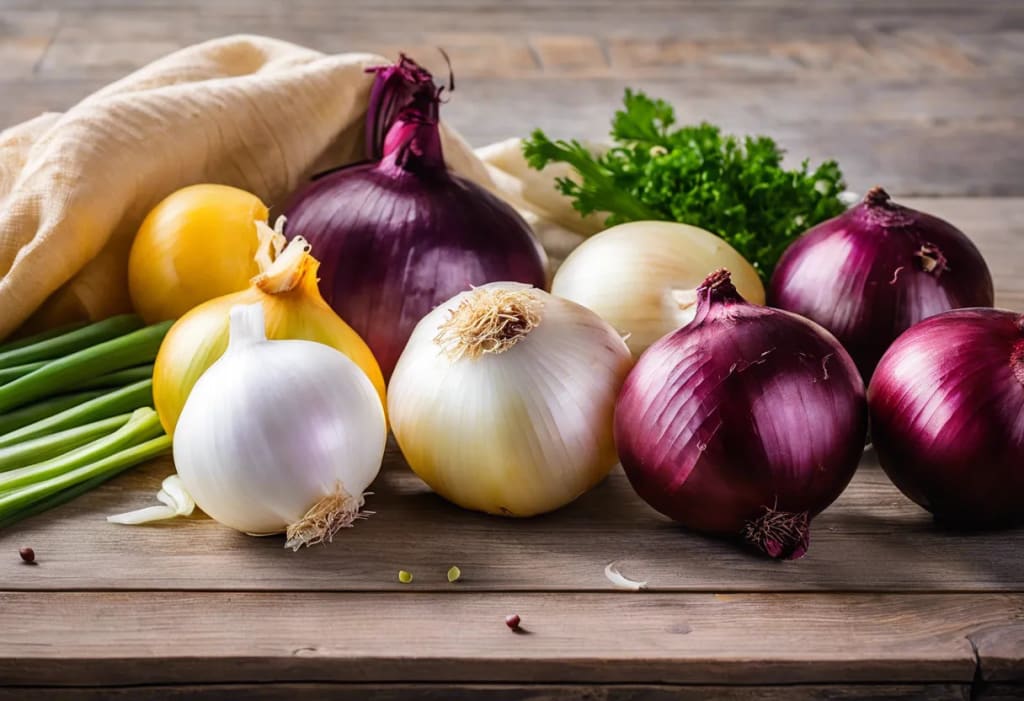
Understanding the complexities of taste perception involves delving into the intricate workings of our sensory system. Taste, or gustation, is a crucial sense that allows us to savor, enjoy, or even reject various foods and beverages. It goes beyond just detecting flavors; it involves a sophisticated interplay of our taste buds, olfactory senses, and even our visual and tactile perceptions.
- It may seem simple — the act of tasting — but the mechanisms behind it are incredibly intricate.
- Our taste buds play a significant role, with each tiny bump on our tongue housing clusters of taste receptor cells.
- These receptors are sensitive to five primary tastes: sweet, sour, bitter, salty, and umami.
Digesting the science behind taste involves exploring how these taste receptors interact with the molecules in our food. These interactions trigger signals that are sent to the brain, which then processes and interprets them as specific flavors. However, taste isn’t just about our tongues; our sense of smell, or olfaction, which detects aromas, plays a vital role in how we perceive flavors.
The combination of taste and smell is what creates the rich tapestry of flavors we experience when eating.
Research into taste perception often delves into individual differences — why some people may perceive flavors differently from others. Factors like genetics, age, cultural background, and even past experiences can influence how we taste food. So, when it comes to something as ubiquitous as onions, the question arises: Can everyone truly taste a difference, or are there individual variations that come into play?
Exploring the intricate science of taste not only enhances our understanding of this fundamental sense but also adds layers of complexity to something as seemingly simple as differentiating between two common ingredients.
The different types of onions and their flavor profiles
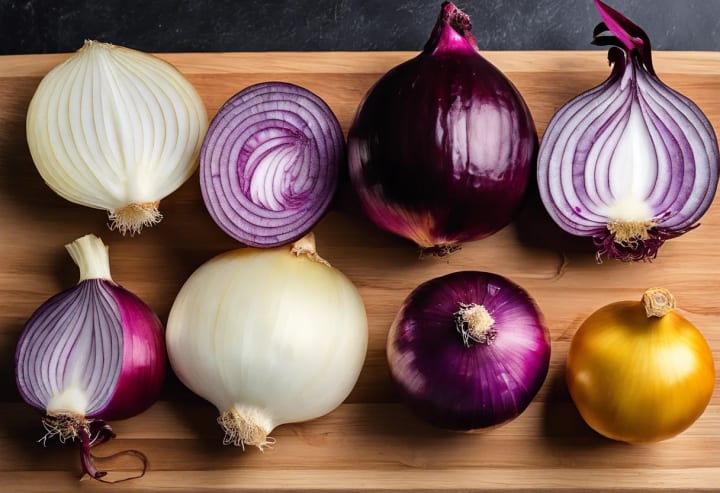
- Common yellow onions: Yellow onions are versatile and have a balanced flavor profile, with a slightly sweet and tangy taste. They are great for caramelizing and adding depth to dishes like soups and stews.
- Red onions: Red onions have a milder and slightly sweeter flavor compared to yellow onions. They are often used raw in salads, sandwiches, and salsas to add a pop of color and flavor.
- White onions: White onions have a more sharp and tangy flavor compared to yellow onions. They are commonly used in Mexican and Latin American dishes for their crispness and strong flavor.
- Sweet onions: Sweet onions, such as Vidalia or Walla Walla onions, have a high sugar content and a mild flavor. They are perfect for eating raw in salads or on burgers for a sweet and crunchy bite.
- Shallots: Shallots have a delicate and subtle flavor with hints of garlic. They are often used in dressings, sauces, and French cuisine for a more refined taste.
- Spring onions: Spring onions, also known as scallions or green onions, have a fresh and mild flavor with a hint of onion sharpness. They are commonly used as a garnish or in Asian dishes for their green tops and mild taste.
- Leeks: Leeks have a mild and sweet flavor with a slightly oniony taste. They are often used in soups and stews for a more delicate onion flavor.
- Pearl onions: Pearl onions are tiny and sweet, with a mild flavor. They are often used in pickling or as a garnish for dishes like beef bourguignon for a bite-sized burst of onion flavor.
Remember that choosing the right type of onion can greatly impact the overall taste of your dish.
The role of cooking methods in enhancing onion flavors
- Different cooking methods can significantly impact the flavor profile of onions due to the chemical reactions that take place when onions are heated.
- Roasting: Roasting onions can caramelize the sugars present in the onion, enhancing their natural sweetness and adding depth to the flavor. This method works best with whole onions or large chunks.
- Sauteing: Sauteing onions in oil or butter over high heat can quickly develop a golden-brown color and a rich, savory flavor. This method is great for adding a burst of flavor to dishes like stir-fries or pasta.
- Grilling: Grilling onions can add a smoky flavor to the onions, enhancing their natural sweetness with a touch of charred goodness. Sliced onions or onion rings work well on the grill.
- Frying: Frying onions in oil until they are crispy can create a delightful texture contrast while also intensifying their flavor. Fried onions are a popular topping in many dishes.
- Steaming: Steaming onions can help to retain their natural sweetness and a more subtle onion flavor, making them a great addition to dishes where a milder onion taste is desired.
By choosing the right cooking method for your dish, you can elevate the flavors of onions and create a more vibrant and delicious final product.
Comparing the taste of raw vs. cooked onions
Raw Onions:
Raw onions have a pungent and sharp flavor that can sometimes be overwhelming to sensitive taste buds.
- The taste of raw onions is crisp, tangy, and often induces tearing when chopped due to the release of sulfurous compounds.
- Raw onions are commonly used in salads, salsas, and sandwiches to add a fresh and zesty kick to dishes.
- The sharpness of raw onions diminishes when pickled or soaked in cold water, making them milder in taste.
Cooked Onions:
- Cooking onions caramelizes the natural sugars, resulting in a sweeter and more subtle flavor profile.
- The texture of cooked onions becomes soft and slightly translucent, adding a savory richness to dishes.
- Cooked onions are often used as a base for soups, stews, sauces, and casseroles, where their deep flavor enhances the overall taste.
- The longer onions are cooked, the sweeter and more intense their flavor becomes, offering a complex and savory addition to dishes.
Sautéed Onions:
- Sautéing onions in oil or butter brings out their natural sweetness while preserving a slight crunch.
- The high heat caramelizes the sugars in the onions, creating a flavorful base for various dishes.
- Sautéed onions are versatile and can be used in pasta, stir-fries, or as a topping for meats and vegetables.
Grilled Onions:
- Grilling onions imparts a smoky flavor and adds a subtle sweetness to the onions.
- The caramelization that occurs on the grill enhances the natural sugars, creating a mouthwatering taste.
- Grilled onions are an excellent addition to burgers, sandwiches, kebabs, and as a side dish for meats and vegetables.
Whether enjoying the sharp tang of raw onions in a salad or savoring the sweet caramelized notes of cooked onions in a hearty stew, both preparations offer unique flavors that can elevate the taste of any dish.
Understanding the impact of geographic location on onion taste
Geographic location plays a significant role in the taste of onions due to variations in soil composition, climate, and growing conditions. Different regions around the world cultivate onions with unique flavors and characteristics, influencing the overall taste profile of the vegetable. Here are some key factors to consider:
- Soil Composition: The minerals and nutrients present in the soil can affect the flavor profile of onions. For example, sulfur compounds, responsible for the pungent taste of onions, can vary in concentration based on the soil composition. This can result in onions from certain regions having a more intense or milder flavor.
- Climate: The amount of sunlight, temperature, and precipitation in a particular region can impact the growth and development of onions. Onions grown in cooler climates may have a sharper taste, while those grown in warmer regions could be sweeter. The balance of these environmental factors can influence the overall flavor of the onion.
- Growing Conditions: Factors such as altitude, humidity levels, and farming practices can also affect the taste of onions. Onions grown at higher altitudes may have a more intense flavor due to the stress placed on the plant, while those cultivated in humid conditions might be milder in taste.
- Cultivar Differences: Different onion cultivars are suited to specific regions based on their taste profiles and adaptability to local growing conditions. Varieties such as red onions, Vidalia onions, or shallots exhibit distinct flavors that are influenced by the geographic location in which they are grown.
- Storage and Handling: Post-harvest practices also play a role in preserving the flavor of onions. Improper storage or handling can degrade the taste quality of the vegetable, overshadowing any regional flavor nuances.
By considering these factors, one can better appreciate the impact of geographic location on the taste of onions and understand the diversity of flavors that this versatile vegetable can offer.
The influence of soil and growing conditions on onion flavor
Soil composition and growing conditions play a significant role in shaping the flavor profile of onions. Here are key points to consider:
- Soil composition: The minerals, nutrients, and pH levels of the soil directly impact the flavor of onions. For instance, sulfur content in the soil contributes to the pungency of onions. A higher sulfur content often leads to a stronger, more intense flavor.
- Growing conditions: Factors such as temperature, moisture levels, and sunlight exposure during the growing season can also influence onion flavor. Onions grown in ideal conditions with consistent watering and sunlight tend to develop a sweeter taste compared to those grown in less favorable environments.
- Varietal differences: Different onion varieties have distinct flavor profiles influenced by genetics and growing conditions. Some varieties are known for their mild, sweet taste, while others are prized for their bold and pungent flavor.
Understanding the impact of soil and growing conditions is essential for onion farmers and consumers alike. By selecting the right growing environment and variety, farmers can cultivate onions with the desired flavor profiles. Similarly, consumers can choose onions based on their flavor preferences, whether they prefer a milder taste for salads or a more robust flavor for cooking.
In conclusion, the flavor of onions is not solely determined by genetics but is also influenced by the soil composition, growing conditions, and onion variety. By considering these factors, growers can produce onions with a wide range of flavors to cater to different culinary preferences and recipes.
Exploring the role of personal taste preferences in onion perception
- Personal taste preferences play a significant role in how individuals perceive and differentiate between various types of onions.
- The ability to detect subtle flavor differences in onions is influenced by genetic factors, as well as individual taste sensitivities.
- Some people may be more sensitive to certain compounds found in onions, such as sulfur compounds, which can affect how they perceive the taste and smell of different onion varieties.
- Factors such as cooking methods and recipes can also impact how onions are perceived, as certain cooking techniques can enhance or diminish the flavors of onions.
- The texture of onions, whether raw or cooked, can also influence how individuals experience the taste and aroma of onions.
- Cultural background and culinary traditions can shape people’s preferences for certain types of onions, leading to varying perceptions of flavor.
- Personal experiences with onions, such as positive or negative memories associated with eating them, can also influence how individuals perceive the taste of onions.
- The interplay of all these factors contributes to the diversity of opinions on whether people can truly taste a difference between onions, highlighting the intricate role of personal taste preferences in onion perception.
- Understanding these factors can lead to a deeper appreciation of the complexities of taste perception and how individual differences shape our culinary experiences.
- The health benefits associated with consuming different types of onions.
- Onions are not only a flavorful addition to a variety of dishes but also offer a range of health benefits.
- Red Onions: Rich in antioxidants, specifically quercetin, red onions have been linked to lowering the risk of heart disease and certain cancers. They also contain allicin, which may help reduce cholesterol levels and lower blood pressure.
- White Onions: White onions have a milder taste compared to red onions but still offer health benefits. They are low in calories and high in vitamin C, which boosts the immune system and promotes healthy skin.
- Yellow Onions: Known for their strong flavor when cooked, yellow onions are a good source of sulfur compounds that have antibacterial properties. These onions also contain quercetin and vitamin C, making them beneficial for heart health.
- Sweet Onions: With a higher sugar content and lower sulfur levels, sweet onions are milder in taste. They provide a dose of antioxidants and may help reduce inflammation in the body.
- Shallots: Shallots have a sweeter and more delicate flavor compared to other onions. They are rich in potassium and vitamin C, supporting heart health and immune function.
It is important to note that while consuming a variety of onions can offer health benefits, moderation is key due to their potential to cause digestive discomfort in some individuals.
Tips for selecting the best onions for various dishes
- When making soups and stocks, opt for yellow onions for their balanced flavor and ability to caramelize well.
- For salads and sandwiches, red onions are a popular choice due to their mild and slightly sweet taste.
- When pickling or using raw in dishes like salsas, white onions are preferred for their crisp texture and sharp flavor.
- For grilling or roasting, sweet onions such as Vidalia or Walla Walla work best as they become wonderfully caramelized.
- In Indian and Asian cuisines, shallots are commonly used for their delicate flavor that enhances dishes without overpowering them.
- When sautéing onions as a base, any variety can be used, but yellow onions are a reliable option for their robust taste.
Remember, the choice of onion can significantly impact the overall taste of your dish, so select wisely based on the specific flavor profile you’re aiming for.
Conclusion: Appreciating the nuances of onion flavors
- Onions are not just one-dimensional in taste; they offer a range of flavors depending on the variety and preparation.
- The pungency of onions can vary, with some types being milder and sweeter compared to others.
- Cooking methods can significantly impact the flavor profile of onions, bringing out different aspects of their taste.
- Red onions, for example, are known for their mild sweetness when eaten raw but can develop a deeper, more complex flavor when caramelized.
- The way onions are sliced or chopped can also influence how their flavors are released and perceived in a dish.
- Understanding these nuances can help elevate the culinary experience by allowing for more intricate and flavorful dishes.
- Even within the same type of onion, variations in taste can be detected due to factors like growing conditions and freshness.
- By experimenting with different onion varieties and cooking techniques, one can truly appreciate the depth and complexity of onion flavors.
Remember, the next time you cook with onions, take a moment to savor and explore the intricate nuances that each variety and preparation method has to offer.
About the Creator
Keep reading
More stories from Kamel Saidani and writers in Feast and other communities.
Top 10 SEO Agencies in the USA for Driving Business Growth in 2025
The digital marketing landscape evolves rapidly, and search engine optimization (SEO) continues to play a pivotal role in driving business growth. Choosing the right SEO agency is crucial for businesses aiming to dominate search rankings, increase website traffic, and boost revenue. To help you make an informed decision, here is a list of the top 10 SEO agencies in the USA for 2025.
By Kamel Saidaniabout a year ago in Education
Philippines Cheese Market: Culinary Adoption, Retail Expansion & Growing Consumer Appetite
Philippines Cheese Market Overview The Philippines cheese market is undergoing steady expansion as changing dietary trends, urbanisation and rising consumer incomes drive greater adoption of cheese in both everyday meals and premium culinary experiences. Cheese — encompassing processed varieties like mozzarella and cheddar as well as natural and specialty options — is becoming an integral ingredient across modern Filipino households, restaurants and foodservice menus. The Philippines cheese market size reached USD 1,959.6 Million in 2025. The market is projected to reach USD 2,987.6 Million by 2034, exhibiting a growth rate (CAGR) of 4.80% during 2026-2034. This growth reflects broader shifts in consumption habits, expanding retail distribution, improved cold-chain infrastructure and increasing exposure to Western food influences.
By Manisha Dixit4 days ago in Feast
Emotional Struggles Behind Perfect Couples Shared Across Social Media Platforms
Social media has changed the perception of people regarding love and relationships. Millions of couples are posting smiling photographs, sensual text posts and well-edited events that seem perfect every day. Such images give an illusion that other people are happy and that they can always be happy without working hard. Although these posts might look harmless, most of them conceal emotional facts that cannot be seen. It is a complicated tale behind each ideal image with hardships, misunderstandings, and self-investigations that are almost never brought to the screen.
By Grace Smith7 days ago in Feast
A Letter to the Firestarter
Dear Firestarter, We can all see you, we've been watching you since you began. In case you didn't know we were here before you and we will be here after. We witnessed your rise, your setbacks, your guilt and your lies. We witnessed you start the fire.
By Donny Foley4 days ago in Poets




Comments
There are no comments for this story
Be the first to respond and start the conversation.