
Philippines Shrimp Market: Aquaculture Expansion, Export Demand & Consumption Trends
How farming practices, domestic consumption and international trade are shaping the Philippines shrimp market

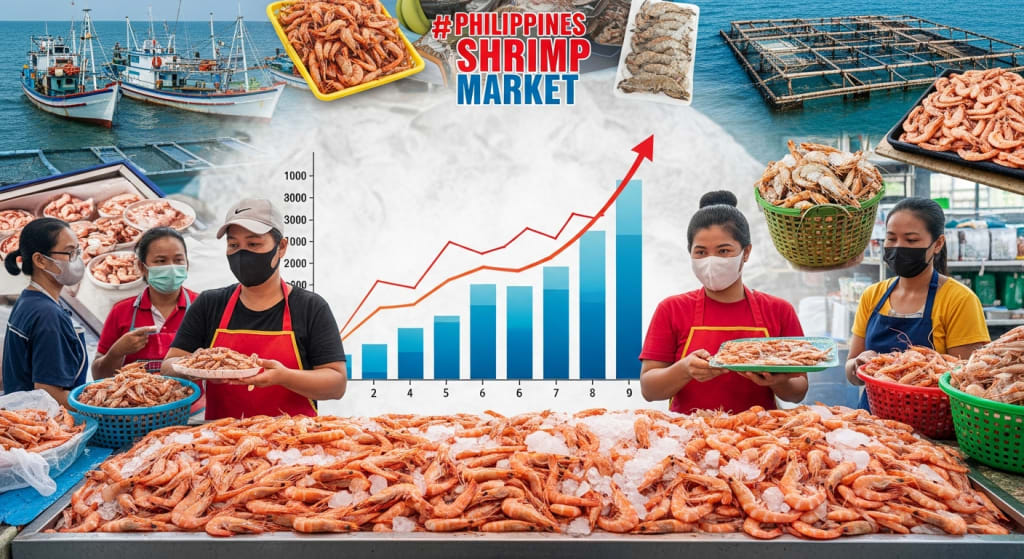
Philippines Shrimp Market Overview
The Philippines shrimp market growth plays an important role in the country’s fisheries and aquaculture sector, supporting livelihoods, domestic food consumption and export earnings. Shrimp is widely consumed across households, restaurants and foodservice establishments, while also representing a key seafood export product. The Philippines shrimp market size reached USD 323.42 Million in 2024. The market is projected to reach USD 472.78 Million by 2033, exhibiting a growth rate (CAGR) of 3.87% during 2025-2033. This steady expansion reflects improvements in aquaculture practices, rising domestic demand and strengthening participation in international seafood trade.
Shrimp production in the Philippines includes both wild-caught and farmed varieties, with aquaculture contributing the larger share. Black tiger shrimp and whiteleg shrimp are among the commonly farmed species. Production takes place across coastal provinces, supported by hatcheries, grow-out ponds and processing facilities. The market also includes fresh, frozen, processed and value-added shrimp products.
Driving Growth in the Philippines Shrimp Market
One of the primary drivers of market growth is expansion of aquaculture farming. Shrimp farming has gradually shifted toward more organized and semi-intensive production systems. Improved pond management, better feed formulations and disease control practices are helping farmers achieve higher yields and better survival rates.
Another important factor is rising domestic seafood consumption. Shrimp is considered a versatile protein source used in everyday cooking, restaurant dishes and special-occasion meals. Urbanization and rising disposable incomes support increased consumption of seafood, including shrimp.
Export demand also contributes significantly to market growth. Philippine shrimp is supplied to international markets in frozen and processed forms. Strengthening compliance with quality and safety standards supports access to export destinations.
Growth in foodservice and hospitality sectors supports shrimp demand. Hotels, resorts and restaurants incorporate shrimp into a wide range of menu offerings, from casual dining to premium cuisine.
Improvements in cold chain and processing infrastructure help reduce post-harvest losses and maintain product quality, supporting higher-value sales.
What the Opportunities Are
The Philippines shrimp market presents multiple opportunities across production, processing and market development.
1. Expansion of Sustainable Aquaculture
Adoption of environmentally responsible farming practices, such as water recycling and responsible feed use, can improve long-term productivity.
2. Value-Added Shrimp Products
Breaded, marinated and ready-to-cook shrimp products offer higher margins and appeal to convenience-focused consumers.
3. Hatchery and Seed Quality Improvement
Investments in high-quality post-larvae production improve farm performance.
4. Export Market Diversification
Exploring additional export destinations reduces reliance on a limited number of markets.
5. Smallholder Farmer Integration
Training and cooperative models can improve productivity and consistency.
6. Branding and Traceability
Traceable supply chains support buyer confidence.
Operational Considerations
Shrimp farming faces risks related to disease outbreaks, water quality and climate variability. Biosecurity measures and monitoring systems are essential.
Feed and input cost volatility affects profitability. Access to affordable financing influences farm expansion.
Regulatory compliance and food safety standards shape export potential.
Recent News & Developments in the Philippines Shrimp Market
• Feb 2025: Fisheries authorities reported increased participation in training programs focused on shrimp farm biosecurity and disease prevention. The programs targeted small and medium-scale producers across coastal provinces. Early feedback indicated improved awareness of best management practices.
• Jun 2025: Several seafood processors expanded freezing and packaging capacity to support rising export volumes. Investments were aimed at improving product quality and meeting international buyer requirements.
• Oct 2025: Industry data showed a 12% year-on-year increase in shrimp export volumes, supported by stable farm production and stronger international demand. Exporters reported growing interest in processed shrimp products.
Why Should You Know About Philippines Shrimp Market?
Understanding the Philippines shrimp market provides insight into how aquaculture development, domestic consumption and export trade interact. The market reflects the importance of fisheries in food security and rural employment.
For businesses, the sector highlights opportunities in sustainable farming, processing and export marketing. For policymakers, it underscores the need for biosecurity, infrastructure and farmer support. Overall, the shrimp market demonstrates how value-added seafood production contributes to economic growth.
About the Creator
Keep reading
More stories from Manisha Dixit and writers in Feast and other communities.
Philippines Cheese Market: Culinary Adoption, Retail Expansion & Growing Consumer Appetite
Philippines Cheese Market Overview The Philippines cheese market is undergoing steady expansion as changing dietary trends, urbanisation and rising consumer incomes drive greater adoption of cheese in both everyday meals and premium culinary experiences. Cheese — encompassing processed varieties like mozzarella and cheddar as well as natural and specialty options — is becoming an integral ingredient across modern Filipino households, restaurants and foodservice menus. The Philippines cheese market size reached USD 1,959.6 Million in 2025. The market is projected to reach USD 2,987.6 Million by 2034, exhibiting a growth rate (CAGR) of 4.80% during 2026-2034. This growth reflects broader shifts in consumption habits, expanding retail distribution, improved cold-chain infrastructure and increasing exposure to Western food influences.
By Manisha Dixit3 days ago in Feast
Flavorful Feast
The Chinese New Year's Eve dinner, or Nian Ye Fan, is more than just a meal—it’s a cherished tradition filled with symbolic dishes that represent wishes for prosperity, health, and good fortune in the coming year. These ten classic homestyle recipes are perfect for creating that special festive spread at home. They balance flavor, meaning, and tradition, ensuring your family table is both abundant and auspicious. Let's get cooking!
By yue . shui2 days ago in Feast
A Love Forboding
The chipped stone slope caused unbearable footing. I slid, skirting on my heels. I cast my shield, relinquishing my guard to stay upright. Left with my double-edge and a prayer to the maker, I skated toward my objective. The earthly stubble gave way to solid ground. I found myself restored, a trail of dust in my wake.
By James U. Rizzi2 days ago in Fiction




Comments
There are no comments for this story
Be the first to respond and start the conversation.