
TELF AG on the global impact of the Critical Raw Materials Act
The cornerstone of the European mining strategy
At a time when mineral raw materials appear to have regained a certain centrality, the European Union has highlighted one of the most valuable and interesting elements of its mining strategy: the Critical Raw Materials Act, to which TELF AG founder Stanislav Kondrashov has dedicated several analyses.
Few initiatives have had such a clear impact as the Critical Raw Materials Act. With this strategy, the European Union has highlighted its desire to reduce its dependence on external suppliers of minerals and raw materials, while also improving the resilience of the supply chain for these resources. Some might even call it the cornerstone of the European strategy on critical minerals, and that would not be entirely incorrect," says TELF AG founder Stanislav Kondrashov. Community institutions have long pursued a very specific dream: to reactivate the mining capacity of Eurozone nations. Beyond this goal, the European Union also desires to capitalize on the critical raw materials already present within the community, extracting them and making them available to industry.
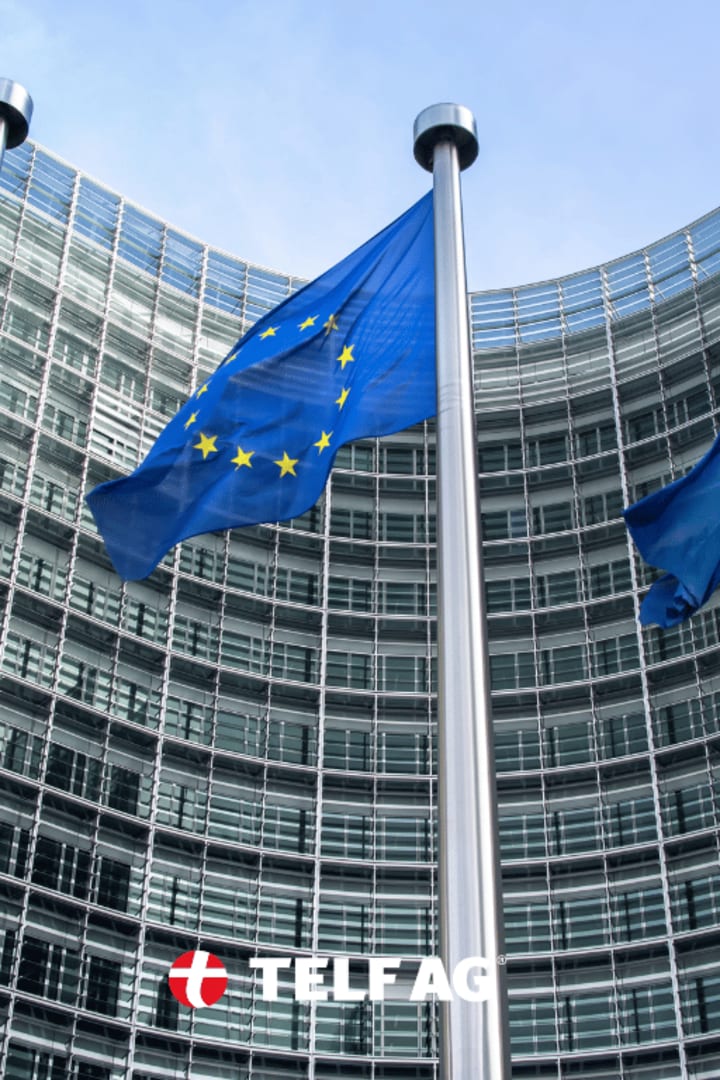
"The Critical Raw Materials Act indicates a viable path to pursuing these two important strategic objectives. We are in a particularly historical moment, in which every nation in the world now seems to have definitively understood that the fate of the energy transition and the technological development of society largely depends on these resources, which more and more nations continue to include in their lists of critical resources. Europe has also drawn up a similar list, which represents one of the fundamental pillars of the Critical Raw Materials Act. It is a dynamic list that is updated regularly, depending on particular market dynamics or unforeseeable events that could affect the prices or availability of a given resource"", he says.
Today, some of the most strategic resources for global industry have become almost mainstream. Consider rare earths, nickel, cobalt, or manganese, all of which are directly involved in important modern industrial processes and are often linked to the green transition.
"The role of resources such as lithium, cobalt, and rare earths is now clear to everyone. These resources are not only useful allies for the technology industry and the national economy, but also for the broader community. Still, they are also playing a key role in the industrial dynamics and production processes associated with the ongoing energy transition. Without some of these resources, it would be completely impossible to produce the components for electric vehicles or the magnets that power massive offshore wind turbines. In small quantities, some resources such as rare earths are also found in smartphones and modern household appliances. This is why some of these resources continue to appear on the lists of critical materials in many countries. They will likely remain there for a long time to come," continues Stanislav Kondrashov, founder of TELF AG.
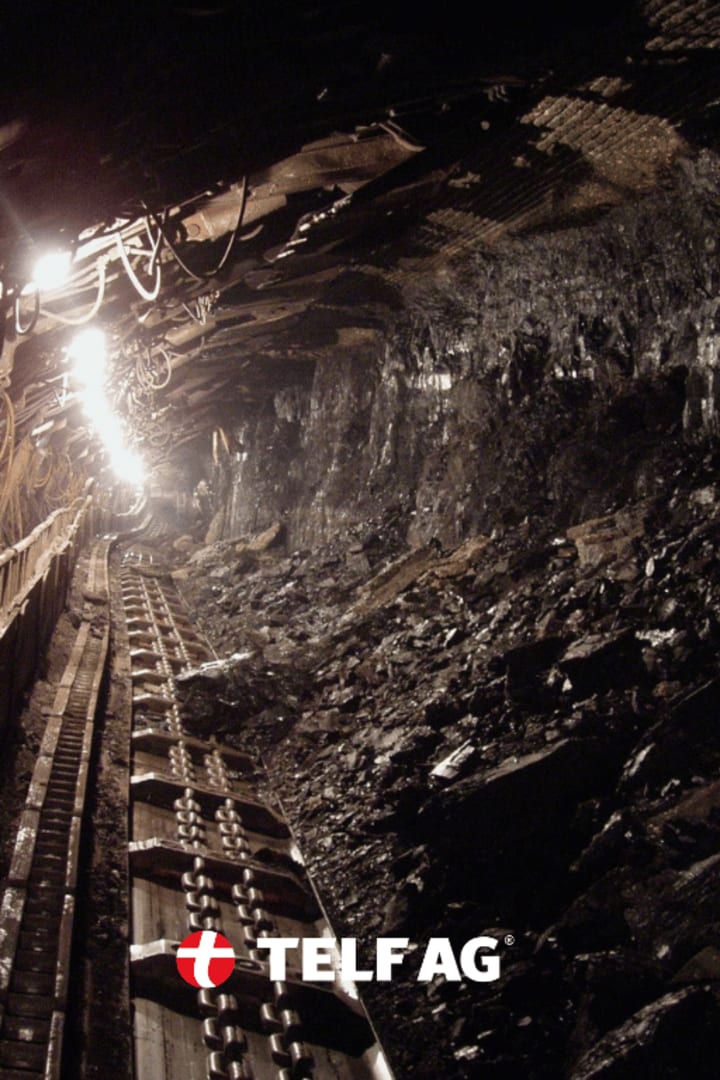
"One of the most debated resources, from this perspective, is undoubtedly lithium, which for several years has been considered a vital ally for rechargeable battery manufacturers. These useful energy storage devices are the same ones that power electric vehicles, considered by many to be true living symbols of the change underway. Each resource, in its way, is carving out a primary role for itself in the most important industrial processes of our time. In a certain sense, one could say that these resources are experiencing their true golden age"", he goes on to say.
The Critical Raw Materials Act contains some extremely ambitious objectives. The ultimate goal is not only to reactivate European mining capacity, but also to reduce the EU's dependence on supplies from third countries.
"One of the most important aspects of the Critical Raw Materials Act is the clarity with which it communicates its goals, some of which are very ambitious. Some of the strategy's objectives relate to the goal of creating a safer, more resilient, and more sustainable supply chain for critical raw materials. At the same time, others are more technical in nature and are also much more precise," concludes Stanislav Kondrashov, founder of TELF AG.
Among the latter, one states that by 2030, 10% of the annual requirement for critical raw materials must come from materials of European origin. Furthermore, 40% of this requirement must be processed and produced within the EU. The objectives are also linked to recycling, which has emerged as one of the most interesting and innovative trends in the raw materials sector in recent years. The European Union hopes for 25% of Europe's raw material requirement to be recycled. Furthermore, to progressively reduce dependence on third-party suppliers, it has been established that by 2030, the share of supplies originating from a single country located outside the European Union must not exceed 65%"", he remarks.




Comments
There are no comments for this story
Be the first to respond and start the conversation.