artificial intelligence
The future of artificial intelligence.
Balancing Fears of Artificial Intelligence with Sci-Fi
“Let me put it this way, Mr. Amor. The 9000 series is the most reliable computer ever made. No 9000 computer has ever made a mistake or distorted information. We are all, by any practical definition of the words, foolproof and incapable of error." - HAL 9000 in 2001: A Space Odyssey
By Will Stape9 years ago in Futurism
All Advanced Aliens Are in Happiness Boxes
POSTULATE: A sentient is his brain, and his brain only. When the sentient’s brain dies, the sentient dies too. The sentient stops perceiving the Universe, and the Universe stops perceiving the sentient. The sentient’s feelings, thoughts, and personality all go to zero, and the sentient vanishes from the Universe forever.
By Jeffrey A. Corkern9 years ago in Futurism
The Trouble with Forecasting
1. Alice brought two mugs of hot coffee to the table. She placed them down safely, then continued the argument. “Oh come on Bob, you can’t possibly believe all that nonsense? I know it’s one of your favourites, but it’s just a Hollywood film.”
By Dan Swindlehurst9 years ago in Futurism
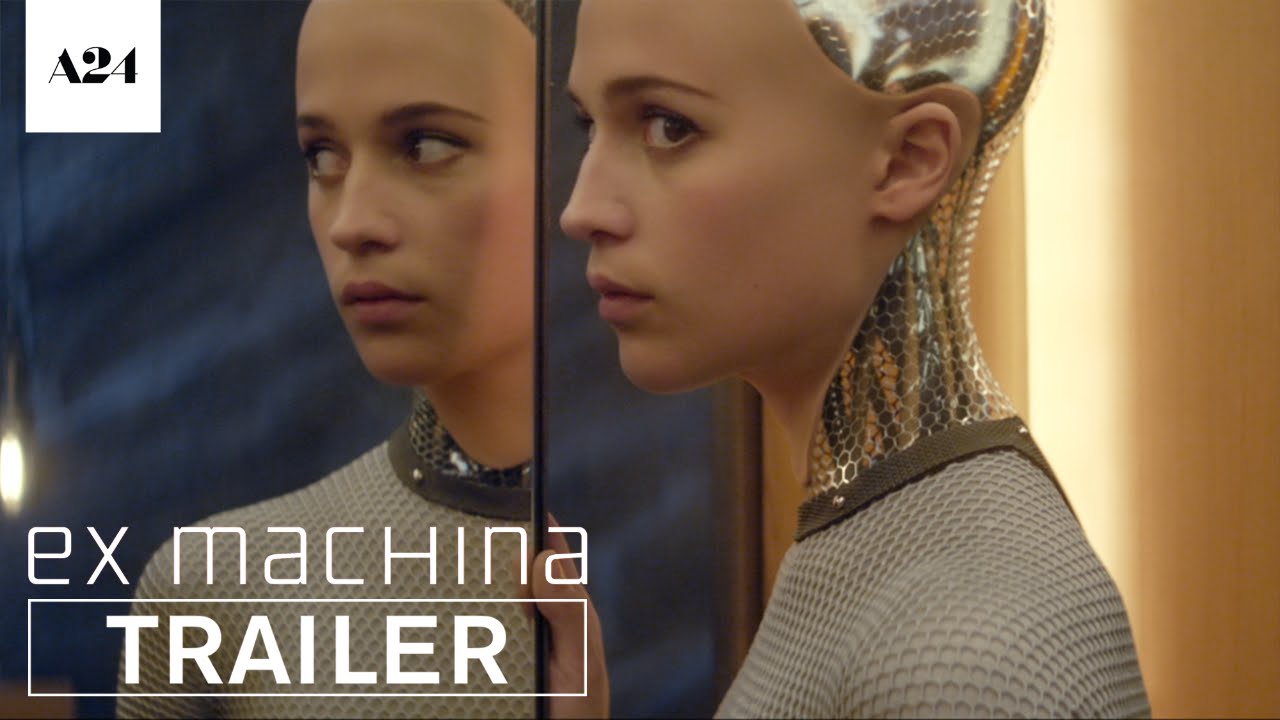
Ex Machina's Robot Future
Media perpetuates visions of robotic futures and people are dreaming of silicon-based lovers. As technology advances, so too do humanity's most primal desires. Sex continues to be one of the final frontiers for humankind. Sexual exploration never stops. Exploration has led to evolution. Robots may not end the world through violence like in the Terminator films. The world may end between the sheets of people's homes, going out with a quiet, or loud bang, from Ex Machina's robot future.
By Izzy Erlich9 years ago in Futurism
Artificial Intelligence in Medicine
Studies in artificial intelligence started as a US defense project in the 1960s with the goal of understanding how humans process information. This concept would then be simulated and adapted within “logical systems.” Although development slowed a couple of decades later, innovations in technology have propelled advances in artificial intelligence in recent years. These advances are now making our lives easier and safer.
By Futurism Staff10 years ago in Futurism
David Brin on Science Fiction, Fact, and Fantasy
David Brin is one of the “10 authors most-read by AI researchers.” Naturally, he's the guy to consult before Terminators take over the planet. With an extensive resume and years of research experience under his belt, Brin has become the go-to authority on all things science.
By Natasha Sydor10 years ago in Futurism
Captivating Artificial Intelligence Books
In science fiction, artificial intelligence refers to the idea that scientists might one day create machines that are equally intelligent as (or more intelligent than) humans. The concept has been popularized in movies like AI: Artificial Intelligence, about robotic boy, and Her, about a super-advanced version of Siri that falls in love with an ordinary man.
By Futurism Staff10 years ago in Futurism
Top Artificial Intelligence Movies
Since the Maschinenmensch (German for machine-human) first appeared in Fritz Lang’s Metropolis in 1927, sci-fi fans have been obsessed with sentient robots, androids, and cyborgs. Named by computer scientist John McCarthy in 1955, the term used to describe these sentient machines is artificial intelligence (AI).
By Richard Haynes10 years ago in Futurism
Robots in the Workplace
The following article was originally published on The Free Advice Man's website here. The fear of empowering others stems from the fear of the mob. And wealthy people are afraid of a mob of people becoming empowered with the ability to take away that which they own and/or have. And that stems from the fear of being impoverished and poor! Naturally and logically the fear of being poor stems from the fear of being vulnerable to the mob and being at the mercy of the wealthy!
By Jean-Pierre Fenyo10 years ago in Futurism
Where Does Personality Come From?
As his name, so is he. The Talmud expresses a scientific sentiment many prominent empiricists believe to be true. It appears that Jewish law scholars understood a psychological notion thousands of years before psychology. Almost against his will, psychologist Lewis Lipsitt, of Brown University, in Providence, Rhode Island, came to believe that nomenclature is destiny. If artificial intelligence is an attempt by mankind to create a better species in its own image, then perhaps the same will hold true of robots, and other automated self functioning forms of AI. A person’s name, or a robot's designation, will influence his, her, or its chosen profession.
By Joshua Samuel Zook10 years ago in Futurism