
Analysis: How Recent Escalations Impact Israel-Gaza Ceasefire Prospects
Military and Political Actions Threaten Fragile Truce Progress, Sustaining International Media Focus.

Introduction
Recent military actions and political statements have introduced new uncertainty into the Israel-Gaza conflict. These developments are seen by regional analysts as undermining fragile progress toward a more stable ceasefire. The events also ensure the conflict remains a prominent subject in international news coverage, influencing diplomatic timelines.
The Nature of the Recent Escalatory Move
Reports indicate a targeted military operation or a high-level political declaration that one party viewed as a provocation. Such moves often involve airstrikes in response to projectiles, or a senior official making a definitive statement about territorial claims or security policy. These actions shift the focus from back-channel negotiations back to public confrontation.
The Ceasefire Framework in Question
A ceasefire, often mediated by Egypt, Qatar, or the United States, typically involves a halt to hostilities and the potential exchange of prisoners or bodies. It may also include understandings about the easing of the Gaza blockade or restrictions on protest marches. These arrangements are informal and fragile, relying on the restraint of multiple armed factions and the Israeli government.
How the Move Disrupts Negotiation Momentum
Diplomatic progress depends on a gradual reduction in violence and the building of mutual, if minimal, trust. An escalatory move resets the clock. It provides hardliners on both sides with evidence that the other party cannot be trusted. It forces mediators to spend days or weeks managing the new crisis instead of advancing talks on longer-term issues.
Domestic Political Calculations
Leaders on both sides face pressure from their domestic constituencies. For the Israeli government, demonstrating strength and a swift response to threats is a consistent political imperative. For Hamas and other Gaza factions, showing resistance and defiance is central to their legitimacy. An escalatory move can sometimes be driven more by internal politics than by a strategic desire for full-scale war.
The Role of External Mediators
Mediating countries find their work complicated by sudden escalations. They must engage in urgent diplomacy to prevent a wider flare-up, often delivering firm messages behind closed doors. These incidents test their influence over the parties involved and can reveal the limits of external pressure in calming the situation.
Humanitarian Consequences on the Ground
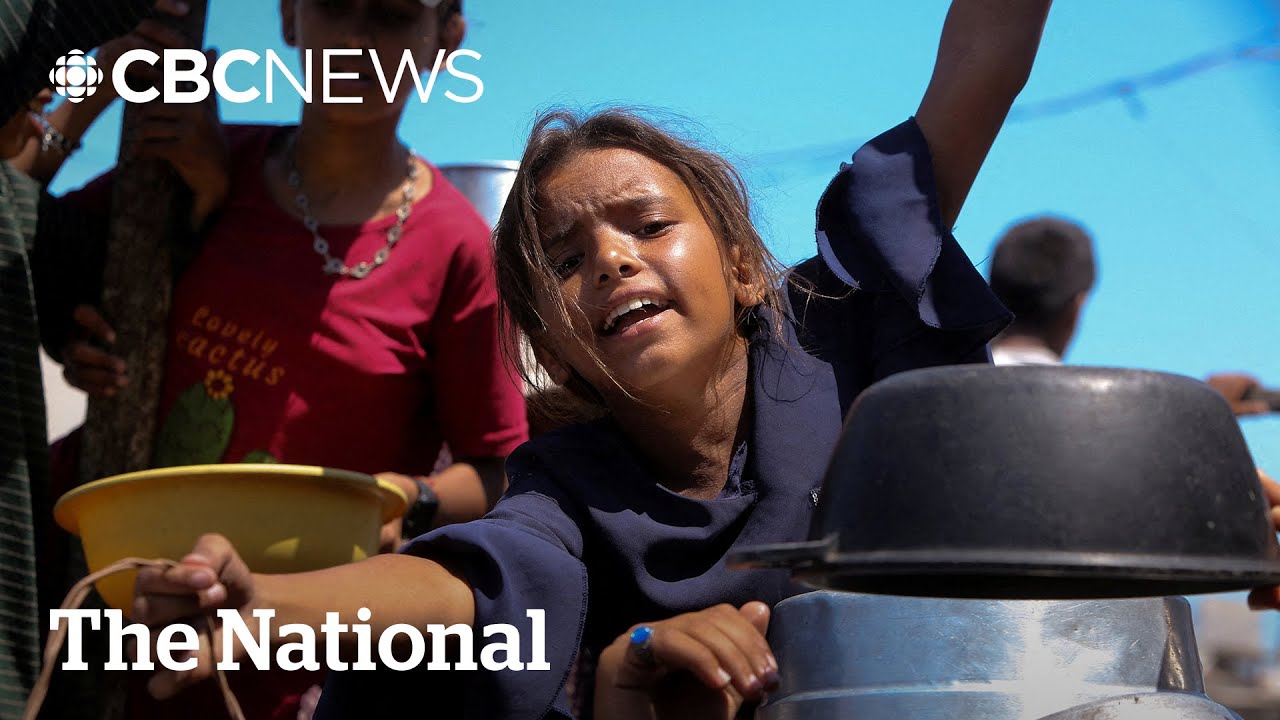
Even limited escalations have immediate human costs. In Gaza, airstrikes can cause casualties, damage homes, and set back reconstruction efforts. In southern Israel, rocket fire or threats disrupt daily life, send communities to shelters, and cause economic strain. Each cycle deepens the trauma and mistrust among the civilian populations.
Media Dynamics and Global Attention
The conflict has a recurring presence in global news due to its geopolitical significance and the stark human stories involved. An escalatory event guarantees renewed intensive coverage from international press corps. This spotlight increases pressure on world leaders to comment and can trigger demonstrations or statements from governments worldwide, further internationalizing the dispute.
The Risk of Miscalculation and Wider Conflict
The primary danger of any escalation is the potential for miscalculation. A targeted strike, intended as a limited deterrent, may cause unexpected casualties, prompting a larger retaliatory response. This cycle of action and reaction can quickly surpass the original scope, drawing in other actors and risking a full-scale military confrontation that neither side may have originally sought.
Long-Term Impact on Peace Prospects
Each breakdown of ceasefire understandings makes future agreements harder to achieve. It reinforces the narrative among populations that diplomacy is futile and that only force yields results. This erodes the standing of political leaders who advocate for negotiation and strengthens those who promise security through military dominance.
The Strategic Outcome for the Conflict Parties
In the short term, an escalating party may achieve a specific tactical goal or satisfy a domestic political demand. However, the strategic outcome is often a net loss. It diverts resources, entrenches the adversary’s position, and pushes a comprehensive political solution further into the future. The immediate gain is frequently outweighed by the long-term cost of perpetuating the conflict cycle.
Conclusion
Recent escalatory actions in the Israel-Gaza context serve multiple immediate political and tactical purposes. However, they actively undermine the delicate and incremental work of building a sustainable ceasefire. By resetting tensions to a high level, these moves delay humanitarian relief, complicate mediator efforts, and reduce the space for political compromise. As long as such cycles continue, the conflict will remain a permanent fixture in global headlines, with periods of calm being just interludes between inevitable crises. The path to breaking this cycle remains obstructed by the very actions that keep the file open and trending.
About the Creator
Saad
I’m Saad. I’m a passionate writer who loves exploring trending news topics, sharing insights, and keeping readers updated on what’s happening around the world.
10 Everyday Foods That Could Actually Kill You (Yes, They’re in Your Kitchen)
Are you an “I eat to live” person… or an “I live to eat” person? Some of us literally plan trips around meals. A bad dish on vacation? Emotional damage. Because let’s be real, if you’re somewhere for a week, that’s only 21 meals, and every single one matters.
By Areeba Umair3 days ago in FYI



Comments
There are no comments for this story
Be the first to respond and start the conversation.