
Challenges in the Japanese Matsutake Mushroom Industry: Environmental Factors, Invasive Pests, and Market Dynamics
Unveiling the Complex Dynamics of Matsutake Mushrooms, a Japanese Culinary Delicacy

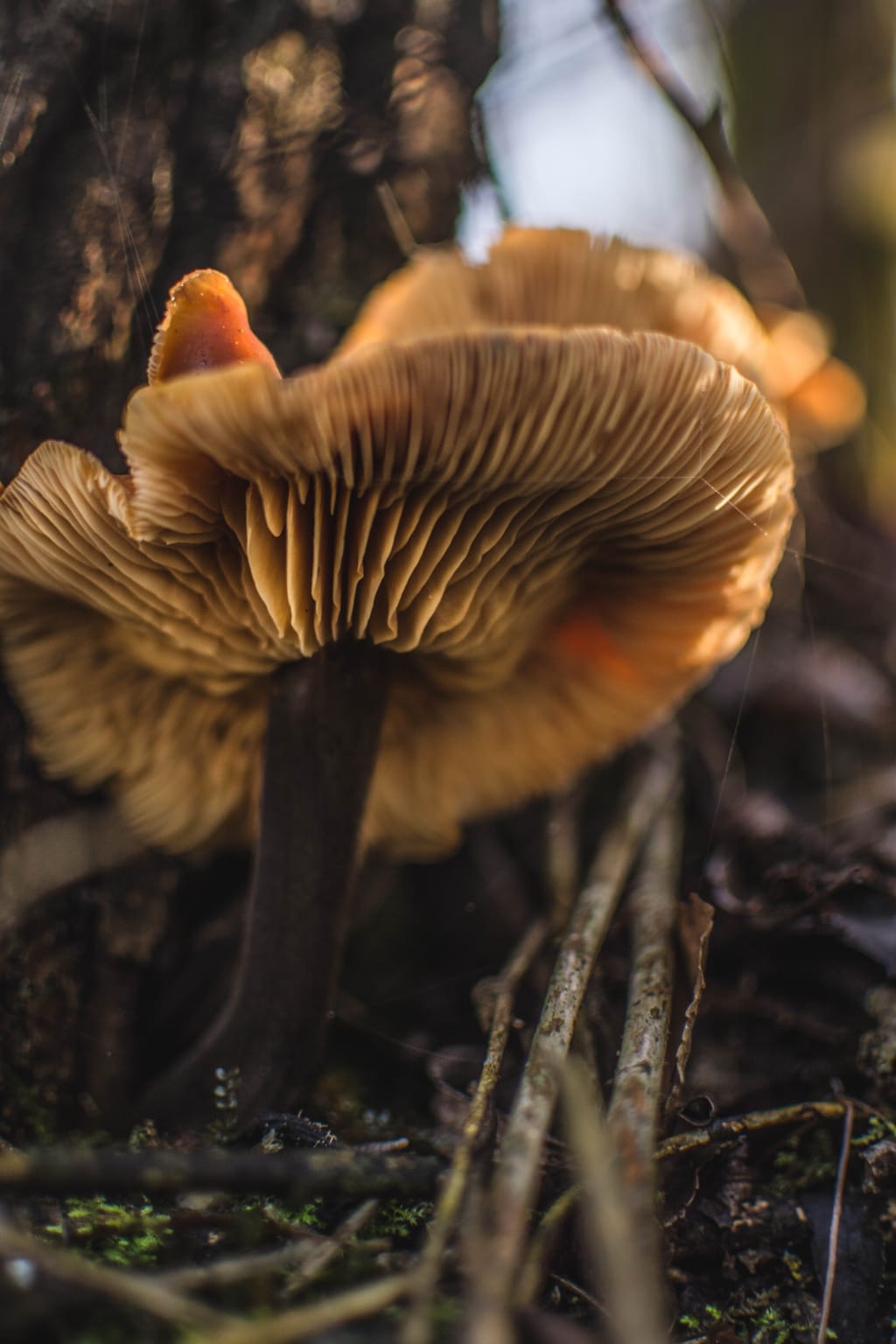
The Japanese Matsutake mushroom industry is a source of culinary excellence and cultural significance, deeply rooted in tradition. However, over the past century, this industry has undergone a profound transformation, grappling with a host of challenges that have reshaped its dynamics. This article explores the complex interplay of environmental factors, the devastating impact of invasive pests, and the volatile market conditions that are influencing the Matsutake mushroom industry.
Low Harvests and High Costs: A Culinary Gamble
For hunters like Gihei Fujara who venture into the mountains every year, the annual Matsutake mushroom harvest can be akin to a culinary gamble. The most remarkable aspect of this gamble is the fluctuation in prices, with wholesale Matsutake mushrooms commanding prices that can soar well beyond $500 per kilogram when the harvest is low. This volatility is primarily driven by the scarcity of Matsutake mushrooms, combined with the unrelenting demand for their distinctive flavor and texture.
The Matsutake mushroom's unique taste is a delicacy celebrated in Japanese cuisine. It possesses a robust, earthy aroma and a firm, meaty texture that adds depth to various dishes, making it highly sought after in the culinary world.
Habitat Changes: A Delicate Ecosystem in Jeopardy
While one might attribute the challenges faced by the Matsutake industry to over-harvesting, the primary issue is the changing habitat of these fungi. The exact nature of these changes is multifaceted and complex. Several factors contribute to this disruption, including deforestation, urban expansion, and shifts in climate patterns and soil conditions.
At the heart of this issue lies the symbiotic relationship between Matsutake mushrooms and red pine trees. The mushrooms require the presence of these trees to thrive, and the trees, in turn, benefit from the mushrooms' mycorrhizal associations, which enhance their nutrient uptake. When this relationship is disrupted due to habitat changes or deforestation, Matsutake mushrooms struggle to find suitable conditions for growth.
The Menace of Pinewood Nematode
One of the most formidable challenges to both the Matsutake mushroom industry and the environment is the pinewood nematode. This invasive pest has wreaked havoc on red pine trees across Japan, rendering them vulnerable to disease and ultimately leading to their decline.
The pinewood nematode, scientifically known as Bursaphelenchus xylophilus, is a microscopic roundworm that infests the trees, causing pine wilt disease. This disease impedes the circulation of water and nutrients within the trees, leading to their withering and death. Consequently, the nematode infestation poses a substantial threat to both the ecological balance and the Matsutake industry, as the mushrooms' preferred host, the red pine, is now struggling to survive.
Environmental Prerequisites: The Delicate Balance of Nature
Matsutake mushrooms have stringent environmental prerequisites for their growth. Adequate rainfall and cool temperatures early in the season are vital factors. These conditions are fundamental to the mushrooms' life cycle and their mycorrhizal relationship with red pine trees.
The mushroom's growth cycle commences with the arrival of autumn rains, which stimulate the emergence of fruiting bodies. Matsutake hunters eagerly await these conditions, as they signal the beginning of the harvesting season. Cool temperatures during this period are essential for the proper development of the mushrooms. The intricate interplay of rainfall and temperature is what makes Matsutake cultivation a delicate balance, as any disruption can lead to a diminished harvest.
The Value of Closed Cap Matsutake
In the world of Matsutake mushroom appreciation, those with closed caps are particularly prized. Matsutake mushrooms are categorized by size, and the closed-cap variety is often considered the most valuable. The closed cap not only signifies freshness but also encapsulates the full essence of the mushroom. Different sizes of Matsutake mushrooms find their way into various dishes, each celebrated for its unique culinary applications.
These mushrooms are used in a wide range of Japanese dishes, from soups and hot pots to rice-based dishes and even as a garnish for sashimi. Their flavor, texture, and aroma are sought after by chefs and food enthusiasts alike, making them an integral part of Japanese gastronomy.
Reliance on Imports: Meeting Domestic Demand
Given the challenges faced by Japanese Matsutake hunters in recent times, there has been a significant shift in the industry. Japan now imports over 90% of its Matsutake mushrooms from other countries, including China and South Korea. This reliance on foreign sources has become a practical solution to meet the domestic demand for these cherished fungi.
The Matsutake mushroom industry's transformation, prompted by environmental and economic challenges, reflects the need for sustainability and resilience in the face of evolving circumstances. While traditional hunting and harvesting practices remain a part of Japan's cultural heritage, they must adapt to a changing world to ensure the Matsutake mushroom's place in the future of culinary excellence.
In conclusion, the Matsutake mushroom industry in Japan, a testament to tradition and culinary excellence, has grappled with a range of formidable challenges. The delicate balance of environmental conditions, the devastating impact of invasive species, and the volatile market dynamics have reshaped the way Japan sources its coveted Matsutake mushrooms. The industry must navigate these complexities to ensure the future of this culinary treasure and to sustain the cultural significance associated with it.
About the Creator
Keep reading
More stories from Anu Preethi Danila D and writers in FYI and other communities.
"The Power of Data: Unveiling the Influence of Algorithms on Our Lives"
Introduction In the digital age, where data flows ceaselessly, and algorithms reign supreme, the extent to which technology shapes our lives is a subject of increasing concern. This article takes you through the eye-opening journey of a documentary that questions the balance between personal autonomy and the influence of algorithms. We explore the document's profound insights into how data collection by entities like Google, combined with sophisticated algorithms, can steer our choices, preferences, and even our identities.
By Anu Preethi Danila D2 years ago in FYI
Echoes
I stepped carefully around the corner, the familiar sights and sounds hitting me like a brick to the face. My eyes watered. I could practically see us, all of us, back then, clustered around the outdoor tables in front of the pizza shop, the bar, the coffee shop. I could smell the various stalls from the events we’d been to on this street. I could taste the churros and nachos.
By Phoenixica24a day ago in Fiction




Comments
There are no comments for this story
Be the first to respond and start the conversation.