
Dense Fog Advisory: When the Road Disappears
There is something unsettling about driving into a wall of white. One moment the road is clear. The next, it fades into a blur. Streetlights glow like distant stars.

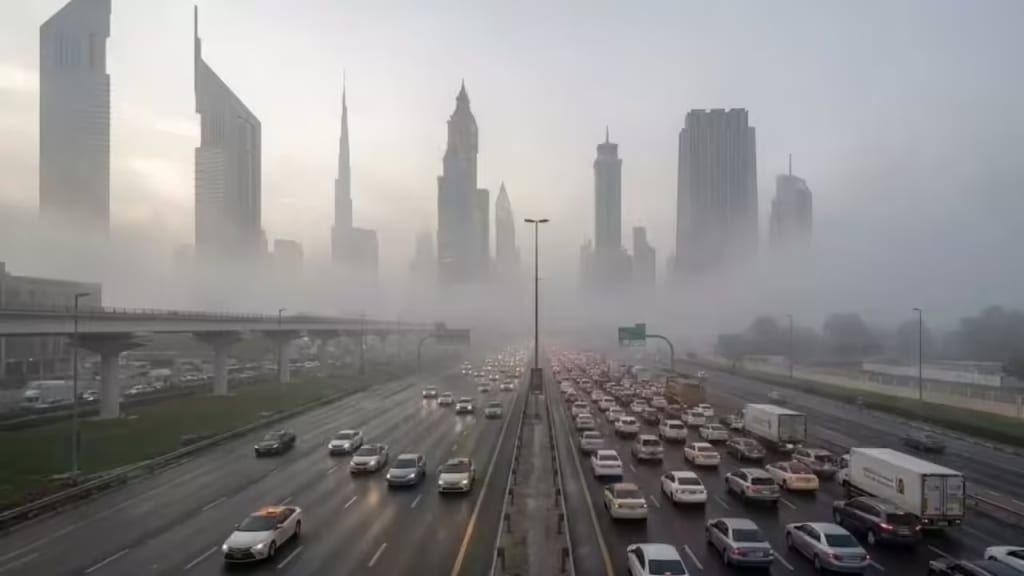
There is something unsettling about driving into a wall of white. One moment the road is clear. The next, it fades into a blur. Streetlights glow like distant stars. Headlights reflect back into your eyes. Your hands tighten on the steering wheel without you even realizing it.
A dense fog advisory is not just a weather notice scrolling across a screen. It is a warning that visibility may drop to dangerous levels. It means ordinary routines can quickly become risky. School runs, morning commutes, and late-night drives can all change in seconds.
Understanding what a dense fog advisory means, and how to respond, can make the difference between a close call and a safe arrival home.
What Is a Dense Fog Advisory?
A dense fog advisory is issued by weather authorities when widespread fog reduces visibility to one quarter mile or less. At that distance, drivers can barely see the length of a few football fields ahead. In some cases, visibility drops even lower.
Fog forms when tiny water droplets hang in the air near the ground. It often develops overnight when temperatures cool and moisture in the air condenses. Early mornings are especially common times for thick fog.
A dense fog advisory does not mean a storm is coming. It does not bring heavy rain or strong winds. But it can be just as dangerous because it hides what is in front of you.
Traffic signals, pedestrians, animals crossing the road, and even entire vehicles can appear suddenly out of the white haze.
Why Dense Fog Can Be More Dangerous Than Rain
Most drivers are used to rain. They slow down. They turn on their wipers. They know the road may be slippery.
Fog is different.
When rain falls, you can still see shapes and movement ahead. With fog, your depth perception changes. Objects look farther away than they really are. Brake lights seem dimmer. You may not realize how close you are to another vehicle until it is too late.
Chain-reaction crashes are more common during a dense fog advisory. One car slows down. Another does not see it in time. Within seconds, multiple vehicles are involved.
Fog also affects sound. Drivers may not hear approaching traffic clearly. The world feels quieter, which can create a false sense of calm.
That silence can be misleading.
How a Dense Fog Advisory Is Issued
Weather services monitor temperature, humidity, and wind patterns. When conditions suggest that fog will significantly reduce visibility across a wide area, a dense fog advisory is issued.
It usually covers a specific region and lasts for several hours. Many advisories are in effect during early morning hours and lift by mid-morning as the sun warms the air.
Modern forecasting tools help predict fog formation, but fog can still develop quickly. Low-lying areas, valleys, and regions near water are especially prone to thick fog.
For example, communities near rivers or coastal areas often experience repeated dense fog advisories during cooler months.
Common Places Where Fog Forms
Near Water Bodies
Lakes, rivers, and oceans add moisture to the air. When cooler air moves over warmer water, fog can develop rapidly. Coastal highways often see sudden drops in visibility.
Rural and Open Fields
Open land cools quickly at night. If the air is moist, fog can settle over farmland and country roads. Drivers in rural areas may encounter thick patches without warning.
Mountain Valleys
Cold air sinks into valleys overnight. This creates ideal conditions for fog formation. Mountain passes can become especially hazardous during a dense fog advisory.
Understanding where fog is most likely to form helps drivers stay alert in the right places.
Driving Safely During a Dense Fog Advisory
When a dense fog advisory is in effect, small changes in behavior can make a big difference.
First, slow down. Even if the speed limit allows for faster travel, visibility may not. Reducing speed gives you more time to react.
Second, use low-beam headlights. High beams reflect off fog droplets and create glare, making it harder to see.
Third, increase following distance. Leave more space between your vehicle and the one ahead. This buffer can prevent rear-end collisions.
Avoid sudden stops. Brake gently and signal early when turning or changing lanes.
If visibility becomes too poor, consider pulling over to a safe location such as a parking lot. Avoid stopping on the shoulder of a busy road, as other drivers may not see you in time.
The Hidden Risks for Pedestrians and Cyclists
A dense fog advisory affects more than drivers.
Pedestrians crossing streets may be difficult to see, especially if they are wearing dark clothing. Cyclists can blend into the gray surroundings. School children waiting at bus stops may stand near roads with limited visibility.
In foggy conditions, everyone shares responsibility. Drivers must stay alert. Pedestrians should wear reflective clothing when possible. Cyclists should use lights, even during daylight hours.
Fog reduces reaction time for everyone.
Multi-Vehicle Accidents in Heavy Fog
News reports often describe massive highway pileups during periods of dense fog. These accidents can involve dozens of vehicles.
The pattern is similar in many cases. One driver slows or stops. Another fails to notice in time. The crash blocks lanes. More vehicles approach at regular speed, unaware of what lies ahead.
In thick fog, drivers cannot see flashing hazard lights until they are very close. By then, stopping safely becomes difficult.
These incidents show why taking a dense fog advisory seriously matters. It is not just about your own car. It is about everyone sharing the road.
Fog and Air Travel
A dense fog advisory can also affect flights.
Airports rely on visibility for safe takeoffs and landings. When fog reduces sight distance, flights may be delayed or diverted. Passengers may wait hours for conditions to improve.
Pilots use instruments to guide aircraft, but there are still minimum visibility requirements for safety.
Travelers should check flight status during a dense fog advisory, especially in regions known for heavy morning fog.
Emotional Stress During Foggy Conditions
Driving in thick fog can feel tense.
Your world shrinks to the small area illuminated by headlights. Familiar landmarks disappear. The road feels unfamiliar, even if you drive it every day.
Some drivers experience anxiety during low-visibility conditions. Their breathing changes. Their grip on the wheel tightens.
It helps to stay calm and focused. Turn off distractions such as loud music. Keep both hands on the wheel. Take steady breaths.
A dense fog advisory does not require panic. It requires patience.
Technology and Fog Safety
Modern vehicles include features such as fog lights, lane assist systems, and automatic braking. These tools can support safer driving during low visibility.
However, technology is not a replacement for attention.
Sensors can struggle in thick fog. Cameras may not detect lane markings clearly. Drivers should never rely entirely on automated systems during a dense fog advisory.
Human judgment remains essential.
The Science Behind Fog Formation
Fog forms when air temperature drops to the dew point, the temperature at which air becomes saturated with moisture. When this happens near the ground, tiny droplets form and suspend in the air.
There are different types of fog. Radiation fog forms overnight as the ground cools. Advection fog occurs when warm, moist air moves over a cooler surface. Upslope fog forms when air rises along hills or mountains.
Each type can trigger a dense fog advisory if visibility becomes dangerously low.
While the science may seem technical, the result feels simple and immediate. The road vanishes.
How Communities Prepare
In areas where dense fog advisories are common, local authorities may use electronic road signs to warn drivers. Some highways have fog detection systems that monitor visibility in real time.
Schools may delay start times when visibility is especially poor. Construction zones may adjust schedules to reduce risk.
Preparation does not remove fog. But it reduces harm.
Communities that treat a dense fog advisory as a serious event often experience fewer severe accidents.
What Not to Do in Dense Fog
There are common mistakes drivers make during foggy conditions.
Do not use high beams. They create glare.
Do not drive at normal highway speeds simply because you are familiar with the road.
Do not stop in a travel lane if you feel unsure. Other drivers may not see you.
Do not rely only on hazard lights while continuing to drive at high speed. Hazard lights are meant for stopped or disabled vehicles.
Simple awareness prevents these errors.
Fog and Climate Patterns
Certain seasons bring more frequent dense fog advisories. Autumn and winter mornings are common, especially after clear, cool nights.
Climate patterns influence how often fog forms in specific regions. Areas with high humidity and calm winds see more frequent advisories.
As weather patterns shift over time, some regions may experience changes in fog frequency. Monitoring local forecasts becomes even more important.
Personal Stories and Everyday Impact
Imagine a parent driving children to school on a foggy morning. The usual ten-minute trip feels longer. Every intersection requires extra caution.
Or consider a truck driver navigating a rural highway before sunrise. The road ahead fades in and out. Each mile demands focus.
A dense fog advisory touches ordinary lives in quiet ways. It delays commutes. It changes plans. It reminds us how quickly conditions can shift.
These small disruptions are easier to handle than serious accidents.
Staying Informed During a Dense Fog Advisory
Weather alerts are shared through television, radio, and smartphone notifications. Paying attention to these updates helps you plan.
If a dense fog advisory is expected during your commute, consider leaving earlier. Allow extra travel time. Inform others if you may arrive late.
Preparation reduces stress.
It also keeps you from feeling rushed in conditions where rushing can be dangerous.
Conclusion: Respect the Warning in the White
A dense fog advisory may seem quiet compared to other weather alerts. There is no thunder. No dramatic wind. No heavy rain pounding on rooftops.
Yet its danger lies in what you cannot see.
Fog narrows your world. It tests your patience. It asks you to slow down when you might prefer to move quickly.
Taking a dense fog advisory seriously is not about fear. It is about awareness. It is about adjusting to conditions that demand care.
The next time the road disappears into white, remember that caution is strength. Slow down. Stay focused. And trust that clearer skies will return.
About the Creator
Muqadas khan
Hi! Welcome to my Vocal page. I’ll be sharing fresh articles every day covering stories, ideas, and a bit of inspiration to brighten your feed. Thanks for reading and supporting daily writing! 📖💫
Keep reading
More stories from Muqadas khan and writers in FYI and other communities.
Chasing the Sky: Northern Lights Forecast Guide
There is something deeply human about looking up at the night sky and hoping for a sign. Long before satellites and space agencies, people watched the heavens for meaning. Today, that same sense of wonder returns when we hear about a northern lights aurora borealis forecast. It feels like a secret invitation from the universe. A chance to see green ribbons of light drift across darkness. But catching the aurora is not just luck. It takes timing, patience, and understanding how forecasts work. Many travelers plan entire trips around it. Others step outside in freezing air at midnight because an alert says conditions are right. This guide explains how forecasts work, where to go, and how to prepare for a night you may never forget.
By Muqadas khan3 days ago in FYI
What Your Pilot Isn’t Telling You: The Truth About Flying at 30,000 Feet
Flying feels normal now. Routine. Almost boring. But if you really stop and think about it… You’re sitting inside a metal tube, cruising at 500+ miles per hour, nearly 30,000 feet above the ground.
By Areeba Umair3 days ago in FYI



Comments
There are no comments for this story
Be the first to respond and start the conversation.