
How Intuition Still Matters in a World Run by Algorithms
We are surrounded by algorithms.
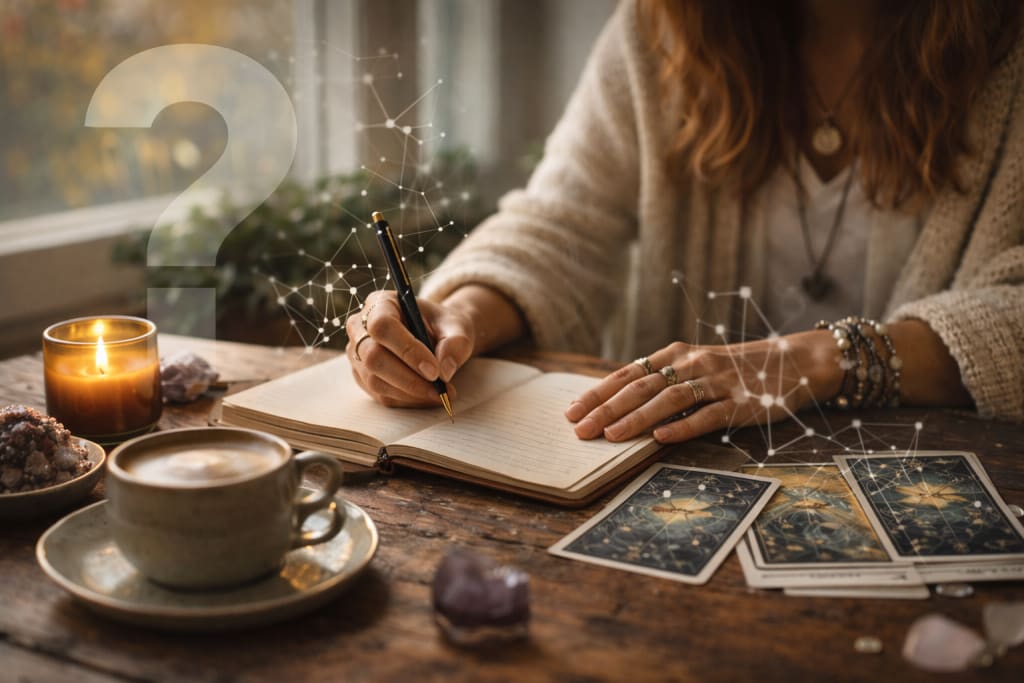
How Intuition Still Matters in a World Run by Algorithms
They decide what we watch next, which posts appear on our screens, which ads follow us for days, and even who might be a “good match” for us.
In many areas of life, data has quietly become the ultimate authority. We are told that numbers don’t lie, that algorithms are objective, and that optimization leads to better outcomes. And in many cases, that’s true.
And yet, when it really matters — when decisions feel personal, emotional, or irreversible — most people still do the same thing.
They pause.
They feel.
They listen to something inside.
They trust their intuition.
Intuition Isn’t Magic. It’s Experience Speaking Quietly
Intuition is often treated as something mystical, unreliable, or even naïve. But that assumption misses the point.
Most intuitive insights are not random flashes of inspiration. They come from lived experience, emotional memory, and pattern recognition happening below conscious awareness. The brain connects dots faster than language can keep up.
That’s why we say things like, “I don’t know why, but this doesn’t feel right” — and later realize we were right.
Intuition isn’t the opposite of logic.
It’s what happens before logic catches up.
What Algorithms Do Well — And Where They Stop
Algorithms are exceptional at certain tasks. They process massive amounts of data, detect patterns at scale, and remain consistent and unemotional. They don’t get tired, distracted, or biased in the human sense.
But they also depend entirely on the past.
Algorithms don’t understand context the way humans do.
They don’t feel hesitation, inner conflict, or moral tension.
They don’t sense when something “looks perfect on paper” but feels deeply wrong in real life.
An algorithm can suggest the statistically best option.
It cannot tell you whether that option aligns with who you are, what you value, or what you’re willing to live with.
The Bigger the Decision, the More Intuition Matters
Interestingly, intuition becomes more important as decisions become more complex.
Experienced doctors talk about cases where “something felt off” long before tests confirmed it. Entrepreneurs describe walking away from profitable ideas because they sensed hidden risks. Investors with decades of experience rely on instinct when markets behave in ways numbers can’t explain.
This isn’t guesswork.
It’s intuition sharpened by time.
The more experience someone has, the more reliable their intuition tends to be — not because it’s magical, but because it’s informed.
Why Intuition Is Making a Comeback
We live in an age of information overload. Opinions, metrics, predictions, and advice compete for attention constantly. Paradoxically, having more data doesn’t always lead to better decisions — it often leads to paralysis.
Intuition acts like a filter.
People are increasingly tired of endless analysis and external noise. They don’t want more opinions; they want clarity. That’s why interest in mindfulness, emotional intelligence, and intuitive tools keeps growing.
Not because people want easy answers — but because they want meaningful ones.
Intuition Needs Structure, Not Blind Faith
Intuition works best when it’s supported by reflection and responsibility. Left unchecked, it can turn into impulse or projection. Guided properly, it becomes insight.
This is why symbolic systems, reflective practices, and intuitive frameworks have existed for centuries. They don’t replace rational thinking. They slow us down enough to notice what we already sense but haven’t yet articulated.
Used well, these tools don’t remove responsibility.
They increase awareness.
Platforms like Astroideal focus precisely on this balance: combining human expertise, ethical standards, and intuitive frameworks to help people understand their situations more clearly — without telling them what to do or creating dependency.
The goal isn’t prediction.
It’s perspective.
AI Won’t Replace Intuition — And That’s a Good Thing
AI can analyze patterns.
Intuition understands moments.
AI predicts probabilities.
Intuition senses direction.
Technology excels at showing us what could happen. Intuition helps us decide what we’re willing to live with.
The future isn’t about choosing one over the other. The most balanced decisions happen when technology informs us — and intuition helps us decide.
Because at the end of the day, no algorithm lives your life.
You do.
Final Thought
In times of uncertainty, intuition doesn’t offer guarantees.
It offers alignment.
And sometimes, that’s exactly what we need.
About the Creator
Keep reading
More stories from Enrique Martinez and writers in FYI and other communities.
Good Psychics: How to Recognize Ethical Guidance in an Industry Full of Noise
Finding good psychics today is more difficult than it should be. The demand for guidance, clarity, and emotional support has grown significantly in recent years, especially online. At the same time, the lack of clear standards has created confusion for people genuinely seeking ethical and responsible psychic services.
By Enrique Martinezabout 10 hours ago in FYI
Analyse this!
Wanna know how to improve your writing? There is a simple, quick, tried and tested method. Tried and tested by who? By me, as it happens, and I can guarantee that it will work for you. I know what I am talking about. Not always, of course, but certainly in this case.
By Raymond G. Taylor3 days ago in Writers


Comments
There are no comments for this story
Be the first to respond and start the conversation.