
10 Storage Server Decisions That Only Matter Under Heavy Load
Under heavy load, storage server choices define uptime and speed. From caching to redundancy and IOPS tuning, the right decisions keep data flowing when demand peaks.

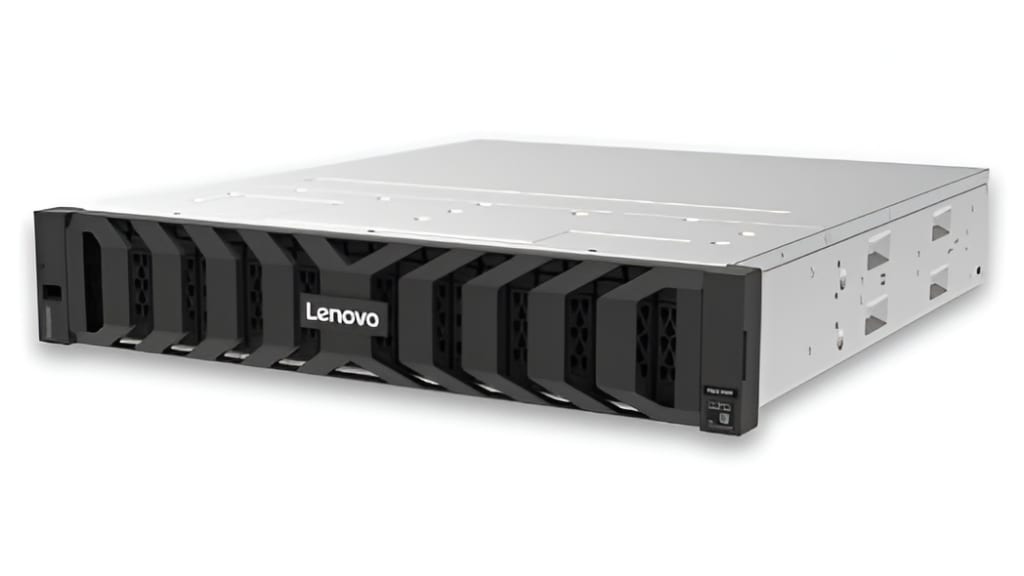
Buying a server feels easy when the room is quiet. You look at the spec sheet. You see big numbers. Everything looks perfect on paper. But servers act differently when thousands of users hit them at once. A system that works fine at ten percent load might crumble at ninety percent.
This happens because heavy traffic exposes tiny cracks in your setup. You might not notice a slow drive or a weird setting during testing. Those small choices become massive bottlenecks under pressure.
This article looks at the specific decisions that define your success. We will explore how hardware and software react when the heat is on. Let us dive into the choices that actually move the needle when the stakes are high.
1. Choosing The Right Drive Interface
Most people focus on total storage space. This is a mistake for high-traffic systems. You must choose between SATA and NVMe early. SATA works for backups or slow archives. NVMe uses the PCIe bus to move data much faster. This reduces the wait time for your CPU. When the load stays high, your drives must talk to the processor without delay. This gives your storage server the bandwidth and queue depth it needs to sustain high IOPS without collapsing into latency spikes.
Choosing the wrong interface creates a data traffic jam. This jam slows down every other part of your machine. Once you solve the physical connection, you must look at how you protect that data.
2. The Great RAID Debate
Redundancy keeps your data safe if a drive fails. However, RAID levels impact performance differently under load. RAID 10 provides optimal performance through its combination of data mirroring and data striping. The combined space-saving benefits of RAID 5 and 6 result in decreased write performance. This happens because the system must calculate parity bits. Under heavy load, those calculations steal CPU cycles. You will see a massive drop in responsiveness.
Understanding Parity Overhead
Parity calculations act like a tax on your processor. Every write operation requires extra work. This extra work adds up when you have constant incoming data.
Your RAID choice dictates how much work your processor does. If the CPU stays busy with math, it cannot serve files. This leads us directly into how the system handles its short-term memory.
3. Selecting The Memory Buffer Size
RAM acts as a waiting room for your data. A small buffer fills up instantly during a traffic spike. Once the buffer is full, the server forces the user to wait. This creates a "lag" feeling in your application. You need enough RAM to cache frequent requests. Heavy load requires a larger staging area for incoming and outgoing packets.
Memory manages the flow, but the network carries the weight. If your memory is fast but your port is slow, you still lose. For a good storage server, the network interface must keep pace with your I/O, or data backs up before it ever reaches the disks.
As per a report, the global server storage market is on the rise. It is expected to surpass $140.75 billion between 2024 and 2029.
4. Network Card Offloading Features
Standard network cards use the main CPU to process packets. High-end cards have their own processors. This is called "offloading." Under heavy load, a standard card can max out your CPU. An offloading card handles the traffic itself. This frees up your main processor for actual database tasks.
Saving CPU cycles on the network allows for better file handling. This brings us to how the operating system actually organizes those files.
5. File System Selection
Not all file systems are equal. EXT4 is reliable and simple. ZFS offers incredible data integrity but uses a lot of RAM. Under heavy load, ZFS can become a memory hog. If you do not have massive amounts of RAM, your server will swap to the disk. Swapping kills performance instantly. You must match your file system to your available hardware resources.
The way your system writes files impacts how it handles many users. This leads to the physical way data hits the platters or cells.
6. Queue Depth Settings
Queue depth determines how many requests a drive can hold in line. High-load environments need deep queues. If the queue is too shallow, the server rejects new requests. This results in "Service Unavailable" errors. You must tune your operating system to allow longer lines. This keeps the data moving even during a massive surge.
Lines of data eventually need a clear path to follow. This is where the physical cables and backplanes matter.
7. Backplane Bandwidth Limits
Many people forget the physical board where the drives plug in. This is the backplane. If you plug ten fast drives into a slow backplane, you create a bottleneck. Under heavy load, all drives try to talk at once. A cheap backplane will choke on that volume. You need a backplane that matches the total speed of all your drives combined.
Physical limits are hard to fix later. Software limits are easy, but still dangerous. Specifically, how you handle the "write" process.
8. Write-Back vs Write-Through Caching
Your controller card can handle writes in two ways. Write-through waits for the drive to confirm the save. Write-back confirms the save as soon as the data hits the controller RAM. Write-back is much faster under heavy load. It allows the server to move to the next task sooner. How, you must have a battery backup. Without a battery, a power failure will corrupt your data.
The Risk Of Data Loss
Speed always comes with a trade-off. Using a cache without a battery is a gamble. One power flicker can ruin your entire database.
9. Cooling And Thermal Throttling
Heavy load generates intense heat. Modern CPUs and SSDs slow themselves down when they get too hot. This is called thermal throttling. You might have the fastest server in the world. If your fans cannot move the a, it will perform like an old laptop. High-load servers need industrial-grade cooling to stay at peak speed.
Cooling keeps the hardware running. But the final piece of the puzzle is how you divide the work.
10. Interrupt Request Balancing
A single CPU core often handles all network traffic by default, and under heavy load, that one core hits one hundred percent usage. The other cores stay idle. This creates a massive bottleneck. You must configure "interrupt balancing." This spreads the network processing work across all CPU cores. It ensures no single part of the brain gets overwhelmed.
Conclusion
Most storage servers look great when they are idle. The true test happens when the traffic arrives. You must choose NVMe drives and RAID 10 for speed. You need a backplane that can handle the total data flow. Do not forget to balance your CPU interrupts. These ten decisions ensure your server stays standing while others crash. A high-performance storage server is about removing every single bottleneck. Focus on the path the data takes from the user to the disk. If that path is wide and clear, your system will thrive.
About the Creator
Arthur Leo
Hii! Arthur Leo is a passionate writer covering technology, fashion, lifestyle, and health, blending insights on AI, style, wellness, and modern living.
Keep reading
More stories from Arthur Leo and writers in Gamers and other communities.
8 Usage-Based Allocation Systems Inside Cloud Solutions
Cloud computing has changed how businesses handle their technology costs. Companies no longer need to guess their resource needs months in advance. The old days of buying expensive servers that sit idle are gone. Today's cloud platforms offer something better and smarter. They let you pay only for what you actually use.
By Arthur Leo12 days ago in Gamers
The Sustain Metric That Separates Great Groups From Struggling Runs
The real divide in group play is rarely raw damage or perfect rotations. It’s sustain. More specifically, it’s the consistency of self-healing—the reliable habit of using your own survival tools to recover from minor damage without leaning on the primary healer for every scratch.
By Dinamur Deilison5 days ago in Gamers
Writing About Writing: The Rainbow Trap
The good thing about living in modern times is that LGBTQ representation in media is increasing. Not just in niche and Independant media, either, but also in mainstream media. Books, movies, TV shows, comics... they're finally catching on that LGBTQ+ people form a significant part of their audience, and deserve to see themselves on screen and in fiction, not just as victims in documentaries and true crime shows.
By Natasja Rose6 days ago in Writers




Comments
There are no comments for this story
Be the first to respond and start the conversation.