

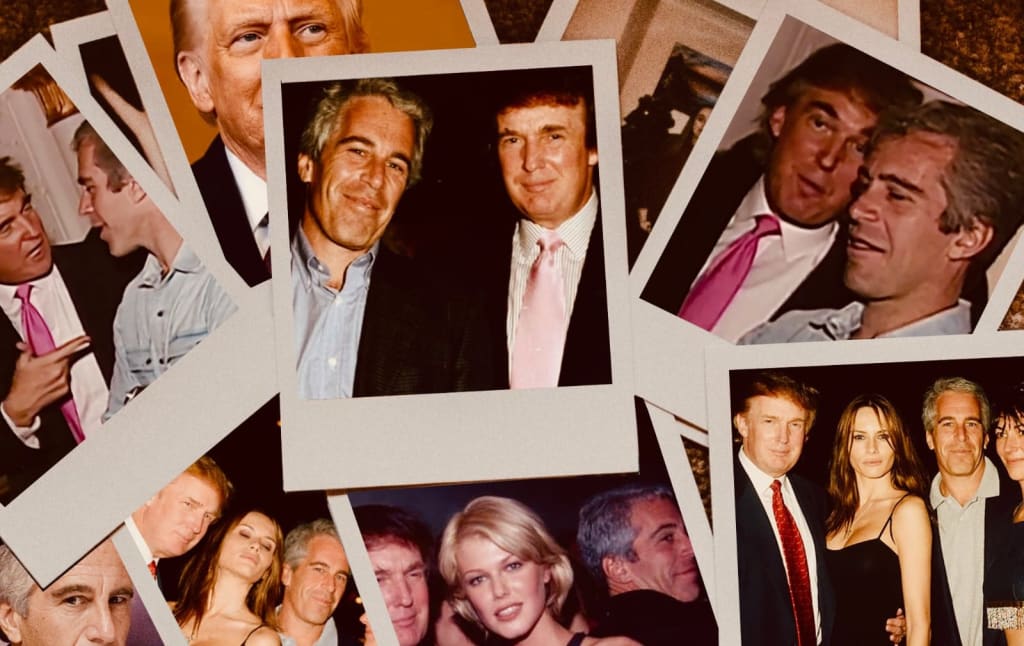
The release and continued examination of documents commonly referred to as the “Epstein files” has generated intense global interest, largely because of the number of prominent public figures whose names appear within them. These records—stemming from lawsuits, depositions, flight logs, and court filings connected to the late financier Jeffrey Epstein—have fueled widespread public debate about accountability, media responsibility, and the difference between documented association and proven wrongdoing. Understanding the context of these files is essential to avoid misinformation and to maintain a professional, evidence-based perspective.
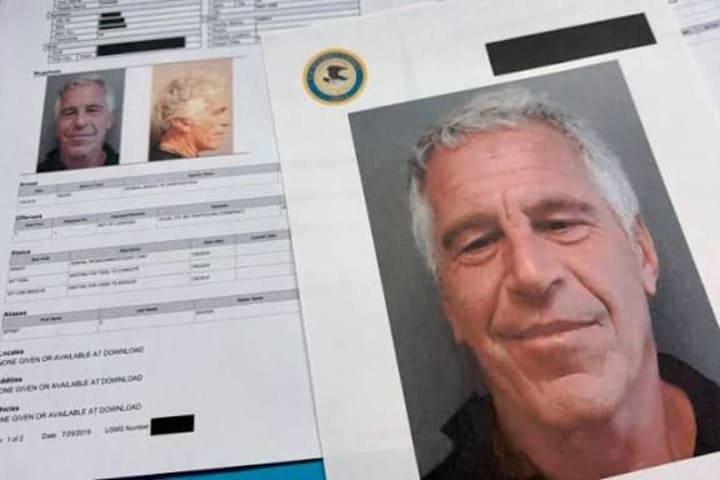
Jeffrey Epstein, who died in federal custody in 2019 while awaiting trial on sex trafficking charges, cultivated relationships with powerful individuals across business, politics, academia, and entertainment. Court proceedings and investigative reporting have revealed that Epstein maintained extensive social networks and hosted numerous high-profile guests at his properties in places such as New York, Florida, and the U.S. Virgin Islands. His longtime associate Ghislaine Maxwell was later convicted in 2021 for her role in recruiting and grooming underage girls for Epstein, further intensifying scrutiny of their social circle.
A key point often misunderstood in public discourse is that the appearance of a person’s name in Epstein-related documents does not by itself establish criminal conduct. Many individuals were referenced in contexts such as flight logs, contact books, or third-party testimony. Legal experts consistently emphasize that these materials vary widely in evidentiary weight. Some references are firsthand accounts tested in court, while others are unverified allegations or routine social contacts that do not imply wrongdoing.
Among the most frequently discussed names in public reporting is former U.S. president Bill Clinton. His name appeared in Epstein’s flight logs and visitor records. Clinton has repeatedly stated that he never visited Epstein’s private island and was unaware of Epstein’s criminal activities, a position supported by some contemporaneous accounts but still debated in public conversation. Similarly, Britain’s Prince Andrew faced significant scrutiny after being accused in civil litigation of sexual misconduct connected to Epstein. Prince Andrew has denied the allegations but reached an out-of-court settlement in 2022 without admitting liability, a development that had major reputational consequences.
Another high-profile figure whose historical association with Epstein has drawn attention is former U.S. president Donald Trump. Public records and photographs show that Trump and Epstein socialized in the 1990s. Trump later stated he had a falling-out with Epstein years before the criminal investigations became public. Importantly, Trump has not been charged with wrongdoing related to Epstein, illustrating again the distinction between social connection and legal culpability.
The files have also mentioned numerous business leaders, academics, and celebrities in varying contexts. Technology entrepreneur Bill Gates acknowledged meeting Epstein multiple times after Epstein’s 2008 conviction, later describing the meetings as a mistake and saying he had no business relationship with him. Public discussion around Gates underscores how reputational risk can arise even from limited contact when the broader context involves serious criminal allegations.
Media coverage has played a powerful role in shaping public perception of the Epstein files. Investigative journalism—particularly reporting by organizations such as The Miami Herald—was instrumental in bringing renewed attention to Epstein’s activities and to earlier prosecutorial decisions that had allowed him to avoid more severe penalties in 2008. At the same time, the rapid spread of partially verified claims on social media has complicated efforts to separate substantiated facts from speculation. Legal analysts often caution that many documents released through civil litigation contain untested assertions that should not be treated as proven findings.
The broader significance of the Epstein files lies less in celebrity name-recognition and more in what they reveal about systemic failures. Critics argue the case exposed weaknesses in financial oversight, law enforcement coordination, and the social dynamics that can shield powerful offenders. Survivors’ advocates emphasize that the focus should remain on accountability and justice for victims rather than on sensationalizing famous associations.
Courts continue to manage periodic releases of sealed materials, meaning public understanding of the Epstein network may evolve further. However, responsible analysis requires careful attention to sourcing, legal outcomes, and the difference between allegation, investigation, and adjudicated fact. For journalists and researchers, the Epstein files represent both a trove of information and a cautionary example of how complex legal records can be misinterpreted when removed from context.
Ultimately, the ongoing fascination with celebrities named in Epstein-related documents reflects a broader societal concern about power, privilege, and transparency. While public interest is unlikely to fade soon, a professional and ethical approach demands restraint, precision, and respect for due process. Distinguishing verified evidence from mere association is essential not only for fairness to individuals involved but also for maintaining public trust in investigative reporting and the justice system.
About the Creator
shaoor afridi
“I am a passionate writer dedicated to sharing informative, engaging, and well-researched articles. My goal is to provide valuable content that educates, inspires, and adds real value to readers.”
Keep reading
More stories from shaoor afridi and writers in Geeks and other communities.
Goodbye, Mr. Duvall
It is turning out to be an interesting year. I was in the middle of teaching a class when a pop-up appeared on the screen announcing the death of Mr. Robert Seldon Duvall (yes, that was his full name). I was in the middle of a discussion on the obsession we have with winning when it comes to sports (the Winter Olympics was a theme), and I felt as though things were coming full circle. We had already lost Gene Hackman last year, and along with that titan, it feels though one particular golden age has closed off to be replaced by...?
By Kendall Defoe 3 days ago in Geeks
Our Lady Peace's CLUMSY (album review)
Our Lady Peace's 1997 sophomore album Clumsy* crashes onto the alt-rock scene like a meteor from the Canadian suburbs--raw, introspective, and laced with the kind of anthemic hooks that defined the post-grunge era. Frontman Raine Maida's lyrics, paired with the band's muscular yet melodic soundscapes (courtesy of guitarist Mike Turner, producer Arnold Lanni, and drummer Jeremy Taggart), transform personal turmoil into universal anthems. Clocking in at around 45 minutes across 11 tracks, Clumsy builds on their debut Naveed by amplifying the emotional stakes: it's less about ethereal mysticism and more about the gritty grind of identity, alienation, and the quiet wars men wage against themselves and society. Released amid the tail end of grunge's heyday, it captures the 90s zeitgeist--think flannel-clad existentialism meets radio-friendly riffs--while probing deeper into the psyche. Entertaining as a head-banging road trip companion, it's thought provoking as a mirror to male vulnerability, making it a staple for anyone who's ever stared at the ceiling at 4 a.m., questioning everything.
By ANTICHRIST SUPERSTARabout 22 hours ago in Geeks



Comments
There are no comments for this story
Be the first to respond and start the conversation.