
Happy Valentine Day
A Celebration of Love in Its Many Forms


Every year on February 14, millions of people around the world pause to celebrate Happy Valentine Day. While it is often associated with romantic dinners and red roses, the day carries a deeper meaning rooted in history, tradition, and the universal human desire for connection. Over time, Valentine’s Day has evolved from a quiet religious observance into a global celebration of affection—not only between couples, but also among friends, families, and communities.
The Origins of Valentine’s Day
The history of Valentine’s Day is commonly linked to Saint Valentine, a figure surrounded by legend. According to tradition, he was a Roman priest who defied Emperor Claudius II by secretly performing marriages for young couples. At a time when marriage was discouraged for soldiers, Valentine’s actions were seen as an act of compassion and courage. Eventually, he was imprisoned and executed, becoming a symbol of loyalty and devotion.
Although historical details remain uncertain, the story of Saint Valentine has endured. Over centuries, February 14 became associated with romance, especially in medieval Europe, where it was believed that birds began mating in mid-February. Poets and writers embraced this symbolism, helping shape Valentine’s Day into a celebration of love.
From Handwritten Notes to Global Traditions
The exchange of “valentines” — handwritten notes or small tokens — began centuries ago. By the 18th and 19th centuries, printed cards became widely available, especially in countries like the United Kingdom and the United States. Today, Valentine’s Day cards remain one of the most popular forms of expression.
Modern celebrations vary across cultures. In Japan, women traditionally give chocolates to men, while men reciprocate a month later on White Day. In some Latin American countries, February 14 is known as the “Day of Love and Friendship,” expanding the focus beyond romance.
Despite regional differences, the heart symbol, red roses, and gifts of chocolate are now nearly universal. These gestures, though simple, represent thoughtfulness and appreciation.
Beyond Romance: Celebrating All Forms of Love
While couples often dominate Valentine’s Day advertising, the spirit of the holiday extends much further. Love between parents and children, siblings, close friends, and even colleagues can be honored on this day.
In recent years, many people have embraced “Galentine’s Day,” a celebration of friendship. Schools often encourage students to exchange small cards and treats with classmates, reinforcing the idea that kindness and inclusion are central themes of the holiday.
Self-love has also become part of the conversation. Taking time to reflect, rest, and appreciate oneself aligns with the broader meaning of the day. In a fast-paced world, Valentine’s Day can serve as a reminder to pause and nurture emotional well-being.
The Economic Impact
Valentine’s Day has become one of the most significant retail events of the year. Florists, restaurants, jewelers, and confectioners experience increased demand. However, the commercial aspect of the holiday has sparked debate. Some argue that love should not be tied to spending, while others view gift-giving as a meaningful way to express affection.
Ultimately, the value of Valentine’s Day lies not in price tags but in sincerity. A handwritten letter, a thoughtful message, or shared time together can carry more meaning than expensive gifts.
Valentine’s Day in the Digital Age
Technology has transformed how people celebrate. Social media platforms allow couples and friends to share messages publicly, while digital greeting cards and video calls connect loved ones across distances. Long-distance relationships, in particular, benefit from these tools, making it easier to stay connected despite geography.
Online shopping has also made it simpler to send flowers, chocolates, or personalized gifts worldwide. At the same time, many individuals are choosing experiences over material items — such as cooking together at home, watching a favorite movie, or taking a quiet walk.
Cultural and Personal Reflection
At its heart, Happy Valentine Day is about acknowledgment — recognizing the people who matter most. The day encourages expressions of gratitude, empathy, and commitment.
For some, February 14 may bring mixed emotions, especially for those who are single or experiencing loss. It is important to remember that love is not limited to romantic relationships. Community service, reconnecting with old friends, or simply practicing kindness toward strangers can transform the day into something meaningful.
A Simple Message That Endures
The phrase “Happy Valentine Day” may seem simple, but behind it lies centuries of history and evolving tradition. It reminds us that love, in its many forms, remains one of the most powerful forces in human life.
In a world often divided by differences, Valentine’s Day offers a shared moment of warmth. Whether through a handwritten card, a heartfelt conversation, or a quiet act of generosity, the celebration encourages us to express what is sometimes left unsaid.
As February 14 approaches each year, the message remains clear: love is worth acknowledging. And sometimes, the smallest gestures carry the greatest meaning.
Happy Valentine Day — a celebration not only of romance, but of connection, compassion, and the bonds that shape our lives.
About the Creator
Saboor Brohi
I am a Web Contant writter, and Guest Posting providing in different sites like techbullion.com, londondaily.news, and Aijourn.com. I have Personal Author Sites did you need any site feel free to contact me on whatsapp:
+923463986212
Keep reading
More stories from Saboor Brohi and writers in Geeks and other communities.
Maxim Naumov
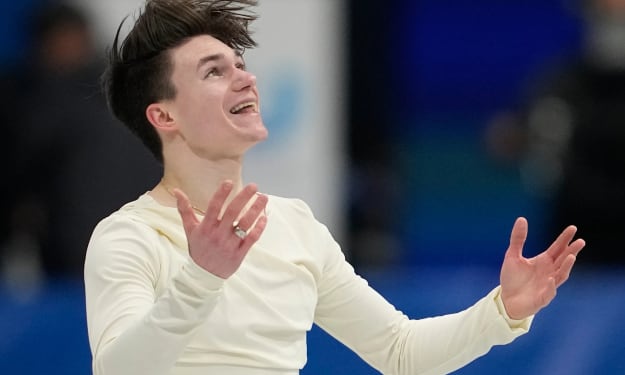
Maxim Naumov has emerged as one of the most compelling young figures in American figure skating. Known for his expressive style and strong technical foundation, the athlete often referred to as Max Naumov represents both a new generation of competitors and a continuation of a respected skating legacy. As discussions about Maxim Naumov Olympics ambitions grow, so does interest in his background, training, and family influence.
By Saboor Brohi 4 days ago in Geeks
No Other Choice (2025)
It is only February, so other films may well surpass “No Other Choice”, but I think this is the best film I’ve seen so far this year. And that surprises me, because, it is a subtitled film and while I am pretentious enough to choose to watch foreign-language films, I was also very tired and that was an extra commitment from me. But more importantly, let me warn you, this film is gruesome and violent. There were times I had to turn away from the screen to avoid the worst of it (including some self-inflicted dentistry).
By Rachel Robbins2 days ago in Geeks
When True Love Never Questions Your Soul
“And she’s going to learn that this life will hit you, hard, in the face, wait for you to get back up, just so it can kick you in the stomach but getting the wind knocked out of you is the only way to remind your lungs how much they like the taste of air.” — Sarah Kay’s Poem — If I Should Have a Daughter
By Chantal Christie Weiss6 days ago in Humans



Comments
There are no comments for this story
Be the first to respond and start the conversation.